


The occult. That which is hidden, concealed, secret. It’s not a word I remember hearing casually. It certainly wasn’t one we shouted. It was whispered when it was dark, when the wind was high or when something weird happened that we couldn’t explain. It was the prickles on our skin when the house was empty. The unexplained shadow that flitted across our path at dusk. It was a feeling of dread, of certainty. It was the unknown, the unknowable, the unnameable.
We’d speak in hushed tones about the occult. We’d talk of witchcraft without really knowing what that meant. We’d think of spells and incantations. We’d think about communion with the dead.
But much that is deemed occult isn’t so mysterious. Some of its roots lie in ancient traditions shaped by the natural world. People watched the stars move across the heavens and the moon change shape in the sky. They planted crops and reared cattle, dependent on the cycle of the seasons. Rain was a balm, water for their crops, but also at times a curse. In plenty they gave thanks; in hardship they pleaded with their gods to turn their fortunes around.
Europe had many forms of paganism. My pre-Christian Scandinavian ancestors would have worshipped gods like Odin, associated with wisdom and war, and Thor, armed with his magical hammer to protect humankind. And there was seductive and beautiful Freyja, associated with love and fertility. Norse magical practices included seiðr, a form of sorcery and divination.
In Britain and Ireland, sacred spaces included groves, rivers and springs. Gaelic festivals such as Samhain and Beltane marked the changing seasons. Roman religion, meanwhile, was woven into everyday life. Jupiter, Minerva and Apollo were main players, with gods watching over everything from the household to the drains. Slavic traditions gave us Perun, a god of thunder, and a rich legacy of folklore, including the famous forest witch Baba Yaga.
As Christianity spread, some older religious practices were suppressed, sometimes violently. Others survived or blended with Christian customs. It wasn’t one seamless retreat into secrecy: conversion took centuries and varied enormously from place to place. Nor was everything later called occult a pagan survival. Christian mysticism and learned traditions of magic also helped shape the hidden arts.
Even the familiar festivals have tangled histories. Yule traditions mingled with Christmas celebrations. Halloween draws on both Gaelic Samhain and Christian observances of the dead. Customs were adapted and meanings changed; the old and new didn’t always keep a respectful distance.
During the early modern witch hunts, religious anxiety and fears of harmful magic could turn suspicion into a death sentence. These were not simply campaigns against surviving paganism. Neighbourly quarrels and personal misfortunes could become accusations of witchcraft, pursued by religious and secular authorities alike. The accused were often imagined to be in league with the Devil.
Estimates suggest around 40,000 to 60,000 people were executed for witchcraft in Europe during the early modern period, roughly the fifteenth to eighteenth centuries. Most were women, though the pattern varied by region. Across the Atlantic, the Salem witch trials of 1692 became another notorious example.
The Enlightenment challenged belief in magic but hardly put an end to it. During the 1800s, the Victorians flipped the script. The occult became fashionable in drawing rooms, though its appeal reached well beyond the upper classes. For many, contact with the dead was a serious hope, not a parlour game.
Modern Spiritualism gained momentum in 1848 when the Fox sisters in New York claimed they could communicate with spirits through strange rapping sounds. It spread to Victorian Britain like wildfire. There were séances and spirit photographs; by the 1890s, commercial Ouija boards offered another way to ask if anyone was there.
Secret esoteric societies flourished too. If you were an intellectual who found church boring, a secret club might beckon. Among the best known was the Hermetic Order of the Golden Dawn, founded in 1888. It blended mysticism, Egyptian-inspired ritual, tarot and astrology into an elaborate system. The poet W B Yeats was a member.
During the twentieth century, new religious movements gave witchcraft another identity. In the 1950s, retired British civil servant Gerald Gardner brought what became known as Wicca to public attention. He claimed to have found a surviving coven of traditional British witches, though its supposed ancient continuity is disputed. Modern Wicca drew together older ideas and newer rituals in a nature-centred religion honouring a goddess and a god. Later, the counterculture of the 60s and 70s embraced astrology and tarot as part of a wider search for alternatives to established religion and conventional life.
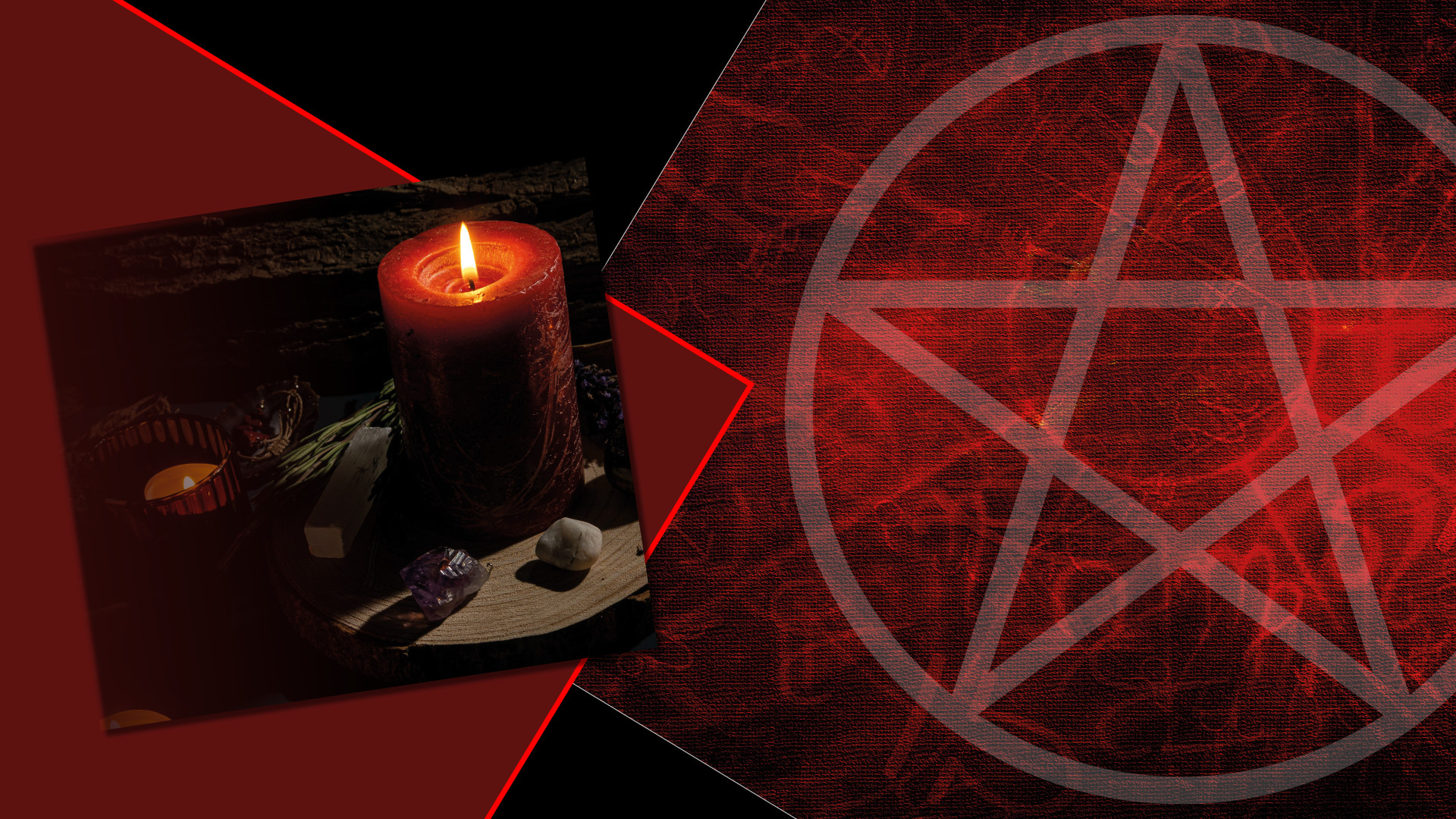
Today, for many, crystals, tarot and astrology are no longer scary or taboo. They are marketed as self-care, mental wellness, and mindfulness tools. You can buy a tarot deck at mainstream bookshops and luxury sage sticks at boutiques. The figure of the witch, once used to demonise women, has also become a symbol of feminist independence and personal power.
Somehow, we’ve travelled from the terror of witch accusations, through séances in Victorian parlours, to wellness trends on Instagram and TikTok, where WitchTok serves up candle spells, manifestation and birth charts.
The wheel has turned; the occult has become democratised, monetised and not so hidden any more.