


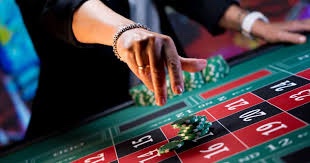

Casino nights attract people who want power, quick decisions and the chance to turn a small bet into a big win. You know what? Whether one walks into a brightly lit lecture hall or connects to a digital desk from home, the basic appeal remains the same: calculated risk and immediate feedback. The environment is under control, but every turn brings uncertainty.
The atmosphere on the casino floor attracts attention. Dealers shuffle cards quickly and confidently. You know what? Digital signals update numbers in seconds. And oh yeah, The chips move in constant motion on the felt surfaces. This constant activity keeps players alert and focused. Like, It also puts pressure on them to think quickly. Like, Anyone who joins the table should understand the mechanics behind the excitement before placing any serious bets.
Online platforms now reproduce this structure with remarkable accuracy. a bunch of players visit sites like royalstiger casino after becoming interested in traditional game formats. And oh yeah, These digital locations mirror table rules, display live stats, and provide continuous access. Convenience broadens participation, but also requires greater self-control on the part of individual players.
You know what? The math behind every bet
All casino games follow strict statistical rules. Like, Designers calculate the odds in advance and incorporate the advantages of the house into every layout. Guess what? This edge gives the operator a sporting advantage over time. Individual players can win tricks, sometimes dramatically, but long-term averages favor the house.
Like, Roulette assigns a fixed multiplier to each number. Blackjack ties outcomes to card combinations and player decisions. Baccarat is based on limited drawing rules. Games of chance operate on a programmed rate of return. These systems represent the limits of potential profits and losses.
The table below shows typical housing edge ranges:
|
Game |
Typical house edge |
|
Roulette |
2.7% – 5.3% |
|
Card game |
0.5% – 2% |
|
A game of chance |
1% – 1.5% |
|
Games of chance |
2% – 10% |
Low percentages can increase playing time if one uses disciplined betting. Higher percentages increase volatility and shorten the life of the fund. You know what? Players who study these numbers before gambling improve their financial exposure awareness.
You know what? Psychological motivations for tension
Casino nights stimulate the brain's reward system. Anticipation stimulates dopamine activity. You know what? This chemical response peaks just before the result appears. The brain reacts strongly to uncertainty. The expected results don't generate the same intensity.
Casinos design games around incomplete information. Guess what? Players commit money before knowing the outcome. A spinning wheel, hidden card or digital reel maintains tension for a bunch of seconds. Seriously, This short delay increases engagement and focuses attention on the outcome.
Social energy adds another layer. Friends gather around tables and talk together. Outsiders celebrate a big win. Shared reactions amplify emotions and increase momentum at the table.
Financial discipline and risk management
Excitement alone should never drive spending decisions... And oh yeah, Responsible players set boundaries before they begin. Seriously, Clear rules reduce reckless behavior and protect personal finances.
Effective risk management includes:
Set a fixed budget for the evening shift.
Determine in advance the maximum acceptable loss.
Separate gambling money from basic living expenses.
Track all bets and payments.
Leave immediately after reaching the preset limit.
These steps require consistency. A strong winning streak can cause someone to raise their bets without thinking. A losing streak can cause someone to chase losses. Both interactions increase vulnerability to damage.
Seriously, Online access removes physical barriers such as confinement. The player can continue for a long time without interruption. In this case, personal discipline is the only guarantee.
The lure of big salaries
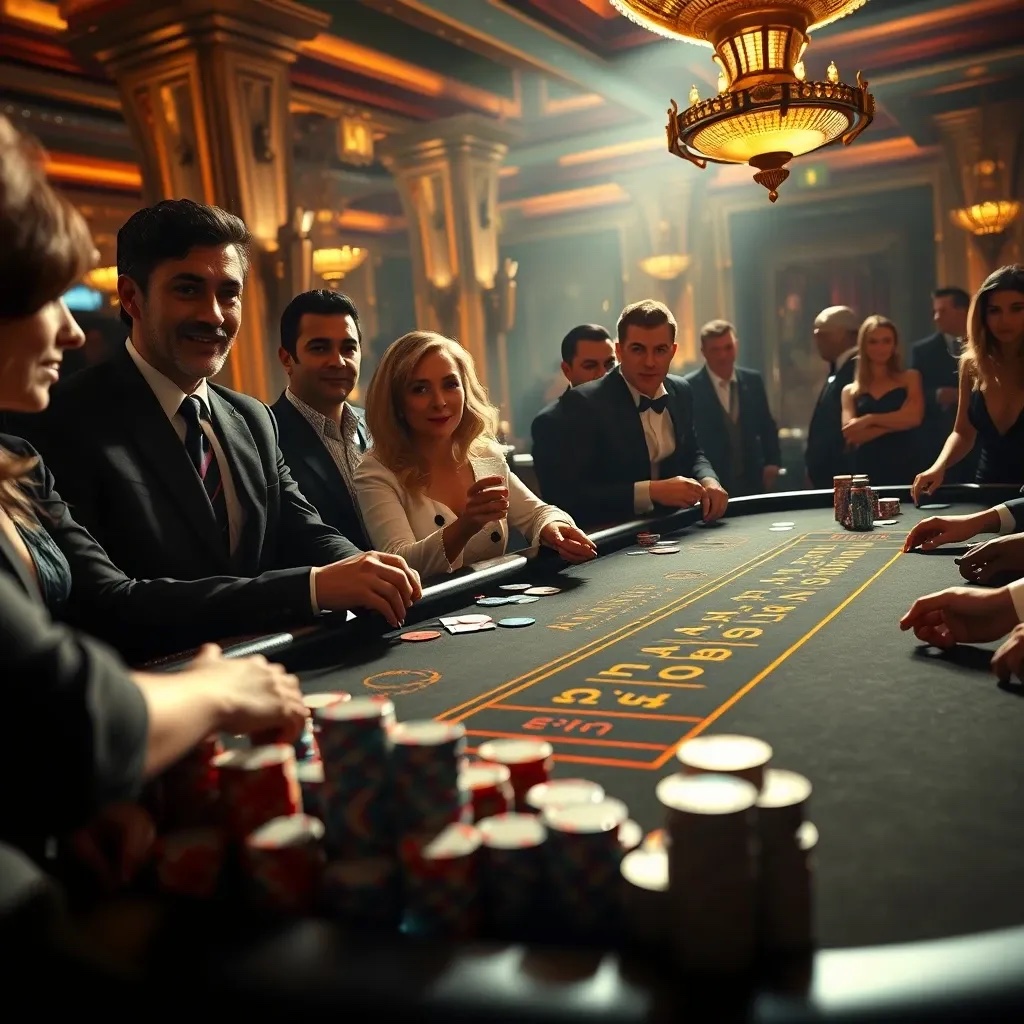
Big wins quickly attract attention. Progressive jackpots reach high numbers and create visible targets. Tables with higher limits promise a bigger prize with each spin. Stories of dramatic victories is widespread and reinforce the belief that similar results are still possible.
But this option presents a starker reality. Jackpots usually come with very low odds. You know what? Players accept this imbalance because the potential reward outweighs the small chance of success in their perception. A single payment can exceed months of income. This option ensures continued commitment despite the risks.
Guess what? Volatile games amplify emotional swings. Slot machines and roulette often result in a sharp transition between winning and losing. Blackjack and poker games offer more strategic choices, that appeal to players who want a greater stake in each outcome. However, the long-term outcome is still determined by mathematics.
Ability versus opportunity
Some casino games allow skill to affect results. Blackjack players can follow certain strategic schemes to reduce the house edge. Poker-style formats reward strong decision-making, risk assessment and monitoring. You know what? These elements provide room for development.
Guess what? However, skill never removes stat limits. During a bunch of sessions, the house edge remains intact. Guess what? Short-term success can create the illusion of mastery. Some positive circles can encourage overconfidence. Guess what? Long-term follow-up gives a more accurate picture of performance.
The standard deviation explains why the results are so volatile. Randomization can accumulate profits or losses in short bursts. Guess what? Each new round resets the probability within the game. Emotional reactions don't change these calculations.
Seriously, Emotional regulation while playing
Casino nights test your emotional control. Fast results encourage immediate feedback. A player who impulsively increases his bet after a win will quickly deplete his bankroll. A player who doubles a bet after a loss risks a bigger drawdown.
Strong emotional management supports better decision-making. Consider these principles:
Stop before changing the bet size.
You know what? Avoid chasing losses under any circumstances.
Like, Lock in the profits by walking away after a big win.
Treat gambling strictly as entertainment.
Seriously, Monitor fatigue and mood throughout the session.
These habits promote stability and prevent escalation. Like, Behavioral research shows that people overestimate recent events. And oh yeah, A winning streak can skew the perception of opportunity. Seriously, A streak of losses can create false expectations of a turnaround. Neither mode changes the mathematical structure of the game.
Regulation and supervision
Government agencies and licensing bodies oversee casinos and digital platforms... Regulators test equipment, check payout rates, and check random number generation systems. They enforce rules that protect consumers and maintain fairness.
Operators must publish basic information about player return prices and table rules. Savvy participants review these details before placing a bet. And oh yeah, Transparency allows players to assess risk levels in different games.
You know what? Balance between reward and exposure
Casino nights combine quick results with measurable risks. Big gains attract attention, but larger structural forces determine overall results. Every bet has a potential profit and a potential loss.
And oh yeah, Players who understand the odds, manage their spending and manage their emotions can enjoy the experience without catastrophic consequences. They accept uncertainty as part of the activity. Avoid unrealistic expectations. Clear boundaries is maintained.
Excitement comes from tension and quick reactions. The risk comes from the same source. Seriously, Anyone entering this environment must understand both sides of the equation and act with discipline in every phase of the game.