


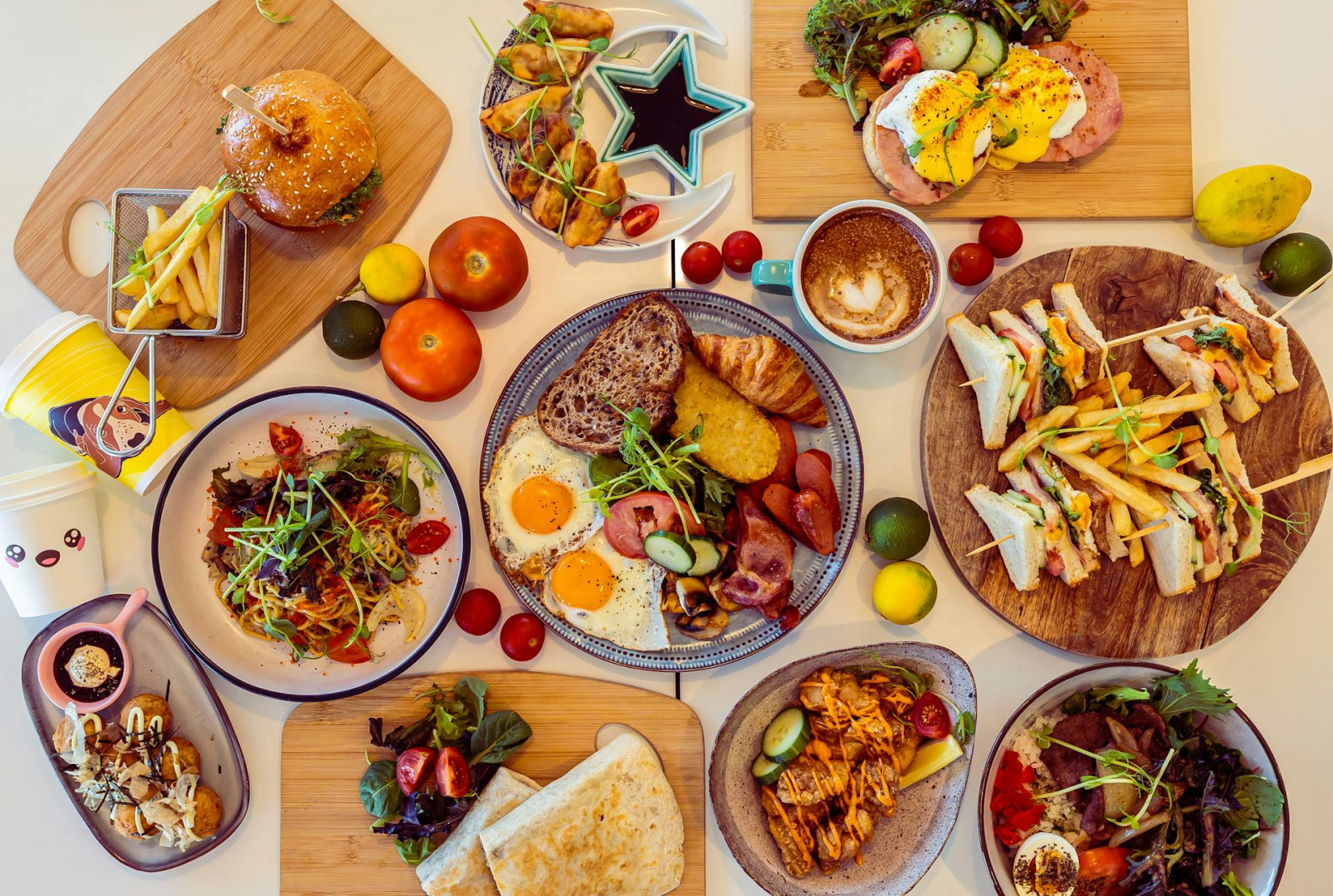

Australia’s food identity cannot be captured by a single dish or dining style. It is shaped by dramatic coastlines, vast rural landscapes, thriving multicultural cities, and some of the oldest food traditions in the world. From elegant waterfront restaurants to roadside bakeries in remote towns, food in Australia reflects both diversity and place.
What makes modern Australian cuisine especially compelling is its balance. It values freshness without overcomplication, innovation without losing authenticity, and comfort without sacrificing quality. Whether someone is visiting for the first time or rediscovering local favorites, Australia offers food experiences that feel memorable because they are tied to lifestyle, culture, and connection.
Coastal Living and the Freshness of the Sea
With an endless coastline surrounding the country, seafood naturally holds a special place in Australian dining. Oysters, prawns, barramundi, lobster, snapper, and tuna appear on menus ranging from casual cafés to award-winning restaurants. In many regions, seafood is not reserved for special occasions. It is part of everyday life.
The appeal often lies in simplicity. Fresh ingredients are treated with respect, allowing natural flavors to lead. A grilled fillet of fish with lemon, herbs, and seasonal vegetables can feel just as satisfying as a complex fine-dining plate. This approach reflects a broader Australian preference for quality ingredients prepared well.
Coastal food experiences also carry a sense of atmosphere. Eating fish and chips near the beach, sharing prawns at a summer gathering, or enjoying dinner with ocean views all add meaning to the meal. In Australia, the setting is often part of the flavor.
Indigenous Knowledge and Native Ingredients
Long before modern restaurants emerged, Aboriginal and Torres Strait Islander communities developed deep food knowledge connected to land, water, and seasonal cycles. These traditions remain one of the most important foundations of Australian food culture.
Today, native ingredients are becoming more visible in contemporary kitchens. Finger lime adds brightness to seafood dishes, wattleseed brings richness to desserts and breads, and lemon myrtle offers fresh citrus notes in sauces or marinades. Native herbs, berries, and proteins are also finding a place on menus across the country.
This renewed focus is meaningful because it goes beyond culinary trends. It recognizes the value of ancient knowledge systems and expands the national understanding of what Australian cuisine truly includes.
Multicultural Cities That Reshaped the National Table
Modern Australia has been strongly influenced by migration, and nowhere is that clearer than in its food. Across cities like Sydney, Melbourne, Brisbane, Perth, and Adelaide, generations of migrants introduced flavors and techniques that became part of everyday Australian life.
Italian espresso bars, Greek bakeries, Vietnamese sandwich shops, Lebanese grills, Chinese restaurants, Indian curries, Thai street food, and Japanese sushi spots are now woven into the national routine. Australians often grow up enjoying foods from many cultures, creating an open and adventurous palate.
As modern lifestyles have become busier, convenience has evolved alongside quality expectations. Many Australians now use services such as Nang Wizard when planning gatherings or entertaining at home, reflecting how food culture continues adapting to contemporary habits.
Café Culture as a Way of Life
Australia’s café scene is one of its most recognizable modern food experiences. Coffee is taken seriously, with skilled baristas, carefully sourced beans, and a strong appreciation for consistency. Cities such as Melbourne and Sydney have helped shape global café standards.
Café culture is about more than coffee. Brunch became a defining part of Australian dining long before it spread internationally. Menus often feature avocado toast, poached eggs, fresh sourdough, grain bowls, pastries, and seasonal produce prepared with creativity and balance.
The atmosphere is equally important. Cafés function as meeting places for friends, professionals, families, and solo diners. They are relaxed spaces where quality feels approachable rather than formal. That combination has become central to modern Australian urban life.
Barbecues, Pubs, and Social Eating
If cafés represent everyday rhythm, barbecues represent community. Across beaches, parks, and backyards, Australians gather around grills for casual meals centered on conversation and shared enjoyment. Sausages, steaks, seafood, salads, and bread rolls often form the foundation of these occasions.
The barbecue remains popular because it suits both climate and culture. Outdoor living is common, and meals are often linked with sport, celebrations, and weekends spent with others. Hospitality tends to feel generous and unforced.
Pubs also continue to play an important role in food culture. Many have evolved into trusted dining venues serving hearty classics such as schnitzels, steaks, roast specials, burgers, and seasonal dishes. They offer comfort, familiarity, and a welcoming sense of place.
Regional Australia and the Spirit of the Outback
Outside the major cities, regional Australia reveals another side of the national food story. Wine regions offer cellar-door tastings paired with thoughtful local menus. Farming communities highlight cheeses, olives, meats, fruit, and produce grown nearby. Small towns often surprise visitors with excellent bakeries and family-run eateries.
The outback brings a more rugged and elemental experience. Cooking over open flames, using practical ingredients, and sharing meals under wide skies creates a sense of connection that feels distinct from city dining. Food in remote areas often reflects resilience, resourcefulness, and respect for the landscape.
These experiences show that Australian cuisine is not limited to polished urban restaurants. It is equally shaped by farms, roadsides, remote communities, and the people who make hospitality possible far from the coast.
Why Australian Food Continues to Evolve
One of the strengths of Australian cuisine is its willingness to grow. Chefs continue blending traditions, diners increasingly value sustainability, and interest in native ingredients keeps expanding. Consumers also care more about where food comes from and how it is produced.
Because of this openness, Australia has built a food culture that feels modern without losing character. It respects heritage while welcoming new ideas, creating a dining scene that remains dynamic and relevant.
Conclusion
The food experiences that define modern Australia are as varied as the country itself. They include seafood enjoyed beside the ocean, vibrant meals shaped by migration, thoughtful café culture, backyard barbecues, regional produce, and the enduring influence of Indigenous knowledge.
From coast to outback, Australia tells its story through food that feels generous, creative, and grounded in place. That is what makes it memorable. It is not one dish or one tradition, but a collection of experiences that together create something uniquely Australian.