

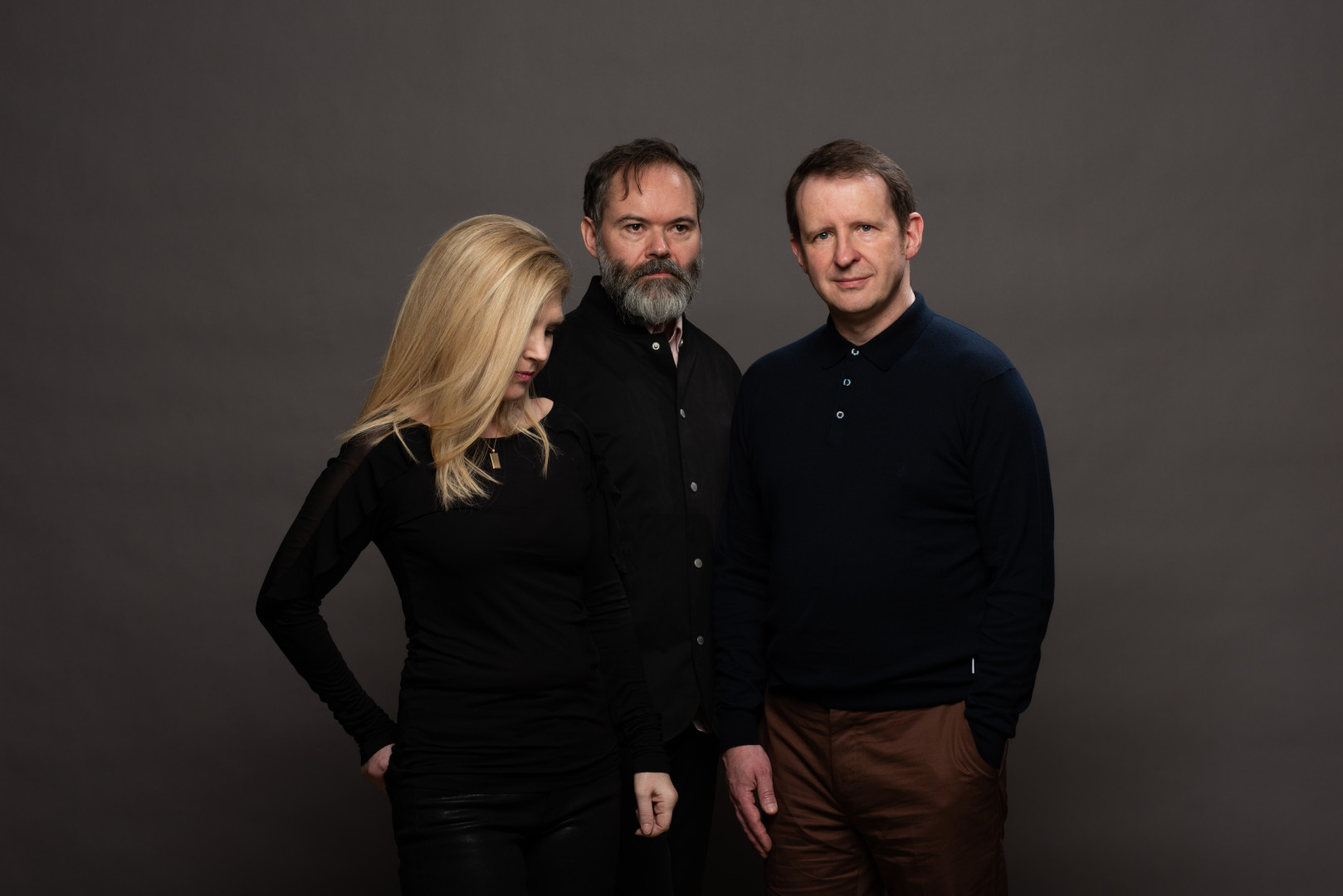

Saint Etienne have been making music now for a solid 36 years, from the release of their debut album Fox Base Alpha in 1991 right up to last year’s critically acclaimed International. However, as Sarah Cracknell tells me when we spoke, next year will be their last together as a band.
Originally based in London, Sarah now lives near Wheatley, so Saint Etienne’s upcoming appearance at Wilderness Festival is a local gig. Speaking of which, she tells me her son’s band, The Parallels have recently played the Bullingdon on the Cowley Road: “they’re young and upcoming but they're really good. If they weren't, I wouldn't mention it, but they are.” Before we even get onto St Etienne and Wilderness I’m interested to know where else Sarah hangs out in Oxfordshire. “I love the centre of Oxford, obviously. Who doesn't? It's beautiful. I love walking along by the river. I like going to the Wittenham Clumps. I like lots of it. I live in a village, and I love villages; all the good pubs.”
And how do the people in the village feel about having a pop star in their midst?
I've been here for 20 years, but I do remember when I first came here I was up at the village church to look at the flowers, I think it was Easter or something. I was with my friend, pushing my son around in a in a stroller, and this woman came over to me said, ‘Oh, are you new in the village?’. And I said yes, my name is Sarah, and I explained where I live. She looked me up and down, screwed up her face and said, ‘Oh, I thought a pop star lived there.’
Ouch. Moving swiftly on, what have St Etienne got planned for Wilderness?
We'll be playing all the hits, and it's going to be like a party atmosphere. Very up tempo.
Is there anyone you're looking forward to seeing there?
I'd love to see Scissor Sisters, they're so brilliant. We were going to play with them in Brighton but there was a massive snowstorm. We managed to get there – it took hours – but we got there, and they were there, and then the gig got cancelled because of the health and safety of people trying to get to it.
We were sat in the dressing room talking to them for ages, and they've become quite pally with us, which is really nice.
What do you enjoy about playing festivals?
I love playing festivals. I like being able to go and see lots of different bands that I haven't seen before. It's like a little taster of different bands, because you're only really seeing them for an hour. I like the variation of all the bands that you get to see. It's fun.
With such an extensive back catalogue and – as you’ve just mentioned – a limited time on stage, how do you decide on your setlist?
More often than not, especially with tours, we're normally going out playing lots of songs from a new album, but because this is our sort of farewell tour we're just going to play all the crowd pleasers. We're going to play all the singles and the stuff that the fans like, so it’s going to be really good fun.
I think people like Cher and Elton John have made the phrase ‘farewell tour’ a little bit meaningless. Is this really it?
Definitely. We've got a British tour in September, then, I think we're going to Australia and New Zealand and we'll probably (depending on tariffs and Trump) do a bit of America. Hopefully we'll do some European dates, and some more festivals next year, and then that's it.
Not because we don't like hanging out with each other – we hang out with each other a lot – but I just really want the band to finish on our own terms and on a high. The current album’s done really well; it's a really upbeat pop dance album, and I just didn't want to be one of those bands that sort of fizzle out.
What has been your most memorable performance?
There's a few, obviously, but I think the first time we played Glastonbury was pretty mind blowing, and it was a real career high point.
We had a really fraught day. Our bass player had gone AWOL, so we nearly didn't make it in time: we got there about half an hour before we had to go on stage. Luckily, all the gear and the crew had gone ahead. But, as far as the actual band was concerned, we got there late. I was in this kind of minibus putting makeup on and trying to get [changed].
I didn't have a chance to get really nervous, which was quite good. There weren't that many stages then, so we were playing on the Pyramid Stage to like 30,000 people. That was extraordinary for us. I just sort of launched onto the stage and was greeted with a sea of people. So that was really memorable and very special.
I think all the anxiety of losing our bass player took the fear out of the actual show, so that was a good thing. If I'd been peeking out at the crowd building up I would have got really nervous.
What has inspired you – individually and as a band – to create music?
Well, Tiger Bay, our third album, was like, what happens if we blend folk music and techno? We come up with these slightly harebrained schemes, and then just try it and do it. We're very lucky, we've had a pool of great people – producers and engineers and musicians – we can work with, because we're not super proficient musicians ourselves. We just gather like-minded people who are good at translating our ideas and don't think we're mad.
The band came together in the early 90s. How do you feel about the current nostalgia for that decade?
There are some much younger people are coming round to our music, so it's really quite nice for us. Suddenly we're trending again, which is great.
Have you hung on to any of your clothes?
I've got a box in the loft, although I keep giving things away. I've got lots of stage outfits and things I've worn in videos: a nostalgia clothes box with things that I've owned since the 90s.
What do you see as the significant changes in the music industry since then?
I think it's changed the way it was meant to. I like the fact that people can make their own music at home without too much trouble. I think that's really good and really creative. I'm not keen on when people go, ‘Oh, music's not like it was,’ you know?
There's lots of stuff around at the moment that I really like. I love the use of drum and bass. I like beats. I love that there's lots of really powerful female artists – I'm particularly fond of Lola Young – there was a lot less of that in the 90s,
Is there anything you think you'd do differently if you were starting out now?
No, not really. We didn't have a master plan or anything. It was all quite organic. We just did things if and when we felt like them. Because we've always been on indie labels we’ve never been under any pressure to recreate a hit or make an album because the label wants you to.
We only ever did things when we wanted to and when we felt the time was right. And we can just dip into any genre of music that we like. I think that's why everything we've done is very eclectic, depending on the album and depending on how we were feeling. That gave us a lot of freedom, I think, to change, to keep changing, to keep moving forward.
And is that the secret of the longevity?
I think you can't define what we sound like. People try and pigeonhole us as they always have done, but every album is very different to the ones either side of it.
I think the longevity is also down to the fact that we get on really well, so we’ve never been that band that goes on tour and fall out [because we’d been] living on a bus for a year. We’re just really good friends, and we love working together. We've never had falling out. We've never don't have cross words. Sounds really nauseating, but actually it's the truth.
Wilderness Festival – also known as ‘Poshstock’ – promises Michelin-starred long table dining experiences, boutique glamping, intellectual talks and, of course, great music. This year’s headliners include The Last Dinner Party as well as Carl Cox and Scissor Sisters. Taking place at Cornbury Park, Oxfordshire (30 July until 2 August) expect banging tunes, fabulous feasts and a focus on wellbeing. wildernessfestival.com