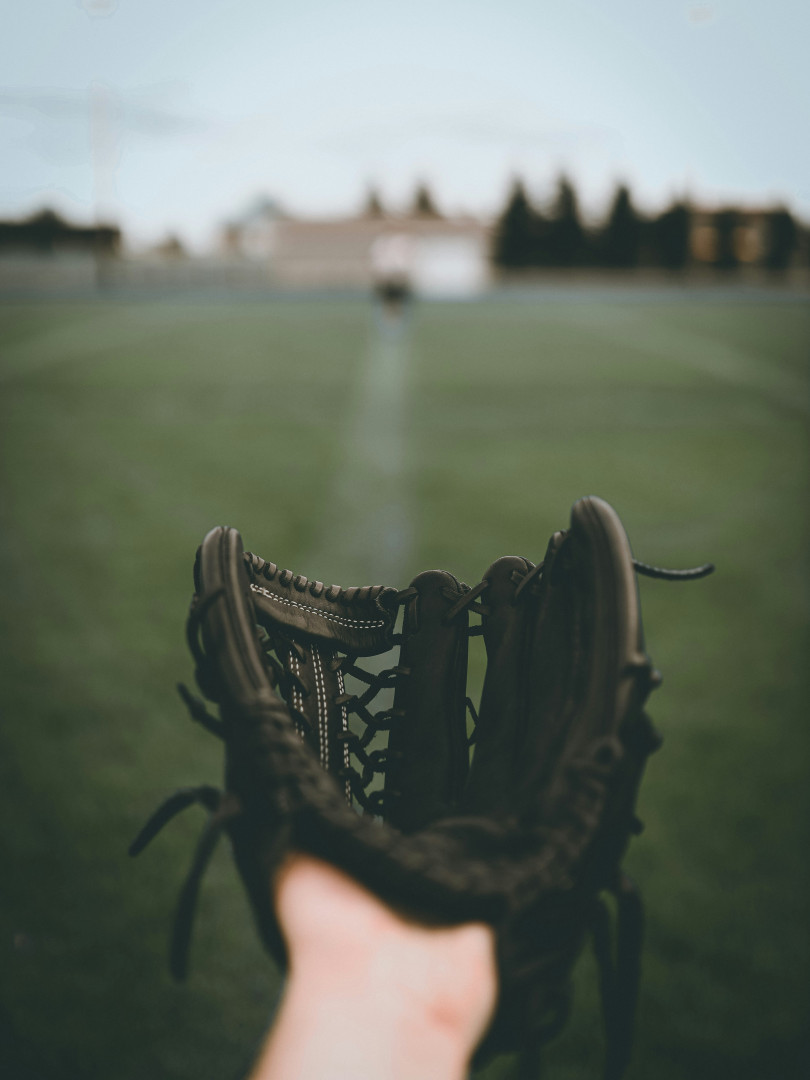

Local softball teams function as more than recreational groups. They operate as structured social systems that connect individuals, reinforce shared identity, and support community engagement. Through organized play, consistent interaction, and collective goals, these teams create environments that strengthen relationships and local networks.
Community-building is not incidental. It is a direct result of how teams are structured and maintained.
Shared Identity Through Team Structure
A strong community begins with a clear group identity. Local softball teams establish this through naming, visual branding, and consistent participation.
Uniforms play a central role in reinforcing identity. Items such as custom softball jerseys provide a standardized appearance that distinguishes team members and promotes cohesion. Consistent design elements—colors, logos, and numbering—create a recognizable presence both on and off the field.
This shared identity encourages accountability. Players represent the team collectively, which influences behavior and participation.
Regular Interaction and Social Continuity
Softball teams operate on fixed schedules. Practices, games, and events create repeated interaction among members.
This consistency builds familiarity and trust. Participants develop relationships through shared experiences rather than isolated encounters.
Structured interaction supports:
- Ongoing communication between members
- Development of informal support networks
- Increased participation through routine engagement
Regular contact strengthens connections and reduces social fragmentation.
Role Definition and Team Coordination
Each player has a defined role within the team. Positions, responsibilities, and expectations are clearly established.
This structure improves coordination and creates interdependence. Players rely on each other to achieve collective goals, reinforcing teamwork.
Role clarity also extends beyond gameplay. Team members may take on responsibilities related to organization, communication, or logistics.
Defined roles create stability and improve group function.
Intergenerational and Cross-Group Engagement
Local softball teams often include participants from different age groups and backgrounds. This diversity expands community connections.
Interaction across demographics supports knowledge sharing and mentorship. Experienced players guide newer participants, while younger members contribute energy and adaptability.
Cross-group engagement increases inclusivity and broadens the team’s social reach.
Community Visibility and Public Engagement
Softball teams operate in public spaces, making them visible to the broader community. Games and events attract spectators, creating opportunities for interaction.
Visibility supports:
- Local recognition of teams and players
- Opportunities for community involvement
- Increased interest in participation
Public engagement extends the impact of the team beyond its members.
Event Participation and Local Integration
Teams often participate in local tournaments, charity events, and community programs. These activities integrate the team into the wider community structure.
Participation strengthens connections with local organizations, businesses, and residents. It also reinforces the team’s role as a community contributor.
Event-based engagement creates additional touchpoints for interaction and collaboration.
Communication Systems and Coordination
Effective communication is essential for maintaining team operations. Teams use structured communication methods to coordinate schedules, share updates, and manage participation.
This may include digital platforms, messaging groups, or scheduled meetings. Clear communication ensures that all members remain informed and engaged.
Efficient coordination reduces misunderstandings and supports consistent participation.
Reinforcement Through Shared Goals
Softball teams operate around collective objectives. These may include winning games, improving performance, or maintaining participation levels.
Shared goals align individual efforts with group outcomes. This alignment strengthens commitment and encourages collaboration.
Achievement of goals reinforces group cohesion and motivates continued involvement.
Preservation of Team History and Experiences
Community strength is reinforced by preserving shared experiences. Teams document games, events, and milestones to maintain continuity over time.
Archiving methods include structured formats such as photo books, which compile images and records into organized collections. These materials provide a tangible record of team history and participation.
Preservation supports long-term identity and allows members to reflect on collective achievements.
Long-Term Impact on Local Communities
Local softball teams contribute to broader community stability. They provide consistent social structures that support interaction, collaboration, and engagement.
Long-term impacts include:
- Strengthened social networks among residents
- Increased participation in local activities
- Development of community identity through shared experiences
These effects extend beyond the team itself, influencing the wider community environment.
Local softball teams build strong communities through structured interaction, shared identity, and consistent engagement. Defined roles, regular communication, and public visibility create stable social systems that connect individuals. By preserving experiences and maintaining participation over time, these teams contribute to long-term community cohesion and resilience.