


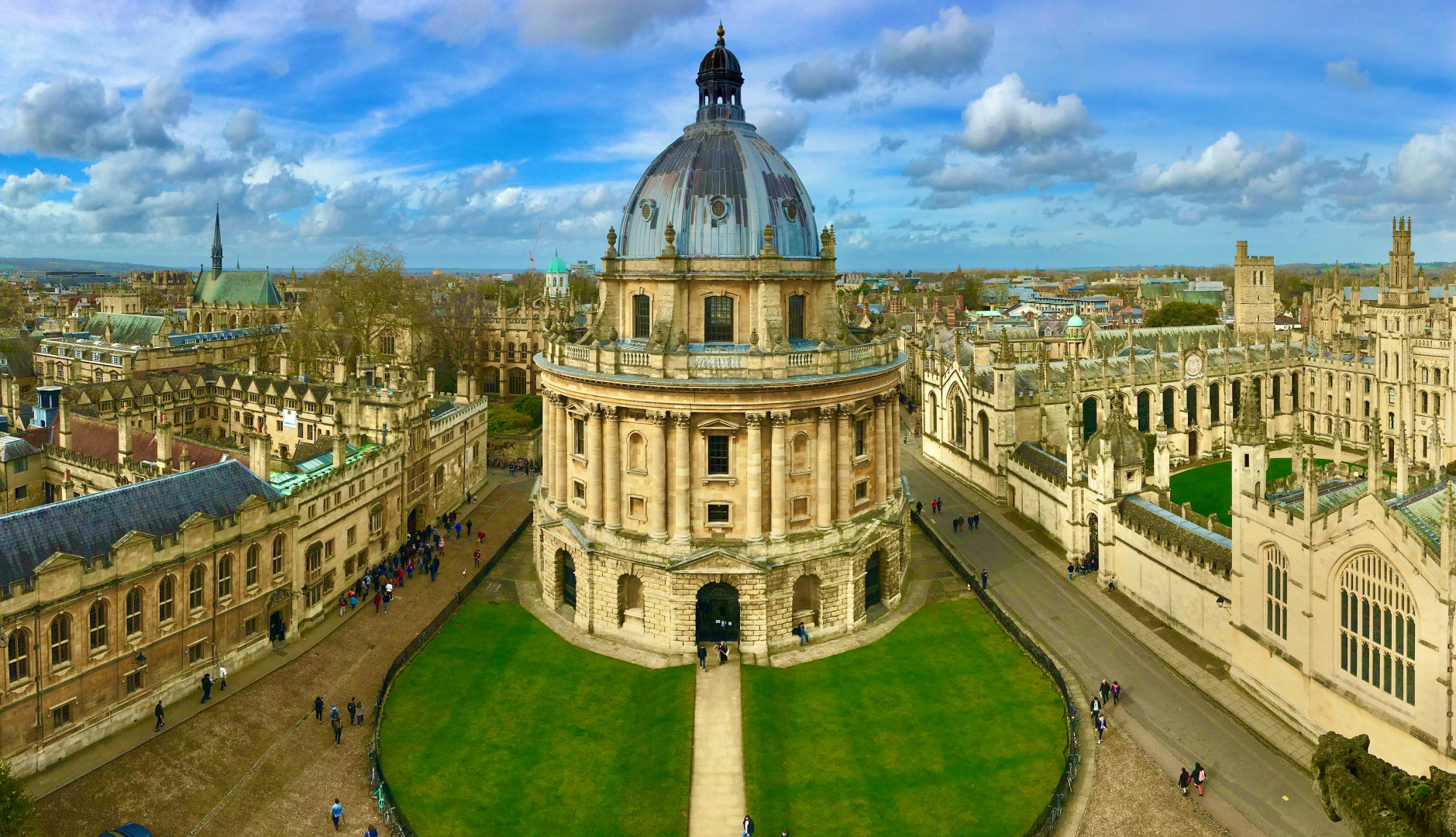

Oxford has always had a packed social calendar, from black-tie college dinners to open-air theatre in the Botanic Garden. But how locals actually find out about these events, and how they fill their leisure time between them, looks almost nothing like it did a decade ago. The shift is quieter than a revolution, but it's just as significant.
From Notice Boards To Instagram Events
Not long ago, discovering what was on in Oxford meant scanning a noticeboard in a college lodge, flipping through a printed listings magazine, or relying on word of mouth over a pint at the Turf Tavern.
Those channels haven't vanished entirely, but they've been overtaken. Instagram event invites, Facebook groups for residents, and dedicated apps like Eventbrite have become the main way people learn about everything from chamber music evenings to food markets along the covered market.
UK exhibitions attracted 7.2 million visitors and 132,000 exhibitors in 2024, with 1,145 events generating £5.1 billion in direct spending, underlining just how commercially significant the events sector has become, and how digital discovery has scaled that reach. Oxford sits comfortably inside that ecosystem, hosting conferences, cultural festivals, and hybrid academic events that draw national and international audiences alongside local regulars.
Where “Town and Gown” Meet Through Sport
Oxford has always carried a quiet divide between “Town” and “Gown,” but sport is where that line disappears into something far more social. Events like the Oxford Half Marathon don’t just draw runners; they shut down streets, pull crowds into the city centre, and turn a scheduled race into a shared experience. Uni students, long-time residents, and visitors all line the same routes, creating a rare moment where the usual boundaries feel irrelevant.
That same crossover shows up in revived traditions. Fixtures like the renewed golf matches between university clubs and local counterparts aren’t just competitive; they’re staged as public occasions, drawing attention well beyond the participants themselves. What might once have been private or insular is now part of a wider social calendar, giving both sides a reason to show up, watch, and take part in the atmosphere.
Even beyond physical attendance, engagement has widened. Fans follow fixtures, discuss outcomes, and increasingly interact with sport in digital spaces, some choosing to read on Gambling Insider to track odds, insights, and betting markets tied to football, rowing, or major events. It’s another layer of interaction that sits alongside the live experience, reinforcing the idea that in Oxford, sport isn’t just something you watch, it’s something that changes how people connect.
Despite a cancellation in 2026, during Bumps racing in Eights Week and Torpids, the Isis becomes less about rowing results and more about presence. College barges fill with spectators, picnics spill onto the banks, and the event turns into a statement of social belonging as much as sporting performance. It’s tradition, status, and spectacle rolled into one, and it pulls in people from both sides of the divide.
Why Locals Now Plan Nights Out Differently
Planning a night out used to mean picking up a phone or wandering past a venue to check the board. Now, it means checking an app at 11 pm while still in bed. Digital tools have changed not just discovery but the entire pace of social planning, shorter notice, faster decision-making, and a lot more options competing for attention at once.
Oxford City Council's own research reflects this. 75% of Oxford residents used online council services in 2024, up from 68% the previous year, pointing to a broader habit of turning to digital platforms first, whether for administrative tasks or finding out what's happening at the weekend.
Academic institutions like the Blavatnik School of Government have embraced this too, with conferences like SOC25 offering Zoom-streamed sessions alongside in-person attendance, making events accessible to Oxfordians who might otherwise miss out.
What This Means For Oxford's Social Scene
Oxford's social fabric remains remarkably strong; the city's combination of academic life, tourism, and a genuinely engaged local community means footfall rarely dries up. But the mode of engagement is changing fast. Organisers who understand digital-first audiences are thriving; those still relying solely on printed programmes are quietly struggling.
For Oxford locals, the net result is arguably positive. Access to social and cultural life has widened. You no longer need to be plugged into the right college networks or know the right people to find out what's on. The city's social calendar is more visible than ever; it's just moved from the noticeboard to the notification bar. That's a trade most people seem willing to make.