


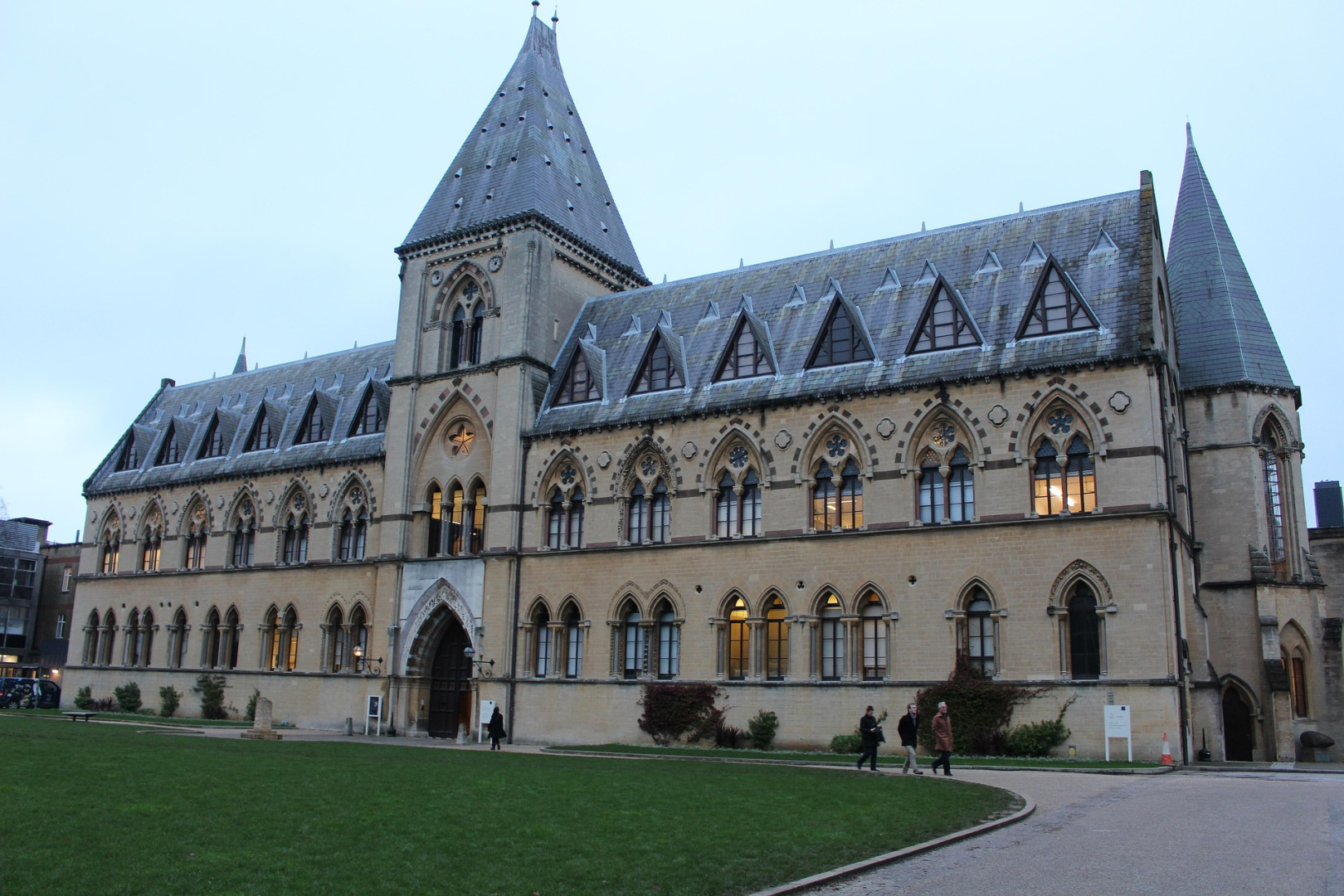

Oxford students have quietly withdrawn from social media platforms, and campus communities show a noticeable shift in how young people interact online. Dining halls and libraries reveal students who scroll through feeds but contribute little original content to their own profiles.
The pressure to create perfect posts has reached a breaking point where students choose silence over potential embarrassment. Each piece of content carries expectations for substantial engagement, which creates anxiety instead of excitement about personal sharing. Oxford's competitive academic atmosphere makes these concerns worse, as students find themselves surrounded by peers who achieve remarkable success across multiple areas.
Privacy has become a major concern for university students who understand that their digital presence follows them long after graduation. They actively seek platforms and services that require minimal personal verification, much like individuals who might choose non-Gamstop casinos for entertainment options that demand less extensive identity documentation.
Non-Gamstop casinos operate outside the UK's self-exclusion database, which means they don't require the same level of personal verification and monitoring that traditional UK-licensed gambling sites must implement. These platforms attract users who prefer greater privacy and fewer restrictions on their gaming activities, similar to how students gravitate toward digital spaces that offer anonymity and reduced oversight (source: gamblingsitesnotongamstopuk.com). Students value spaces where professors, family members, and future employers cannot easily monitor their activities.
The permanent nature of digital records weighs heavily on student minds. Posts from university years surface decades later in job interviews and personal relationships. Students have learned to calculate potential future consequences before they click "share" on anything controversial or personal.
Private messaging has replaced public posting for most Oxford students. They share authentic thoughts and experiences through direct messages, closed groups, and invitation-only spaces that allow genuine communication without performance anxiety. These intimate digital conversations provide the connection students seek without the judgment they fear from broader audiences.
Academic culture at Oxford adds another layer of complexity to social media decisions. Students know their online presence reflects not just on themselves but on the institution they represent. Faculty members and university administrators may monitor student activity, which creates additional self-censorship beyond normal social pressures.
The phenomenon goes deeper than temporary social media fatigue. Oxford students approach digital platforms with strategic calculation rather than spontaneous expression. They prioritise meaningful connections over broad reach and value authentic experiences more than curated content that might impress strangers.
Students say they enjoy parties and events more when they don't worry about taking photos or videos for their accounts. Academic celebrations, social meetups, and personal wins feel better when they just happen naturally without the constant thought of "how will this look online?"
Many admit they used to spend half their time at events thinking about captions and camera angles instead of actually talking to people or paying attention to what was happening around them.
Many students have discovered that their most meaningful connections happen away from public platforms. Close friendships develop through private conversations rather than public exchanges, and romantic relationships flourish without constant social media validation. The pressure to perform happiness and success online often conflicts with authentic emotional experiences.
This retreat from public sharing represents a sophisticated understanding of digital privacy and personal branding among Oxford students. They recognise that online presence shapes professional opportunities and personal relationships in ways previous generations never had to consider.
Oxford students have developed careful judgment about what parts of their lives belong in public spaces compared to personal moments. Universities might want to rethink how they approach digital literacy education and online presence guidance. Students now put privacy, genuine connection, and control over their personal stories ahead of wide social media reach, which points to permanent shifts in how academic communities will use these platforms.