

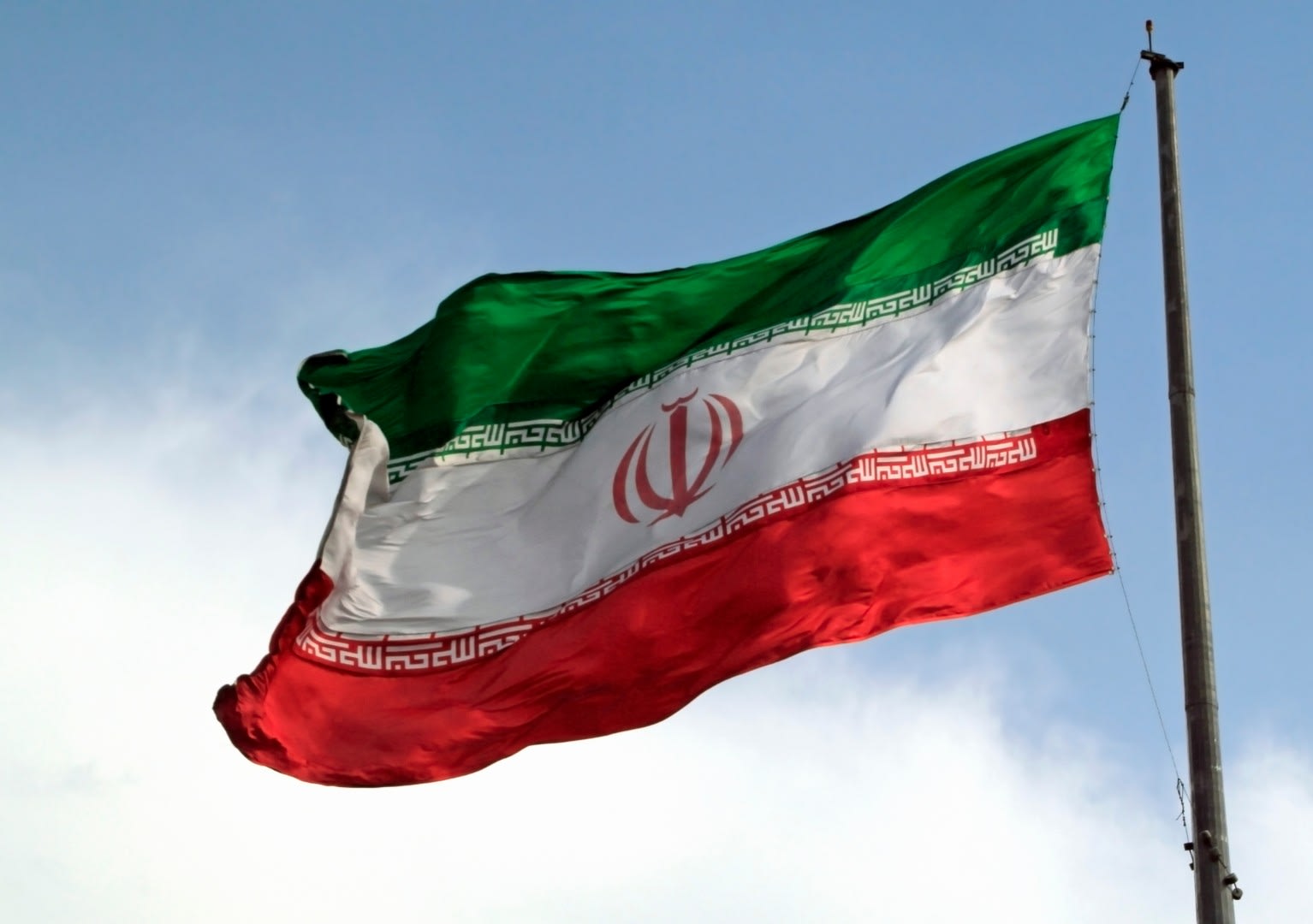
I can’t remember when I first came across Comma Press – perhaps when I found that they focused on short stories because they can give a voice to the disenfranchised, those on the fringes of society. Maybe it was stacking the glorious orange copies of Protest (edited by Ra Page) in Blackwell’s. No matter how finding out about the Press came about, when I saw the new advances for The Book of Tehran up for grabs, I realised that (a) I don’t think I’ve ever written about Iranian literature for OX before and (b) I had to read it.
I have spoken before about the difficulties – and benefits – of having the same translator for different stories. On one hand, it gives a consistency of voice and tone that works incredibly well when working with a single author’s work. On the other, it can impart a similarity for those who can only read in their own language that softens the nuances that does – and should – occur between different writers. The Book of Tehran (edited by Fereshteh Ahmadi) uses a different translator for each short story, ten writers published in English for the first time. One of the reasons I felt this collection would be important is that it is very easy for the Westerners’ view of Iran to be one-dimensional, shaped largely by media coverage. This is not a one-dimensional collection; it focuses more on the subtle, internal lives of its inhabitants rather than a brash extreme.
The first story, Wake It Up (Payam Nasser, translated by Sara Khalili) could easily have been set in a brownstone in New York. A failing writer feels that experiencing a breakup should give his work depth, but much to his disappointment, “The consequence of a doomed love affair that lay in ruins could not have been fifty hours of sleep, wolfing down a serving of trout, and breaking a glass saltshaker. A destructive and, at the same time, consoling action was required.” I also particularly liked the urgent second-person In the Light being Cast from the Kitchen (Hamed Habibi, trans. Shahab Vaezzadeh), which plays with the terror that we all have in the dark on our own, somewhere we should be safe, and the subtle unsaid weight of societal expectation and fear of people who are different in Goli Taraghi’s The Other Side of the Wall (trans. Sholeh Wolpé).
In fact, if there was a particular aspect to this collection I liked the most was the amount it trusted the reader to interpret. It leaves gaps, the stories are not ponderous. They are sketches in flux that describe emotions that are universal, but in a way that feels wholly different. I would recommend all of Comma Press’ Reading the City anthologies, and The Book of Tehran is no exception.