



Traveling across multiple countries is exciting but comes with real challenges—especially when Canada is part of your journey. Managing flights, budgets, and mobile connectivity across borders can quickly become overwhelming. One of the biggest frustrations? Losing internet access the moment you cross into a new country or facing unexpected roaming charges that drain your budget.
Modern travelers need reliable solutions that work seamlessly from Toronto to London, or Vancouver to Paris. Whether you're combining Canadian Rockies exploration with European cities or adding Canada to an Asian circuit, staying connected shouldn't require juggling multiple SIM cards or paying exorbitant fees. This guide walks you through planning multi-destination trips with Canada while maintaining affordable, hassle-free connectivity throughout your entire journey.
Planning Your Multi-Destination Trip with Canada
Building an itinerary that includes Canada alongside other destinations requires thoughtful preparation. Many travelers underestimate how different regulations, time zones, and connectivity standards affect their experience. Getting these fundamentals right saves money and reduces stress during your actual trip.
Understanding Global Itinerary Challenges
Multi-country trips present unique obstacles that single-destination travel doesn't. Visa requirements vary dramatically—some nationalities need electronic travel authorizations for Canada while entering visa-free elsewhere. Currency fluctuations affect your budget differently in each location. Travelers often discover their credit cards work perfectly in Montreal but get declined in smaller European towns.
Transportation logistics become complex when coordinating flights, trains, and buses across continents. A delayed flight in Toronto might cause you to miss a connection in Frankfurt. Accommodation check-in times don't always align with your arrival schedule, leaving you stranded with luggage.
The biggest hidden challenge? Communication breakdowns when your phone stops working. Imagine arriving at Vancouver International Airport with confirmation emails you can't access, or trying to contact your hotel in Paris without data. These scenarios happen daily to unprepared travelers. Many people assume their home carrier's international plan covers everything, only to face bill shock weeks later. One solution that eliminates this problem is getting an eSIM for Canada before your trip starts, ensuring connectivity from the moment you land.
Selecting Destinations That Complement Canada
Canada pairs naturally with certain regions based on flight availability and seasonal appeal. The West Coast—Vancouver and Victoria—connects efficiently with Asian destinations like Tokyo, Seoul, or Singapore. Eastern cities like Toronto and Montreal offer direct routes to European capitals, making combinations with London, Paris, or Amsterdam practical.
Consider climate compatibility when building your itinerary. Summer in the Canadian Rockies (June-August) matches nicely with Scandinavian travel. Spring cherry blossoms in Vancouver align with similar blooms in Japan. Winter ski enthusiasts might combine Whistler with Swiss or Austrian resorts.
Cultural variety matters too. Following Canada's urban sophistication with Iceland's natural wonders creates contrast. Or pair Quebec City's French heritage with actual France for linguistic continuity. Think about what experiences complement rather than repeat each other.
Budget-conscious travelers should note that flying from Canada to South America often costs less than routes through U.S. hubs. Toronto to Buenos Aires or Vancouver to Lima can be surprisingly affordable with proper timing.
Timing Your Travel for Optimal Seasons
Seasonal timing dramatically impacts both cost and experience across multiple destinations. Canadian shoulder seasons—late April to early June and September to October—offer fewer crowds and lower prices. These windows align well with pleasant weather in Mediterranean Europe or spring festivals in Asia.
Avoid July and August in Canada if you're budget-sensitive. Peak summer pricing extends to flights, hotels, and car rentals. Instead, try early September when weather remains excellent but families return to school, dropping demand.
Winter presents opportunities if you embrace cold weather. November to March offers the lowest prices for Canadian city visits. Combine this with Southeast Asian escapes where winter is the dry, pleasant season. Fly into Toronto or Montreal affordably, then continue to Thailand or Vietnam where weather is perfect.
Be strategic about holiday periods. Canadian Thanksgiving (mid-October) and U.S. Thanksgiving (late November) create price spikes. Christmas through New Year's is expensive globally. Target the "dead weeks" immediately after these peaks for better deals.
Weather unpredictability matters in Canada. Even in summer, pack layers. That July day in Calgary might hit 25°C or 10°C. Coastal areas see more rain—Vancouver averages 20 rainy days in November. Check historical weather data for your specific destinations and dates.
Navigating Transportation Between Canada and Other Countries
Getting between Canada and your other destinations efficiently requires understanding hub airports, alternative routes, and cost-saving strategies. Transportation typically represents your largest expense after accommodation, so careful planning pays off significantly.
Flight Routes and Layover Strategies
Canada's major international hubs—Toronto Pearson (YYZ), Vancouver (YVR), and Montreal (YUL)—offer direct flights to dozens of global cities. Vancouver excels for Asia-Pacific connections with non-stop service to Hong Kong, Shanghai, Tokyo, Seoul, and Sydney. Toronto dominates transatlantic routes with direct flights to London, Paris, Frankfurt, Rome, and more. Montreal serves as a French-language gateway with particularly good connections to Francophone destinations.
Layover strategies make or break multi-city journeys. Short connections (under 90 minutes) risk missed flights, especially clearing Canadian customs on return. Allow minimum two hours for domestic Canadian connections, three hours for international. Immigration at major Canadian airports can take 30-60 minutes during peak hours.
Strategic layovers can reduce costs significantly. Flying Toronto to Bangkok via Vancouver instead of direct saves $200-300 often. Or route Toronto to Paris via Reykjavik on Icelandic carriers for budget-friendly options. Just ensure your layover city doesn't require a separate transit visa.
Consider open-jaw tickets where you fly into one city and return from another. Fly into Vancouver, travel overland to Calgary or Toronto, then fly home from the East Coast. This eliminates backtracking and saves time. Airlines often price these competitively with round-trips.
Budget carriers like WestJet, Air Transat, and international low-cost airlines offer savings but watch for restrictions. Baggage fees, seat selection charges, and meal costs add up. Compare total costs, not just base fares.
Overland and Sea Travel Options
Canada's massive geography makes overland travel time-consuming but scenic and economical for certain routes. VIA Rail connects major Eastern cities—the Toronto to Montreal corridor runs frequently with travel times around 5 hours. The Canadian train from Toronto to Vancouver takes 4 days but showcases landscapes impossible to see otherwise.
Buses like Megabus and FlixBus connect Canadian cities affordably. Toronto to Ottawa costs $20-40 and takes about 5 hours. Vancouver to Seattle provides easy U.S. entry for extending trips southward. However, crossing by bus means potentially long border waits—sometimes 2+ hours at busy crossings.
Rental cars offer flexibility but consider one-way drop fees, especially crossing provinces or borders. Winter driving in Canada demands proper tires and experience with snow conditions. Distances deceive—Calgary to Vancouver is 1,000 kilometers requiring 10+ hours driving.
Ferry services operate on both coasts. BC Ferries connects Vancouver to Victoria (90 minutes) and smaller islands. Atlantic ferries link Nova Scotia to Newfoundland. These create scenic alternatives to flying within Canada.
Budgeting for Multi-Leg Journeys
Transportation costs vary wildly based on booking timing and flexibility. Book international flights 2-3 months ahead for best prices, though some routes (especially to Asia) benefit from earlier booking. Domestic Canadian flights stay cheaper when purchased 3-6 weeks out.
Hidden costs catch unprepared travelers. Canada's airport improvement fees range from $15-35 per departure. Baggage fees on separate tickets don't usually transfer—you'll pay twice. Seat selection on international flights runs $20-150 depending on choice.
Budget at least $500-800 for long-haul flights from Canada to Europe or Asia (economy). Transcontinental Canadian flights average $300-600 depending on season. Regional flights within Canada cost $150-400. Add 20-30% buffer for unexpected changes or upgrades.
According to the Government of Canada's travel advisories, exchange rates and payment methods affect transportation costs. Credit cards with foreign transaction fees add 2-3% to every purchase abroad. Use cards without these fees or withdraw cash strategically at bank ATMs abroad rather than airport exchange counters.
Managing Connectivity Across Borders
Staying connected while traveling through multiple countries presents one of the most frustrating aspects of international trips. Your phone becomes your lifeline—for navigation, translations, booking confirmations, and emergency contacts. Yet traditional connectivity solutions often fail the moment you cross borders.
Common Data Roaming Issues for Travelers
Data roaming creates numerous headaches for travelers who don't plan ahead. The biggest shock comes from bills—travelers routinely face charges of $10-15 per megabyte when roaming without an international plan. Streaming one song or watching a short video can cost $50-100. Even with carrier international plans, daily fees of $10-12 add up quickly on multi-week trips.
Connection quality varies unpredictally with roaming. Your phone might work perfectly in downtown Toronto but lose service in Banff National Park. Switching between Canadian carriers as you roam internally creates connection drops. Many travelers experience their phone showing signal bars but data not actually working.
Technical complications arise with different network technologies. Canada primarily uses LTE bands 4, 7, 12, and 17. Your phone from Asia or Europe might lack compatibility, resulting in slow 3G speeds or no service despite having a local SIM. Older devices especially struggle with Canada's network frequencies.
Activation delays cause problems too. Travelers purchase a local SIM at the airport, but activation takes hours or requires verification they can't complete without existing connectivity. This creates a frustrating catch-22 situation right when you need internet most.
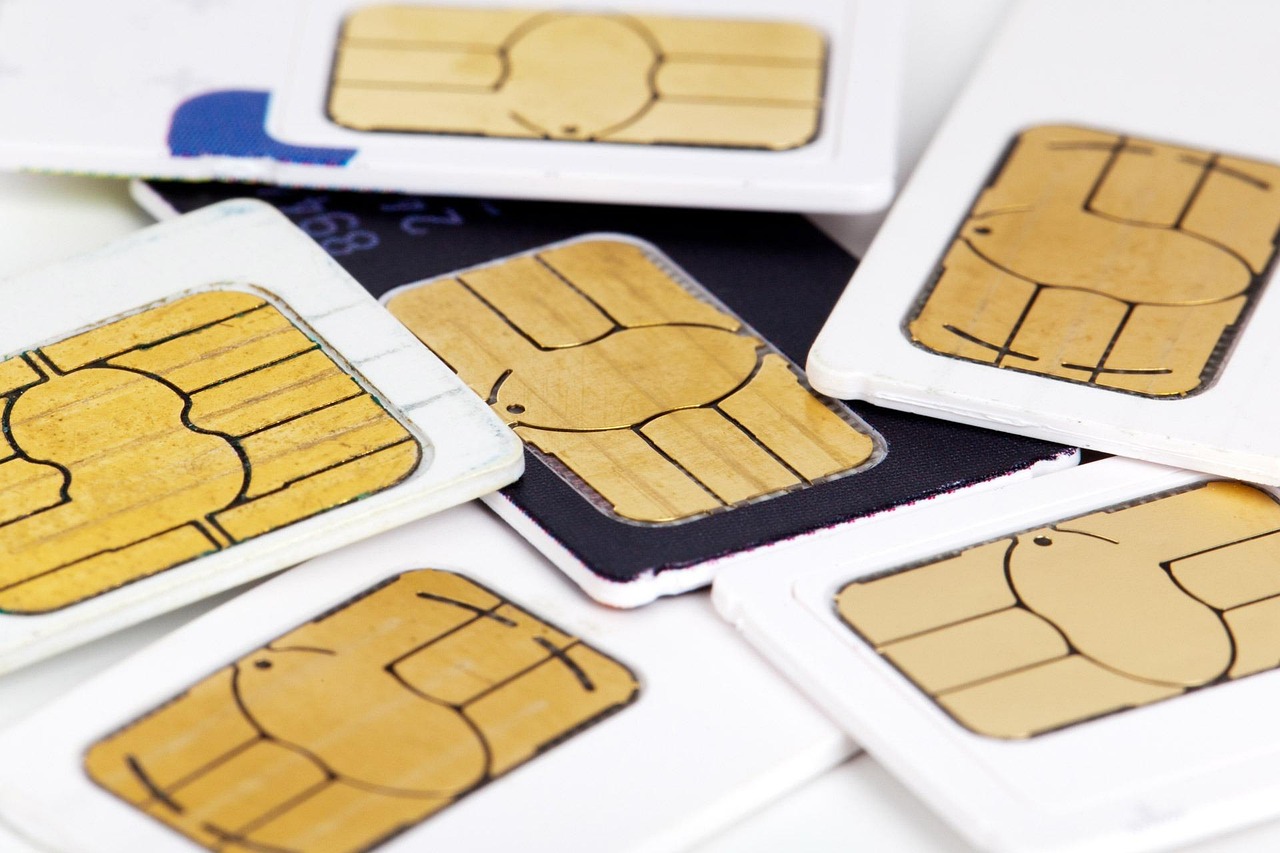
Many countries still use physical SIM cards requiring you to swap out your home SIM. This means potentially losing your home number temporarily, missing verification codes for banking apps, and risking the tiny SIM card getting lost. You'll need a SIM removal tool and deal with storing your home SIM safely.
Comparing Traditional SIM Cards vs. eSIM Solutions
Traditional physical SIM cards have served travelers for decades but come with significant drawbacks for multi-country trips. Each new country requires purchasing another SIM, tracking multiple cards, and repeatedly swapping them in your device. Airport SIM vendors charge premium prices—often 2-3x what you'd pay at local shops outside airports.
Finding SIM card vendors requires time and research in each new destination. Not all airports have convenient options. Arriving late at night might mean no vendors are open. Language barriers complicate explaining your data needs. Tourist-area vendors sometimes sell unsuitable plans or outdated SIMs.
Physical SIMs for Canada require visiting carrier stores (Rogers, Bell, Telus) or authorized resellers. Tourist SIM options exist but availability varies by location. Activation often needs identification and sometimes a local address, creating barriers.
eSIM technology revolutionizes travel connectivity by allowing digital activation without physical cards. Your phone downloads a data profile remotely and switches between carriers without hardware changes. One device holds multiple eSIM profiles, letting you maintain your home number while using local data plans.
For multi-destination trips including Canada, eSIM eliminates repetitive SIM purchases. You activate before leaving home, arrive with connectivity intact, and switch between regional profiles as you move between countries. Plans for eSIM for Europe travel work seamlessly alongside Canadian coverage, all managed through your phone's settings.
Cost comparisons favor eSIM solutions for most travelers. Traditional roaming plans from major carriers cost $10-15 daily. A two-week trip costs $140-210 just for basic connectivity. Physical SIM cards in Canada run $30-60 for tourist data packages. eSIM plans typically offer better value with regional coverage and flexible data amounts starting around $5-10 per gigabyte.
Not all phones support eSIM technology—you need an iPhone XS or newer, recent Samsung Galaxy models (S20+), Google Pixel 3 or later, or other eSIM-compatible devices. Check your phone's specifications before planning around eSIM solutions.
Preparing Devices for International Use
Device preparation before departure prevents connectivity disasters. First, verify your phone is unlocked—locked devices can't use local SIMs or eSIM profiles from other carriers. Contact your current carrier to confirm unlock status and request unlocking if needed (usually requires contract completion).
Check eSIM compatibility in your phone's settings. iPhone users go to Settings > Cellular > Add Cellular Plan. If this option appears, your device supports eSIM. Android varies by manufacturer but typically found in Settings > Connections > SIM Manager.
Update your phone's operating system before traveling. Newer versions include carrier settings and network compatibility improvements. Download critical apps while on home WiFi—mapping apps (Google Maps, Maps.me), translation tools, banking apps, and travel booking apps.
Enable WiFi calling if your home carrier supports it. This lets you receive calls to your home number over WiFi without cellular charges. Particularly useful in hotels and cafes abroad.
Configure automatic app updates to WiFi-only to prevent background data consumption. Turn off cellular data for apps you don't need while traveling—automatic photo backups, social media refresh, and cloud syncing drain expensive data. iOS users navigate to Settings > Cellular and toggle off non-essential apps. Android users go to Settings > Apps and manage data usage per app.
Download offline maps for your destinations. Google Maps allows downloading city maps for offline use. This provides navigation without consuming cellular data constantly.
Test your eSIM setup before leaving home if possible. Some providers let you activate early and test on local networks. Familiarize yourself with switching between eSIM profiles so you're confident when you land abroad.
Achieving Seamless Connectivity with Simify
Modern travel demands connectivity solutions that work as seamlessly as your journey itself. Traditional approaches—buying local SIMs in each country or paying hefty roaming fees—create unnecessary friction. Simify offers a streamlined alternative designed specifically for multi-destination travelers.
How Simify Simplifies Multi-Country Data Access
Simify eliminates the hassle of managing multiple SIM cards and connectivity plans across different countries. Instead of purchasing separate data packages for Canada and your other destinations, you access regional and global plans through a single eSIM profile installed on your device.
The platform works on a simple principle—purchase data coverage for your specific destinations before traveling, install the eSIM profile, and activate when you arrive. Coverage spans across multiple countries within regions, meaning one plan can cover your entire European segment or Asia-Pacific portion of your trip.
For trips including Canada and European destinations, travelers can manage both connections efficiently. Your device holds multiple eSIM profiles simultaneously, letting you switch between your Canadian data plan and your European plan as you move between continents. This flexibility ensures you're never without connectivity regardless of which border you're crossing.
Simify's coverage in Canada extends across all major cities and tourist destinations. Whether you're exploring Vancouver's waterfront, hiking in Banff National Park, or enjoying Montreal's cultural scene, you'll maintain reliable 4G/5G connections. The service partners with major Canadian carriers to ensure broad network access without requiring you to understand carrier differences.
Data packages come in flexible options—from 1GB for short stays to 20GB+ for extended trips or heavy users. Unlike traditional SIM cards with rigid validity periods, you can select durations matching your actual travel plans. Three days in Toronto? Choose a short-term plan. Two weeks touring across Canada? Opt for longer validity.
Transparent pricing stands out as a major advantage. You see exactly what you're paying upfront with no hidden roaming fees, daily charges, or bill shock afterward. If you need more data mid-trip, top-ups are straightforward through the app without requiring store visits or language negotiations.
The Simify app provides real-time data usage monitoring so you always know how much remains. This visibility helps you manage consumption and decide if you need additional data before running out completely.
Activating eSIM for Canada and Beyond
Getting started with Simify requires a few simple steps that take about 5-10 minutes total. First, verify your device supports eSIM technology and is unlocked. Purchase your desired data plan through the Simify website or app, selecting coverage for Canada and any other regions you're visiting.
After purchase, you receive a QR code via email. Open your phone's settings—on iPhone go to Settings > Cellular > Add Cellular Plan, on Android it varies but generally Settings > Connections > SIM Card Manager > Add Mobile Plan. Scan the QR code with your phone's camera to download the eSIM profile.
The eSIM profile installs within seconds but don't activate immediately if you're still at home. Wait until you land in Canada (or your first destination) to turn on the eSIM line. This prevents data usage or charges before your trip actually starts.
Once activated, your phone automatically connects to available networks in Canada. You'll see the signal indicator showing connectivity. Open your browser or any app to test—internet access should work immediately without additional steps.
For travelers combining Canada with other regions, you might maintain two eSIM profiles—one for Canada and another for eSIM for UK and Europe. Your phone lets you label each profile (like "Canada Travel" and "Europe Travel") and switch between them easily in settings. When you fly from Toronto to London, simply disable the Canada eSIM and enable your Europe eSIM during or after your flight.
The Simify app remains your control center throughout your journey. Check data balance, view usage by date, purchase additional data if needed, and access customer support. The interface is intuitive even for travelers who aren't particularly tech-savvy.
Troubleshooting is rare but straightforward when needed. If your eSIM doesn't connect immediately after activation, try toggling airplane mode on and off, or restarting your device. Ensure "Data Roaming" is enabled in your phone's settings for the Simify eSIM line. Most connection issues resolve within minutes using these simple steps.
Real Traveler Experiences with Simify
Understanding how other travelers have successfully used Simify for multi-country journeys provides valuable perspective. Many users report the biggest benefit is peace of mind—knowing their phone will work immediately upon landing without hunting for SIM card shops or dealing with activation delays.
Business travelers appreciate maintaining productivity during layovers and transit. With Simify, they can answer emails during a connection in Toronto before continuing to their European meetings, all on the same reliable data plan. No gaps in coverage mean no missed opportunities or delayed responses.
Families traveling together find value in the cost predictability. Instead of multiple family members each paying daily roaming charges, they can use hotspot features to share one larger Simify data plan across devices. This significantly reduces overall connectivity costs for groups.
Adventure travelers heading to Canada's national parks report better-than-expected coverage in remote areas. While no carrier provides universal coverage in wilderness areas, Simify's carrier partnerships ensure connectivity extends beyond just major cities. Travelers can share photos from Lake Louise or navigate routes in Jasper without losing connection entirely.
The seamless switching between countries stands out in user feedback. Travelers landing in Paris after time in Montreal simply switch their active eSIM profile and continue their digital routines without interruption. No airport stress, no language barriers, no searching for SIM vendors.
Some users initially worried about running out of data mid-trip, but found the monitoring tools and easy top-up process eliminated this concern. Receiving alerts when approaching data limits, then purchasing additional gigabytes through the app in seconds, proved simpler than expected.
Essential Tips for Integrating Canada Seamlessly
Successfully incorporating Canada into a multi-destination itinerary requires attention to practical details beyond just transportation and connectivity. These considerations help you transition smoothly between destinations and handle the unique aspects of Canadian travel.
Packing and Preparation Checklist
Smart packing for trips including Canada requires balancing different climates and cultural contexts. Weather in Canada varies dramatically by region and season—pack layering options regardless of when you visit. A lightweight waterproof jacket serves you well from Vancouver's rain to sudden mountain storms.
Canadian summer (June-August) still requires long sleeves and pants for cool evenings, especially near water or at elevation. Winter visits demand serious cold-weather gear—temperatures in cities like Calgary or Winnipeg can hit -30°C. Thermal layers, insulated boots, and quality gloves become essential rather than optional.
For connectivity, pack universal adapters. Canada uses Type A and B plugs (same as USA) with 120V power. If you're combining Canada with Europe (Type C/F plugs, 230V) or UK (Type G plugs, 230V), you'll need multiple adapter types. Portable battery banks keep devices charged during long travel days between destinations.
Bring physical copies of essential documents—passport, travel insurance, accommodation confirmations, and eSIM activation QR codes. While digital copies usually suffice, having backups proves valuable if your phone fails or gets lost. Store these separately from electronics.
Medication should remain in original packaging with clear labels. Canada has strict regulations about prescription drugs at customs. Carry prescriptions from your doctor, especially for controlled substances. Over-the-counter medications available at home might have different names in Canada—know generic names.
Consider what you can purchase upon arrival versus what you must bring. Canadian cities have excellent shopping for forgotten items. Remote areas offer fewer options—if you're heading to Yukon or northern territories, pack everything you might need.
Cultural and Logistical Adjustments
Canada offers relatively easy cultural adjustment for international visitors but has distinct characteristics worth understanding. Language varies by region—Quebec operates primarily in French, though Montreal is bilingual. Learning basic French phrases helps significantly in Quebec City or rural Quebec. The rest of Canada operates in English with multicultural influences.
Tipping culture follows North American norms—15-20% in restaurants, $2-3 per bag for hotel porters, 10-15% for taxis. Unlike some countries, service charges aren't automatically included in bills. This surprises visitors from regions where tipping is uncommon or modest.
Payment methods are highly digital throughout Canada. Credit cards and debit cards are accepted almost everywhere in cities. However, contactless payment limits vary—some terminals require PIN entry for purchases over $250. Carry some cash for farmers markets, small vendors, or rural areas where card acceptance is less universal.
Sales taxes add to posted prices—this catches visitors unfamiliar with North American pricing practices. Goods and Services Tax (GST) is 5% federally, with provincial taxes added on top, varying from 0% in Alberta to 15% combined in Atlantic provinces. Budget accordingly as final costs exceed displayed prices by 5-15%.
Canadian politeness isn't a stereotype—it's genuine cultural practice. "Sorry" is used frequently, even when someone else causes inconvenience. This linguistic quirk helps smooth social interactions but don't misinterpret it as admission of fault.
National parks require discovery passes for entry—daily passes cost around $10-20 per person. If you're visiting multiple parks, annual passes offer better value at approximately $70-140 depending on vehicle or individual pass. Purchase these online before arriving to skip entry station lines.
Handling Emergencies on the Go
Emergency preparedness becomes more important when traveling across multiple countries far from home. Canada's emergency services operate on 911 for police, fire, and medical emergencies—free from any phone, including locked phones without service plans.
Medical care in Canada follows a public system for residents but requires payment from international visitors. Travel insurance is essential—medical costs without insurance can be astronomical. A simple emergency room visit might cost $500-1000, while serious medical procedures reach tens of thousands. Verify your insurance covers Canadian medical care and understand the claim process before problems arise.
Simify's reliable connectivity ensures you can reach emergency services, contact your embassy, or access digital health records if needed. Having working data eliminates the panic of being unable to call for help or access important information during crises.
Embassy contact information should be saved in your phone before departure. Know your country's embassy or consulate locations in Canadian cities you're visiting. These offices can help with lost passports, legal issues, or serious medical situations.
Lost or stolen passports require immediate action. File a police report first—you'll need this documentation for embassy passport replacement. Contact your embassy immediately; many offer emergency travel documents within 24-48 hours. Having digital copies of your passport stored in email or cloud storage speeds this process significantly.
Financial emergencies—lost credit cards, theft, or running out of money—happen to travelers. Before leaving home, note your credit card company's international helpline numbers. Save these separately from the cards themselves. Most major banks offer emergency card replacement even while you're abroad, though delivery takes several days.
According to Travel + Leisure's safety guidelines, travelers should also have emergency contacts saved in their phone under "ICE" (In Case of Emergency). Include family members and your travel insurance company's 24-hour assistance line.
Weather emergencies in Canada—particularly winter storms—can disrupt travel plans. Monitor weather forecasts regularly. Canadian winters can ground flights, close highways, or create dangerous travel conditions. Build flexibility into your itinerary for weather delays rather than booking tight connections in winter months.
Frequently Asked Questions
How Does eSIM Compatibility Work for Canadian Networks?
eSIM compatibility in Canada depends on two factors—your device supporting eSIM technology and the eSIM provider having agreements with Canadian carriers. Most iPhones from XS models onward, recent Samsung Galaxy phones (S20 and newer), Google Pixels (3+), and other modern smartphones support eSIM.
Canadian networks operate primarily on LTE bands 4, 7, 12, and 17, with 5G expansion continuing across major cities. eSIM profiles from reputable providers like Simify connect to multiple carriers (Rogers, Bell, Telus networks) ensuring broad coverage across the country. Your phone automatically selects the strongest available signal from partner networks.
Activation happens digitally through QR code scanning or app-based setup. Once installed, the eSIM functions identically to physical SIM cards—you get data access, can use mobile hotspot features, and maintain consistent connectivity while moving around Canada. The key advantage is you don't need to visit carrier stores or deal with physical SIM card swapping.
Device unlock status matters significantly. Phones locked to specific carriers often can't use eSIM from other providers. Check with your current carrier to confirm your phone is unlocked before purchasing eSIM plans.
What Are the Costs of Using eSIM for Multi-Destination Trips?
eSIM costs vary based on data amount, coverage region, and validity period. For Canada specifically, plans typically range from $8-15 for 1-3GB with 7-day validity, up to $40-60 for 10-20GB with 30-day validity. These prices sit well below traditional roaming charges from major carriers that can hit $10-15 per day.
Multi-region plans covering Canada plus other areas (like North America or global plans) cost more but provide better value than purchasing separate plans for each country. A North American plan might cost $25-35 for moderate data across Canada, USA, and Mexico—far cheaper than buying three separate single-country plans.
Compare this to alternatives: Traditional carrier roaming averages $10-15 daily ($140-210 for two weeks). Physical tourist SIM cards in Canada cost $30-60 for limited data. Renting pocket WiFi devices runs $8-12 daily plus rental fees and deposits ($150-250 for two weeks).
eSIM becomes more economical the longer you travel. Short 3-4 day trips see minimal cost difference between options. Two-week or longer journeys show substantial eSIM savings. The convenience factor—no hunting for SIM cards, no activation delays, instant service—adds significant value beyond just monetary cost.
Can I Switch Between Countries Without Changing Plans?
Switching between countries depends on your eSIM plan type. Single-country plans (Canada only) stop working when you leave Canada's borders. Regional plans covering multiple countries let you move freely within that region on the same plan—for example, a European regional plan works across 30+ countries without changes.
For trips combining Canada with other continents, most travelers use multiple eSIM profiles on one device. Install a Canada-specific plan plus a separate European plan (or Asian plan, etc.). Your phone holds both profiles simultaneously. When you fly from Toronto to Paris, simply open settings and switch your active eSIM from the Canada profile to Europe profile.
This switching takes about 30 seconds—select the new profile, disable the old one, and your phone connects to the new region's networks. No physical SIM swapping, no purchasing new cards, no activation delays. Some travelers switch mid-flight (turn on the new eSIM as you descend toward your destination), others wait until landing.
Global eSIM plans exist but typically cost more than regional options. These work across 100+ countries including Canada, Europe, Asia, and more. They're convenient for complex multi-continent trips but calculate whether the premium price makes sense versus using 2-3 regional plans.
Is Setup Easy for Non-Tech-Savvy Travelers?
eSIM setup is designed for simplicity, though it might feel intimidating initially for travelers unfamiliar with technology. The actual process involves three main steps: purchasing a plan, scanning a QR code, and toggling the eSIM on in your phone settings.
Purchasing happens through a website or app with familiar online shopping processes. Select your destination (Canada), choose data amount and validity, proceed to checkout. You receive an email with a QR code immediately after purchase.
Installing the eSIM requires scanning that QR code using your phone's camera through the settings menu. iPhones guide you with clear on-screen prompts: "Add Cellular Plan" → scan QR code → confirm addition. Android phones vary slightly by manufacturer but follow similar logic. The entire installation takes about 2-3 minutes.
Activation is the final step—simply turning the eSIM on when you arrive at your destination. You'll see it listed in your phone's cellular settings with whatever label you assigned ("Canada Travel"). Toggle it to "on" and within 30 seconds to 2 minutes, you should see signal bars indicating connection.
Most providers including Simify offer detailed setup guides with screenshots for various phone models. Customer support via chat or email can walk you through steps if you get stuck. The technology intentionally avoids complex technical requirements—no manual carrier settings entry, no APN configuration, no technical knowledge needed.
Many travelers in their 60s and 70s successfully use eSIM after initial guidance. The key is following instructions step-by-step without skipping ahead and not panicking if connection takes a minute to establish after activation.
What Happens If I Run Out of Data Mid-Trip?
Running out of data during your trip doesn't mean losing connectivity permanently. Most eSIM providers including Simify allow data top-ups through their app or website. You purchase additional data (another 1GB, 5GB, or more) which gets added to your existing plan immediately or within a few minutes.
The top-up process works anywhere you can access WiFi—your hotel, a coffee shop, or a restaurant. Open the Simify app, log into your account, select "Add Data," choose your amount, and complete payment. The data activates on your existing eSIM profile without requiring new QR codes or reinstallation.
Some travelers intentionally purchase smaller initial data packages then top up as needed rather than buying excess data they might not use. This approach provides flexibility but requires monitoring your usage throughout the trip.
To avoid running out unexpectedly, enable data usage tracking in your phone's settings. Both iPhone and Android show how much data each app consumes. You can also set warnings or limits—for example, notify when reaching 80% usage. The Simify app itself displays remaining data in real-time.
Data conservation techniques help stretch your plan further: Use WiFi whenever available at accommodations and restaurants. Download maps, entertainment content, and other large files over WiFi before heading out. Disable background app refresh and automatic updates. Avoid streaming video over cellular—a single 30-minute video can consume 500MB to 1GB depending on quality.
If you completely exhaust your data with no WiFi available for top-up, your eSIM connection remains installed but stops providing data access. Once you find WiFi or purchase more data, service resumes immediately without complications.