


DR LAUREN BAKER, OXFORD BOTANIC GARDEN AND ARBORETUM
Plants are crucial for life on earth. They provide the air we breathe, the food we eat, the clothes we wear and medicines that save lives. We know they underpin entire ecosystems, entire economies. They also possess an innate beauty in gardens, parks and habitats around the world but despite all this, two in five plant species now face extinction.
This crisis goes under the radar. There are 380,000 known species of plant, to which 2,000 are added each year. This means that at least 152,000 species are at risk of extinction. This number is horrifying. To put this in context, there are fewer than 7,000 species of mammal – including us. Most of us can name an endangered animal. How many can name an endangered plant?
We need to inspire the next generation with plants, which may provide the solutions to the global challenges we all face. Plants are responsive, just like animals: constantly growing, manipulating other organisms, seeking nutrition, preparing to reproduce, and fighting for space. The only difference is that through our eyes, they take their time. If we learn to look a little closer, plants could provide astounding solutions in surprising ways and so we aim to inspire the younger generations to look at plants in different ways.
Research shows that children at primary school are fascinated with plants. They love putting their hands in soil, planting seeds and watching plants like tomatoes and sunflowers germinate and grow. At secondary school, interest plummets. Our aim is to challenge the misconception that plants are less interesting than animals. Did you know plants could literally take you out of this world?
As you read this, plants are orbiting Earth on the International Space Station (ISS). In fact, a large proportion of the experiments currently underway on the ISS are plant science experiments; humankind’s exploration of the galaxy cannot go much further without the ability to grow our own food. The impacts of microgravity on cellular growth and the flow of water and nutrients through plant vessels is significant and needs to be understood to ensure reliable harvests. Other experiments are looking at the impact of radiation in space on plants, exploring the impacts on nutrition and taste and making growth systems as efficient as possible, to minimise weight on board the spacecraft at launch.
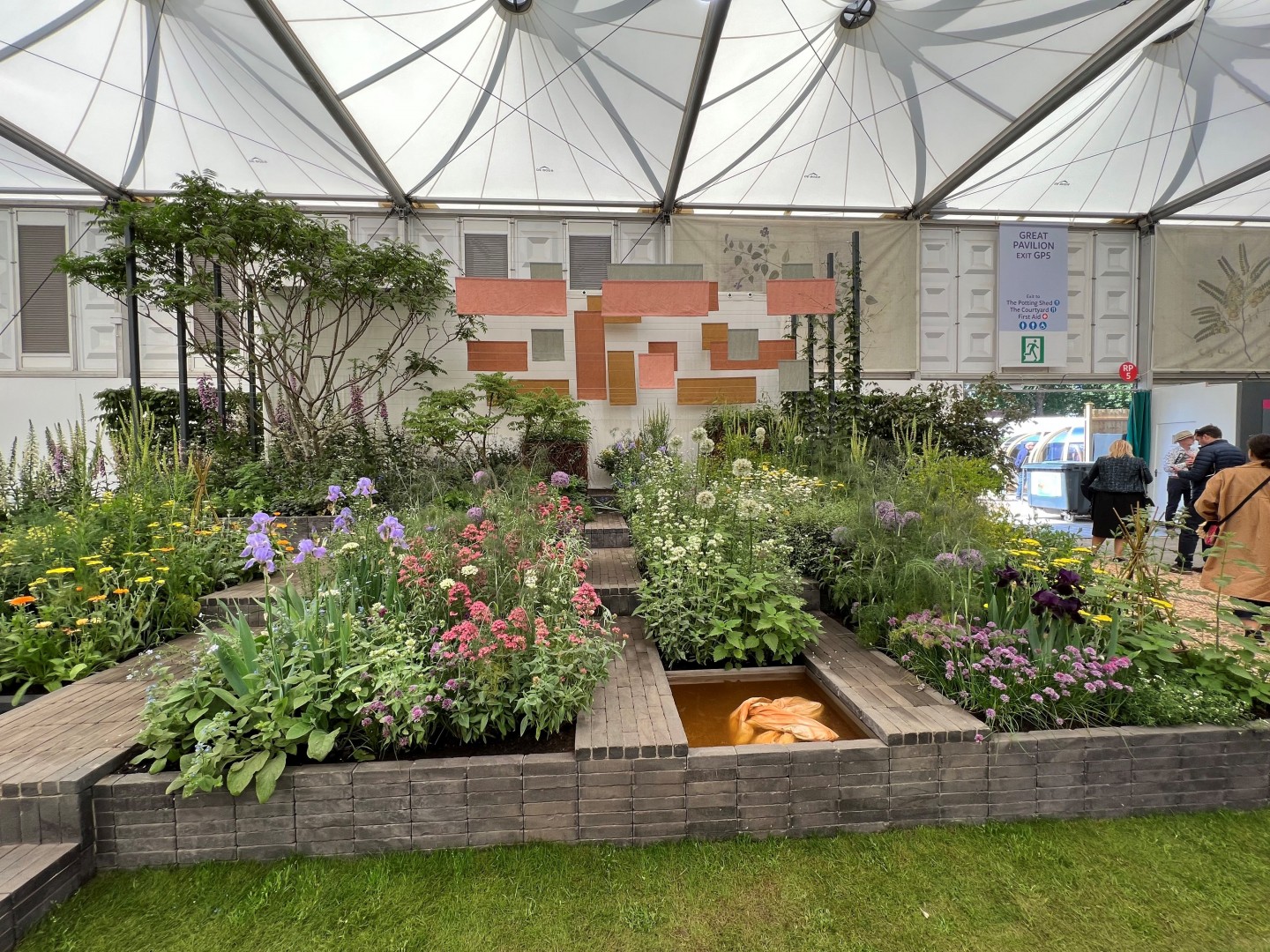 Another fascinating field in which utilising more plants is vital is fashion. Today’s fashion industry is dominated by chemical dyes and synthetic fibres, used in energy-intensive processes to make clothes that are often thrown away within five years. But plants have been key to the fashion industry for generations, as dyes, natural fibre providers, floral motifs and even botanical folklore, linking culture and nature to our clothes. This year at the Royal Chelsea Flower Show, a Textiles Garden was produced in collaboration between Fashion Revolution, designer Lottie Delamain and Kate Turnball from Headington School. The Textiles Garden was created solely from plants that can be used as a dye or a fibre, and the garden is being relocated to Headington School where it will be rebuilt as a working dye garden to support textiles students.
These are just two examples of how plants can play pivotal roles in the hunt for sustainable solutions to human problems. Pausing to take a closer look at their structure, development or evolution can lead to amazing advances which are only possible if we can inspire the next generation.
Dr Lauren Baker is Secondary Education Officer at the Oxford Botanic Garden and Arboretum. Founded in 1621, it is one of the oldest science gardens in the world and a leading centre of research.