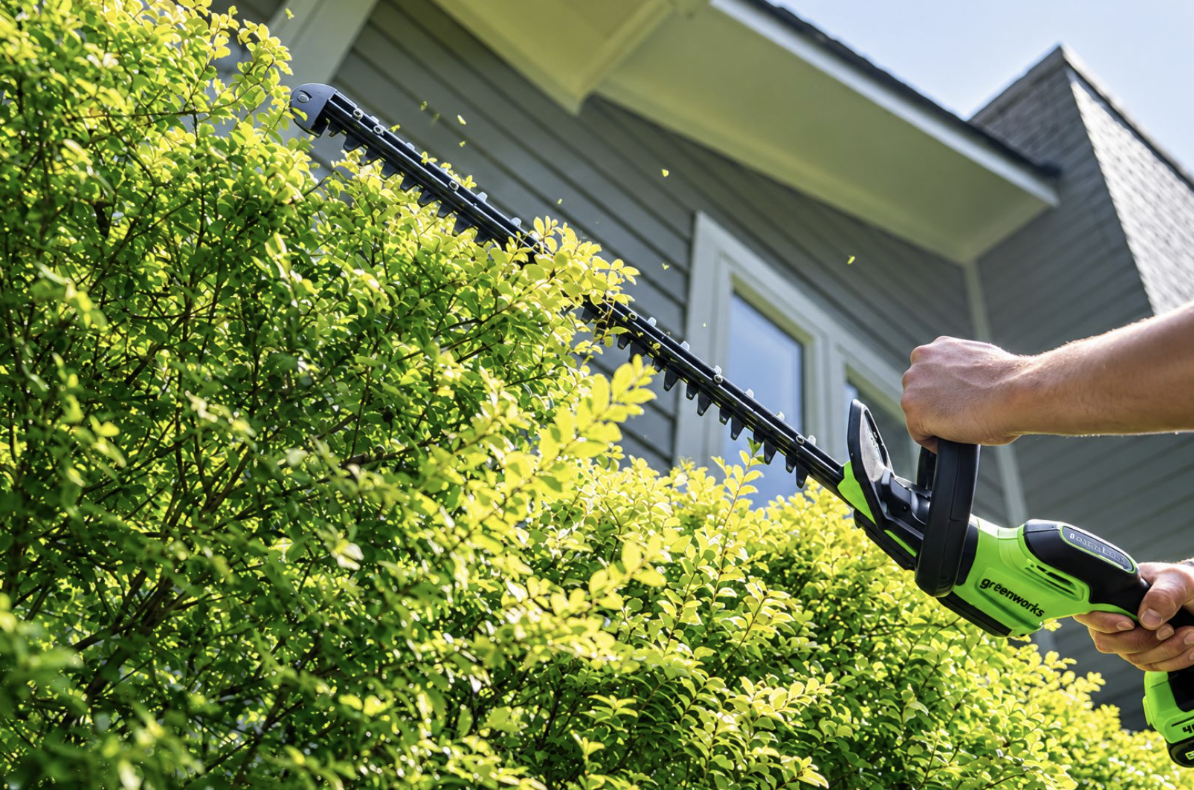

Country gardens often gain much of their character from established boundaries: a beech hedge enclosing a lawn, a mixed native hedgerow along a lane or a formal evergreen screen beside the terrace. These features give structure and shelter, but they also need considerate maintenance. The right approach combines plant knowledge, appropriate tools and respect for the wildlife that uses them.
Know what grows along the boundary
Before cutting, identify the plants. Beech, hornbeam, privet, yew and conifers respond differently to pruning. Some will tolerate regular shaping, while others may not recover well from a deep cut into old wood. Mixed hedgerows also contain plants that flower or fruit at different times, so uniform trimming can remove food or shelter for wildlife. The species and purpose of the hedge should guide your plan.
Choose timing with care
There is no universal date for country garden hedge trimming. The plant's growth and flowering cycle matter, as do weather conditions and nesting birds. Active wild bird nests are protected by law, and you must not disturb them. Inspect the hedge carefully before every operation, including outside the usual spring and summer breeding period, and delay work where nesting activity is present.
Keep the hedge in good shape
For many formal hedges, a profile slightly wider at the base than at the top helps light reach lower growth. A string line may be useful for a long, straight section. Work in small stages and step back regularly to judge the shape. Avoid forcing the plant into a severe cut merely to achieve a sharp line in one afternoon.
Choose tools for the scale of the job
Hand shears offer precision on short or delicate sections. For longer accessible boundaries, cordless hedge trimmers may provide a cable-free alternative to mains-powered models. Compare blade length, machine weight, cutting capacity and battery requirements. Do not force a hedge trimmer through thick woody stems; different equipment or specialist help may be needed. Always follow safety instructions and use suitable protection. A battery hedge trimmer should be selected for its suitability for the specific hedge, not merely the convenience of avoiding a cable.
Avoid risky access
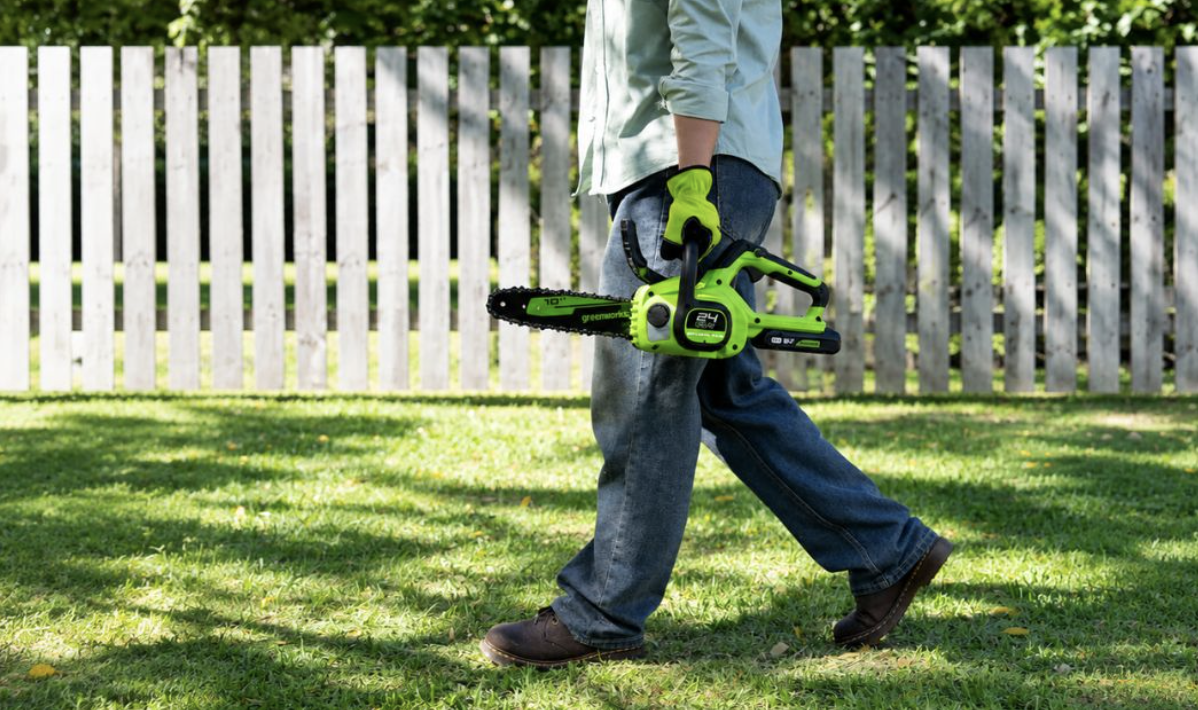
Tall hedges can tempt gardeners to reach from an unstable ladder. Maintain firm footing and avoid overhead or awkward cutting positions. If the work cannot be carried out safely from a suitable position, use a competent professional. Inspect the ground for holes, debris and trip hazards before starting, and keep bystanders clear.
Give the borders equal attention
Borders close to hedges may struggle with root competition and shade. Select plants that suit the soil and light rather than choosing them solely for appearance. Mulch where suitable, keep it away from stems and water new planting as required while it establishes. Remove invasive weeds and create a clean edge where paths or lawns meet planting, but allow the border to keep a natural character.
Use clippings sensibly
Healthy, suitable soft material can sometimes be composted in managed layers. Woody trimmings may be used in a quiet habitat area where safe. Check whether any plant is toxic before allowing clippings to remain where pets or livestock might eat them, and use the local garden-waste service for material that cannot be reused.
Protect the character of the garden
Careful country garden maintenance is not about making every boundary perfectly rigid. Maintain safe access and the intended shape while leaving suitable areas for wildlife. A considered mix of trimming, border care and occasional professional work will keep established planting both useful and attractive.