


Growing your own seeds is an affordable and rewarding method to replenish your garden and enjoy beloved blooms year after year. Julian Palphramand, Head of Plants at British Garden Centres describes seed harvesting as “like investing in your garden's future. Not only does it save you money…but it ensures you have healthier and more resilient plants.”
When to Harvest
Grab your seeds once the plant starts to dry out and the flower heads turn brown. If possible, it’s best to collect them on a sunny day to keep them dry. Take care and wear protective gloves around plants that could be poisonous.
How to Harvest
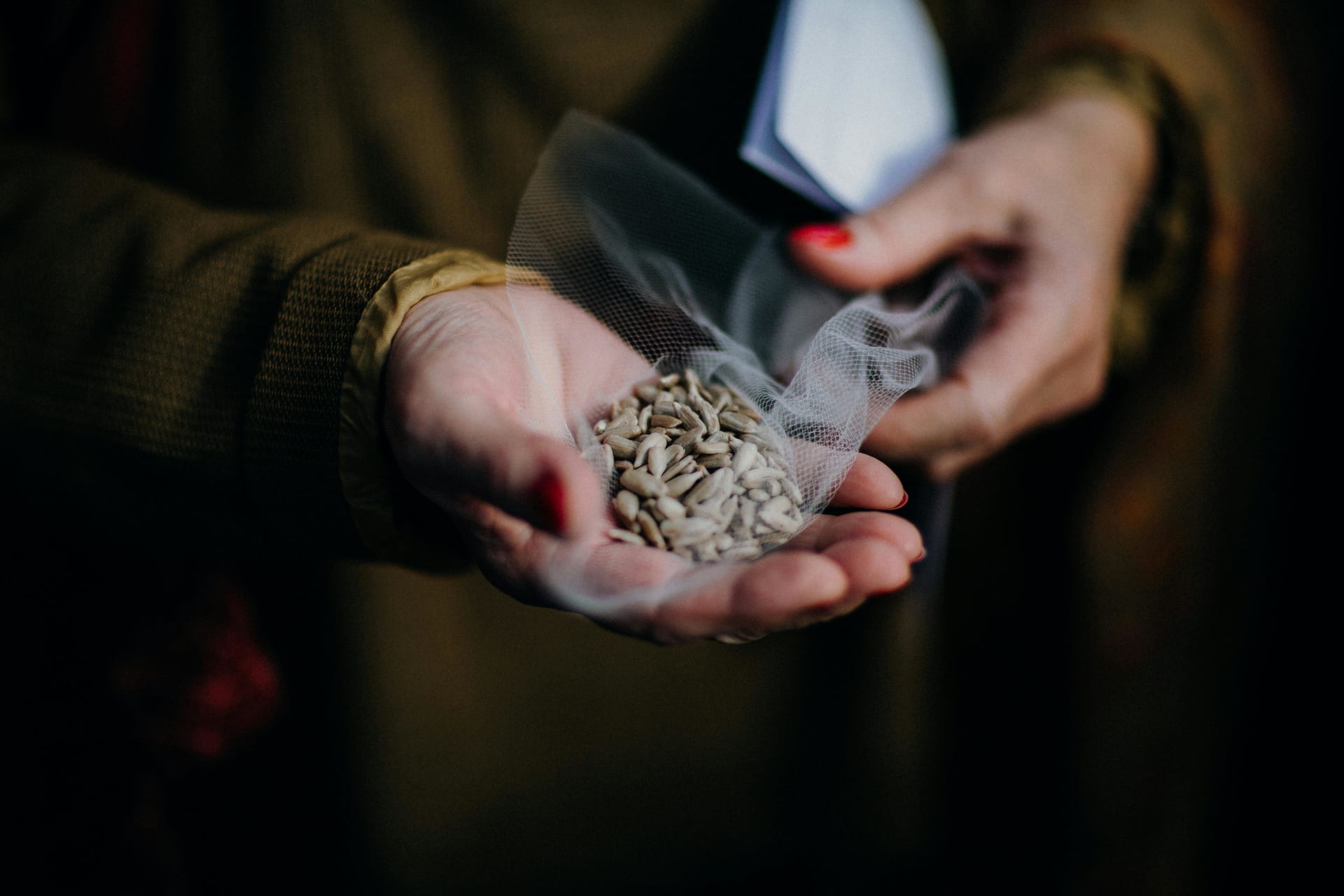
The method will depend on the plant. For plants with exposed seeds, gently rub the seed heads over a container to collect them. For plants with pods or fruits, remove and allow them to dry before extracting the seeds. For fleshy fruits, mash them in a sieve and rinse away the pulp to retrieve the seeds.

Flowers: For plants like cosmos, poppies, and zinnias, enclose the flower head in a paper bag before cutting the stem. Gently rub the head to release the seeds, allowing them to dry on paper towels in a cool, dry place.
Pods: Many plants, including sweet peas and crocosmia, produce seed pods. Allow these to fully ripen and dry before extracting the seeds.
Berries and Fruits: For plants like tomatoes, peppers, and cucumbers, remove the fleshy part, often by washing or pulping. Dry the seeds thoroughly before storing.
Trees and Shrubs: Collect fallen seeds or carefully remove them from the plant. Clean and dry thoroughly. Examples include acorns, pinecones, and maple seeds.

How to Dry
Proper drying is crucial for seed harvesting and for growth next season. Learning how to dry seeds involves allowing the ideal amount of moisture to evaporate from the seed without it becoming too dry. Clean seeds with a solution of water and vinegar before drying thoroughly in the open air by spreading seeds in a single layer on paper towels or trays in a warm, dry, and well-ventilated area. Avoid direct sunlight. Drying times vary depending on the seed type, but thorough drying is essential to prevent mould.

How to Store
If seeds are not stored correctly, they can lose their germination ability due to factors like moisture, temperature fluctuations, and pests. Here are some pointers:
Containers: Opt for paper envelopes or glass jars. Avoid plastic bags as they can trap moisture.
Environment: Store seeds in a cool, dark, and dry location.
Labelling: Clearly label each packet with the plant name, variety, and harvest date.
For more information, visit: britishgardencentres.com