

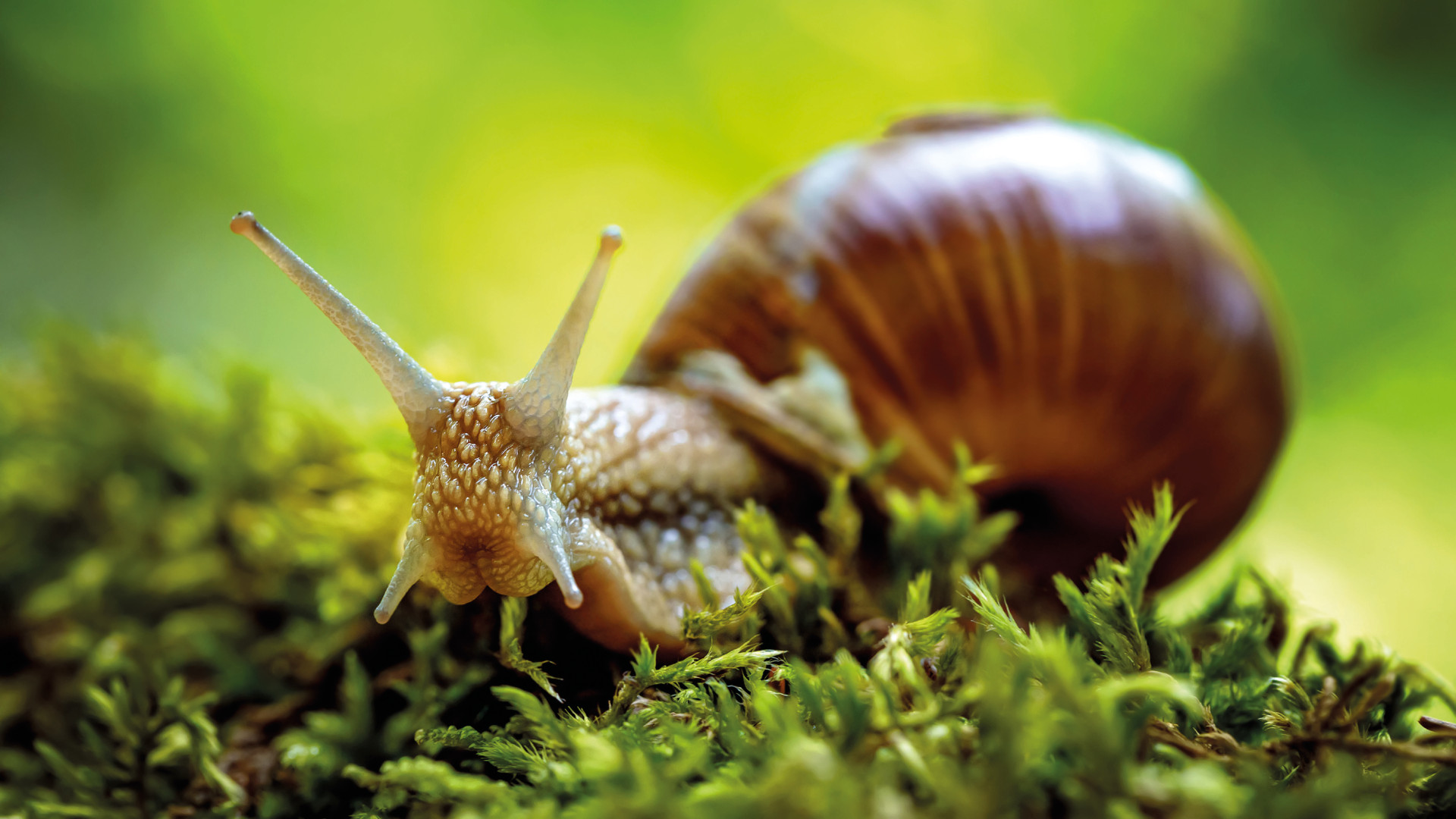
There are very few gardeners who have not experienced slug and snail damage in their garden. Both are most active after dark or in wet weather, frequently leaving their slime trails which can alert you to their levels of activity. Snails, unlike slugs, are also able to climb and can be found high up on the plants they are attracted to. Snails have their hard protective external coiled shell, but both are soft-bodied molluscs, relying on mucus to help them move and prevent them drying out.
Slugs and snails reproduce by laying eggs. They have both male and female reproductive parts and, whilst mating is their preferred reproductive method, many will self-fertilise if they cannot find a suitable mate. Snails lay batches of 300+ eggs under stones or in crevices depending on their species, with slugs laying batches of up to 50 eggs. These small, round, pearl-like eggs hatch within two to four weeks, depending on the environment and time of year. Slugs breed year-round, peaking in spring and autumn whilst snails usually breed in the spring and summer.
We know how annoying these creatures can be, but do they actually serve any purpose?
With over 40 species of slugs to be found in the UK, it is usually the nettled field slug, brown soil slug and common garden snail which do most damage feeding off live plants. Many of the other larger species will instead feed on decaying or dead plant material, fungi, even other dead slugs, contributing to the composting process helping to keep ecosystems clean.
Slugs can also aid in the process of aerating the soil as they move through it, creating tunnels. This allows oxygen to reach plant roots, crucial for the plant’s healthy growth. Some snail and slug species can pollinate wildflowers, a process known as malacophily, particularly at night or on rainy days when the insect pollinators are inactive. They can also contribute to plant diversity by dispersing seeds as they move through gardens.
Both slugs and snails also provide an important food source for creatures who are welcome in our gardens, namely hedgehogs, frogs, toads, some ground beetles and several species of birds including blackbirds, robins, starlings, owls and song thrushes who are able to crack snail shells against stones to access the snail’s soft body parts.
So, how do we keep them under control?
We have to live with snails and slugs, rather than removing them entirely from our outdoor spaces, and understanding the important role they play in our garden’s ecosystem certainly helps. Notwithstanding this, there are various ways we can work towards reducing the damage they can cause to our plants.
Attracting natural predators:
- Amphibians love to feast on slugs and snails. If you have the space, create a small pond which will also be attractive to other wildlife.
- Create toad-friendly shelters by turning over flower pots or stones in shady parts of the garden for toads and frogs.
- Encourage more birds into your outdoor space. If you plant suitable shrubs for birds to nest in, install birdhouses and add squirrel proof birdfeeders, you are likely to encourage birds to visit your garden or allotment.
- Poultry love snacking on slugs and snails so if you have the space and live in a suitable location, keeping hens or ducks may help.
Remove attractive habitats:
- These slimy pests love damp, dark and sheltered places and you will often find snail colonies under stones and piles of garden debris. Keeping the area tidier will make it less appealing.
- If you rake over soil and remove fallen leaves in autumn, the birds will be able to eat slugs and snail any exposed eggs.
- If you need to water your garden, do so early in the day rather than in the evening when they are most active. Wet soil at night can act as a highway for them between plants.
- When planting seedlings (which are the most vulnerable to attack), place fabric or mesh at the base of your pots before filling with compost so that slugs cannot gain entry from underneath. If you are planting seeds in the ground, use recycled plastic cups or cardboards tubes to make collars to protect the seedlings. Consider using barriers (see below) around the area.
Use control measures:
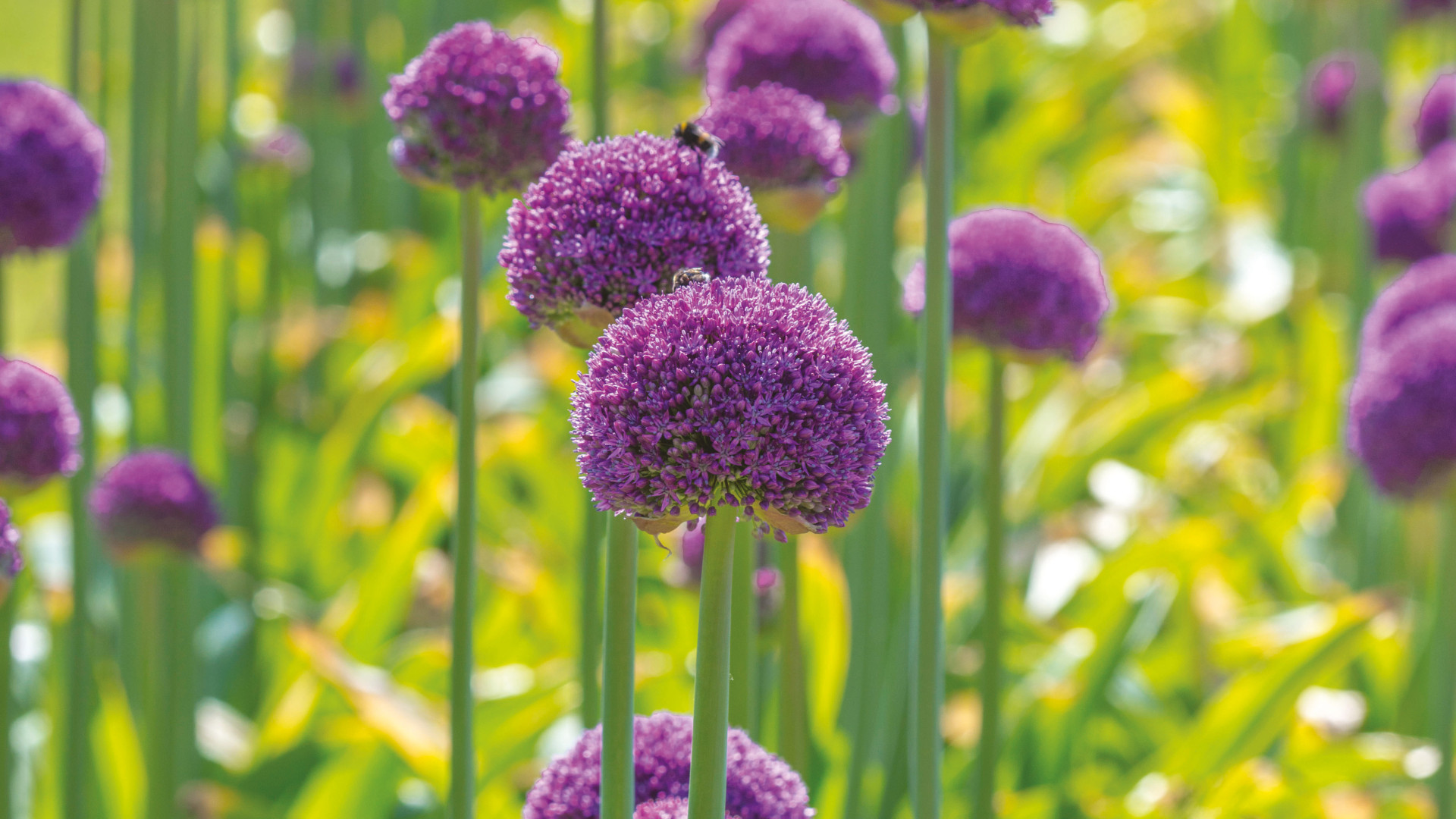
- Avoid planting certain species such as Hostas, dahlias, delphiniums, and various leafy greens like lettuce, spinach, and kale; all of which they love. You will find they will avoid plants with hairy or thick leaves and those with strong scents, such as lavender, alliums and mint. They do not attack plants with tough foliage which is difficult to chew, such as ferns, or those with toxic leaves, such as foxgloves.
- Put barriers, such as bran, around susceptible plants. Slugs love bran, gorging on it until they become bloated and dehydrated, unable to retreat to their hiding places – birds will then deal with them for you. Other barrier materials include sharp grit, cat litter, bark, crushed eggs shells and even coffee grounds which will also feed the soil.
- Create slug traps. You can use upturned half grapefruit or orange skins or beer traps. Simply sink a container in the ground with the rim level with the soil, half fill with cheap beer and cover with a loose lid to stop other creatures falling in. It is best to position such a trap at the edge of a border or veg patch so that the slugs do not munch a pathway through. You will need to check and empty regularly.
- Night-time torchlight searches carried out on a mild damp evening will reveal the slugs and snails at work. You can pick them off and place them elsewhere to enable natural predators to enjoy a feast…
- You can also use biological control specific to molluscs which will not affect other types of animals or birds. These are available as microscopic nematodes or eelworms watered into the soil.
- Finally, please try and avoid using organic slug pellets as these have negative effects on wildlife.