


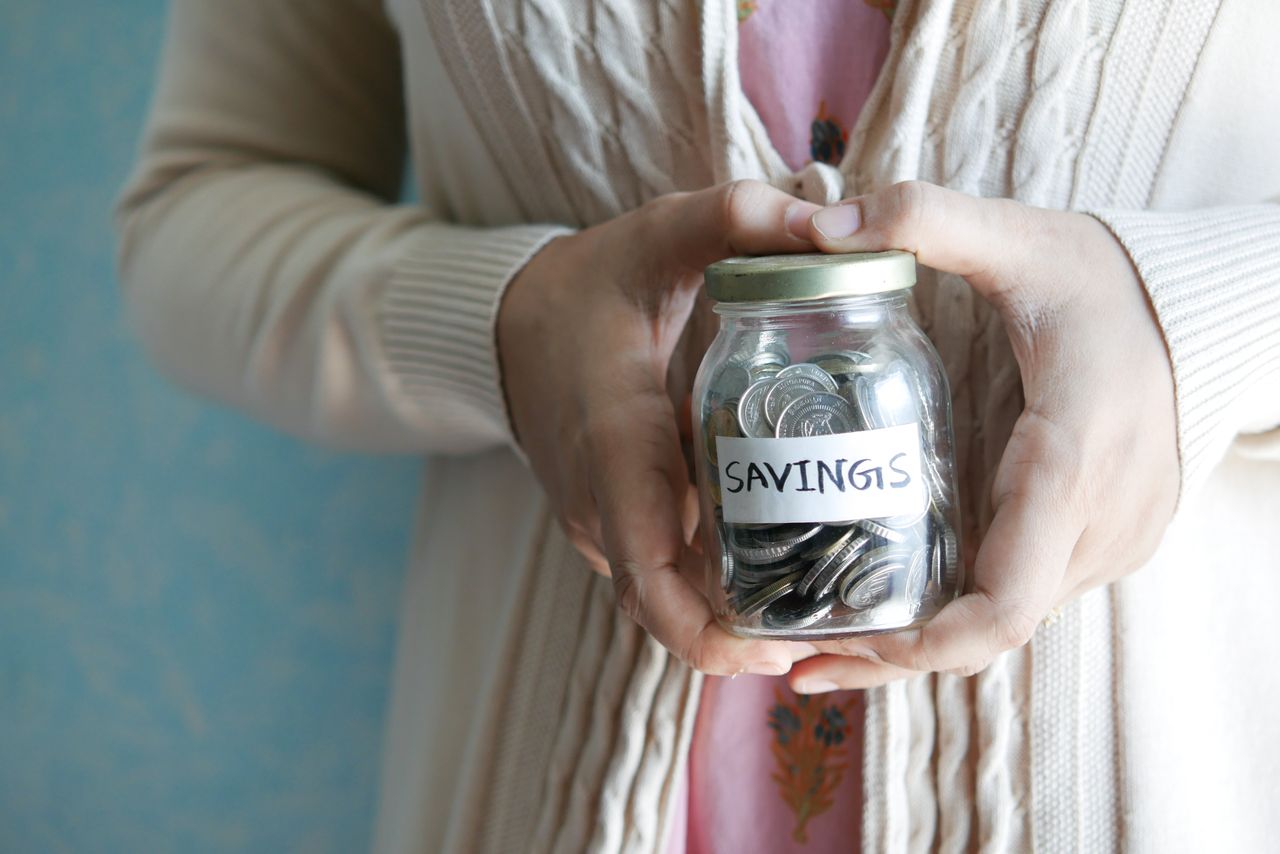

Saving money doesn’t necessarily mean having to give up everything you enjoy. If your finances could use a little boost, you can always find opportunities in places you may never have looked before. Whether you’re trying to strengthen your financial future, save for something exciting, or you simply want more money left at the end of the month, a few simple changes can make a real difference without making everyday life feel too restricted.
Sell Your Private Number Plate
If you have a private number plate that you no longer particularly want, it could be worth finding out what it is worth before letting it sit unused. A free number plate valuation can give you an idea of its potential value without requiring you to spend anything upfront. You may be surprised by what someone else is willing to pay for registration that has a particular meaning or appeal to them. Selling something you already own can be an easy way to bring in extra cash without changing your usual spending habits.
Check Your Forgotten Accounts
It is surprisingly easy to collect old bank accounts, savings accounts, digital wallets, and forgotten subscriptions over the years. You might have opened an account for a particular purpose and then stopped using it, leaving a small amount of money behind. Spend an afternoon checking your financial accounts and seeing what is still actually active. You may discover money that could be transferred somewhere more useful. This is also a good opportunity to close accounts you genuinely no longer need and make your finances easier to keep track of. You aren’t necessarily earning extra money, but finding forgotten cash can feel very similar!
Turn Unwanted Items Into Cash
Before you decide that your home needs another decluttering session, think about whether the things you no longer use could earn you some money. Clothes, children’s toys, electronics, furniture, kitchen equipment, books and sports gear can all have resale value. Instead of putting everything straight into a donation bag, separate out anything that is clean, functional, and likely to interest another buyer. Take decent photographs, write honest descriptions, and price items realistically. Even relatively small sales can add up, particularly when you have several things sitting around that you no longer use.
Give Your Regular Bills a Quick Review
You do not necessarily need to cancel the things you enjoy to reduce your monthly outgoings. Start by looking at your recurring payments and asking whether you still use everything you are paying for. Streaming services, memberships, insurance policies, phone contracts, apps, software, and other subscriptions can easily accumulate. You might also discover that a provider has a cheaper plan that would give you almost exactly what you already have. Set aside an hour to review your statements and highlight anything you could reduce, renegotiate, or remove. Once a lower monthly payment is in place, the saving can continue without requiring any more effort.
Make Your Loyalty Points Work Harder
If you regularly shop at particular supermarkets, stores, restaurants, or travel providers, check whether you have accumulated loyalty points or rewards. It is very easy to forget about them, particularly if you have several different accounts. Look at the balances and check when any rewards expire. You may be able to use existing points towards a grocery shop, family day out, hotel stay, or another purchase you were going to make anyway. The key is to use rewards on things you genuinely need or already planned to buy rather than spending more simply because an offer is available to you.
Look At Your Workplace Benefits
Looking at all available employee benefits can create savings you could never imagine. Your employer may offer perks that you have never taken advantage of before. Depending on where you work, these could include discounts, travel schemes, cashback arrangements, gym memberships, shopping offers, technology schemes, or other benefits. Check your staff portal or ask your HR team what is available. Some benefits are easy to overlook because they are not always advertised. If you already spend money on something covered by a workplace scheme, using the available discount could effectively put some of that money back into your pocket. It is worth checking before assuming there is nothing available to you.
Change Where You Shop Without Changing What You Buy
You don’t have to completely alter your lifestyle to spend less on everyday essentials. Sometimes, simply changing where you buy certain things can make a noticeable difference. Compare supermarket prices, look for own-brand alternatives, check loyalty offers, and compare prices before making any larger purchases. You can also use supermarket clearance sections for products you were already planning to buy. The trick is not to buy something simply because it is reduced. A bargain is only useful when you actually need the item. Keeping your usual shopping list while finding cheaper ways to buy it can be much easier than trying to overhaul everything at once.
Create a Small Savings Habits
If you regularly reach the end of the month wondering where your money went, saving automatically can remove some of the temptation to spend it. Set up a small transfer from your current account to a separate savings account shortly after payday. It does not need to be a huge amount. Even a small about can build into a useful financial cushion over time. You could also direct unexpected money, such as cashback, refunds, gifts, or money from selling unwanted belongings, straight into savings. Because this transfer happens automatically, you do not have to remember to do it each month and you can watch the savings start to build.
Boosting your bank balance doesn’t always mean you have to give up your favorite treats, cancel every social plan, or turn your life upside down. Start by looking for money that is already available to you, whether that comes from selling something, reducing an unnecessary payment, using rewards, or making your existing spending work harder. Small savings can become surprisingly useful when they happen regularly, so you just need to make small steps. The best changes are the ones that already fit naturally into your existing routine, which allows you to improve your finances while still enjoying the lifestyle you have worked hard to create.