

The summer holidays are meant to be ours to shape. Six weeks where the days are not set by a timetable or a screen, but by us. That should feel like a choice worth making – the opportunity to use our own good sense to create the kind of experiences a child remembers, the ones that go on to shape who they become.
No parent wishes their child anxious or unhappy. And yet children become what they see: they model us. When we are short on screen-free ideas of our own – and most of us are by the second week of August – of course there is a temptation to hand the empty hours to an algorithm that was never built with our child's wellbeing in mind.
In June the Government drew a line. It announced it will ban social media for under-16s, with the rules expected to come into force in the spring of 2027. The language ministers chose is the part worth noticing: less time for scrolling, more time for play, power handed back to parents. It is a welcome line in the sand. But a ban can only switch the algorithm off. It cannot switch play on. The space it clears still has to be filled, and filling it well is the part that comes back to us, the grown-up decision makers.
In conversations with parents, the same two sentences come up again and again. ‘I don't know what to do with them’, and ‘I can't find ideas that don't cost the earth’. This is one of the reasons I built BEBOND, so that no family is ever short of ideas for screen-free time, and plenty of those cost little or nothing at all. The part we tend to forget is this: the same screen-free time we make for our children restores us, too. It runs both ways. Time spent together is not a chore to add to the list. It becomes a wellness choice for the whole family; good for the child, and good for us.
The research here is broad and consistent, and it points to something simpler than most of us expect. What a child needs most is not a perfect activity, or an expensive one. A handful of playful themes – things to explore, things to make, things to wonder about – done together, and often enough, is how bonds are woven. Like a home-cooked meal, it is good for everyone at the table.
I am the founder of BEBOND, a Thames-Valley based family activity guide, and we are launching The Great Screen-Free Summer, a Play Menu for every day of the school break. BEBOND is based on the following framework: Bond, Explore, Build, Observe, Nurture, and Dream. Our guide is emphatically not a to-do list, and not another set of tasks to fall behind on. We can think of it as a buffet of ideas to pick and mix, shaped to the weather, the mood, personal interests, and the particular family doing the choosing.
The idea is simple. Children love to wake up to a theme rather than a list. Something familiar enough to feel safe and open enough to hold a few discoveries and surprises. A Bee Day. A Rocket Day. A day built around a single thread we can follow for an hour or for a whole afternoon; loose enough to wander down side paths, strong enough to keep everyone included.
In practice it works like this. The night before, or over breakfast, choose the day's thread together – the choosing is part of the fun. Pick three or four ideas from the play menu. Some will appeal and some won't, and those that don't can be dropped without ceremony. There is no target.
Our role as parents is not to perform or entertain without pause. It’s not to make it perfect. Mostly, it’s to be there; to follow the child's lead, to ask the next question, to let the made thing come out wonky and the plan go sideways. Children do not remember the immaculate days; they remember the days we were properly present. Above all, they remember how those moments spent together made them feel.
Bee Day Play Menu
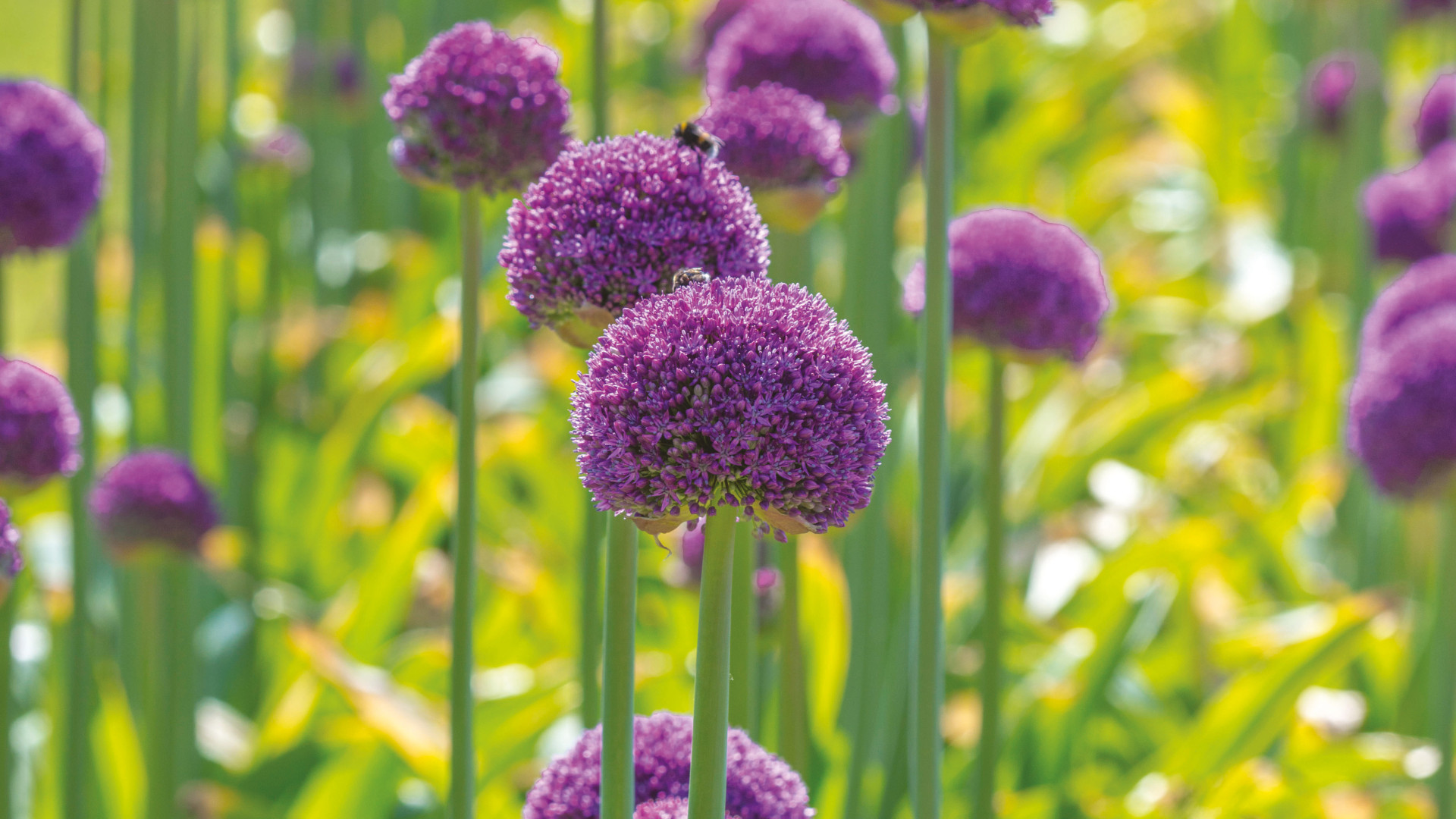
- Go bee-spotting in the garden (or the nearest patch of green) and count how many different kinds land nearby in five or ten minutes. Notice how they are different in size, in colour, even in how they sound.
- Visit the glass-sided observation hive at the Oxford University Museum of Natural History and watch a working colony up close – the queen still laying through the summer.
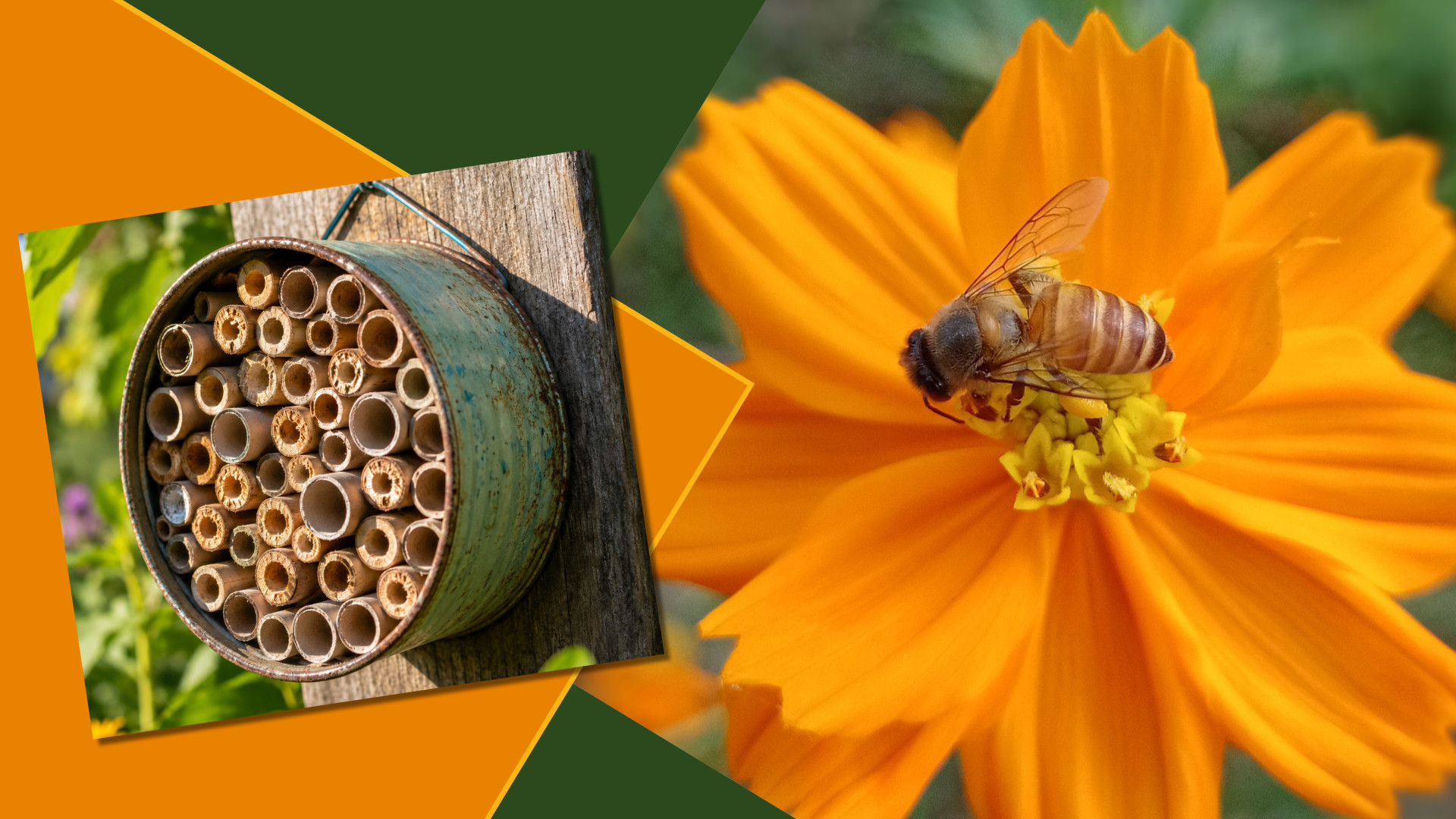
- Build a bee hotel from whatever is to hand - hollow canes or rolled cardboard tubes packed into an old tin and fixed somewhere sunny for solitary bees to use as a nest.
- Draw a day in a bee's life and let your imaginations run wild. From morning in the hive, the flowers at noon to the heavy trip home before dark.
- Plant something a bee would love – a few seeds in a pot on the windowsill will do. Some will grow quickly. Others will need more time. But they all need a daily watering ritual.
- Bake honey bread rolls together and let small hands do the sticky work.
- Before bed, imagine the bee's day tomorrow _ what one small worker among thousands would do if the rain came, or the wind got up…
None of it is complicated. Most of it costs nothing. And somewhere in the middle of a Bee Day, kneeling in the grass counting bees and wings, we grown-ups might notice our own shoulders drop; the afternoon has slowed for us too, the tension has rolled away. That is the whole idea - play is good for little ‘uns and big ‘uns alike. A single theme throws up endless questions, and most of the answers are ones we get to discover together. That is where the summer is really made: we play, we learn, we grow together.
The Great Screen-Free Summer is free to access at bebond.co. You’ll find a new Play Menu for every day of the holidays, and a place to start on the mornings when inspiration – and perhaps your patience – is running short.