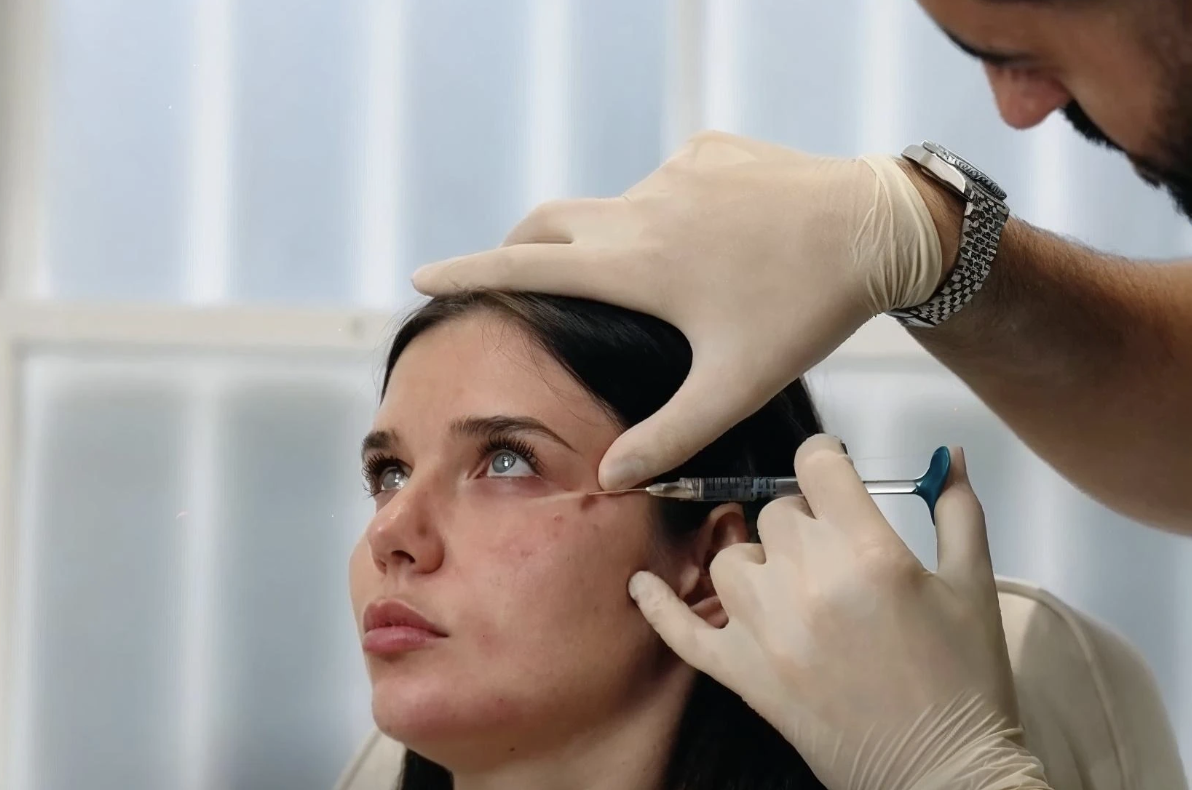

Tear trough filler is one of the more technically demanding injectable treatments. What it involves, the risks, and why the practitioner matters most.
Not every treatment available in the capital is worth leaving home for. Most of what a good London clinic offers, with the right practitioner, is available closer by too. Tear trough filler is one of the genuine exceptions, not because the product is different, but because it's one of the few injectable treatments where the gap between a skilled result and a mediocre one is wide enough to justify the trip to Mayfair.
Why this particular area is so demanding
The skin beneath the eye is among the thinnest on the face. The fat pad that normally cushions it thins with age, creating the hollow that reads as permanent tiredness no matter how much sleep someone's had. And the area carries a denser blood supply than most of the face, which is precisely why an inexperienced hand can turn a straightforward treatment into a visible problem. The filler restores lost volume with hyaluronic acid, typically placed with a fine cannula rather than a standard needle specifically to reduce trauma to such fragile tissue.
A session takes around 45 minutes under topical numbing, with results visible immediately and the area settling fully over one to two weeks. Most patients see the correction hold for 9 to 12 months.
The risks a good practitioner explains unprompted
Two complications are specific to this area, and worth knowing before booking anywhere. The Tyndall effect is a bluish discolouration that appears when filler sits too close to the surface rather than at the right depth. Vascular occlusion, rarer but more serious, happens when filler compromises blood flow given how much runs through the area. Dr Hasaneen Al Janabi, the GMC-registered surgeon and Royal College of Surgeons member who has treated over 10,000 patients at his practice Dr Hass Clinic, frames careful, precise placement as preventing both issues outright, not managing them afterward. If correction is ever needed regardless, hyaluronic acid filler dissolves with an enzyme called hyaluronidase within days.

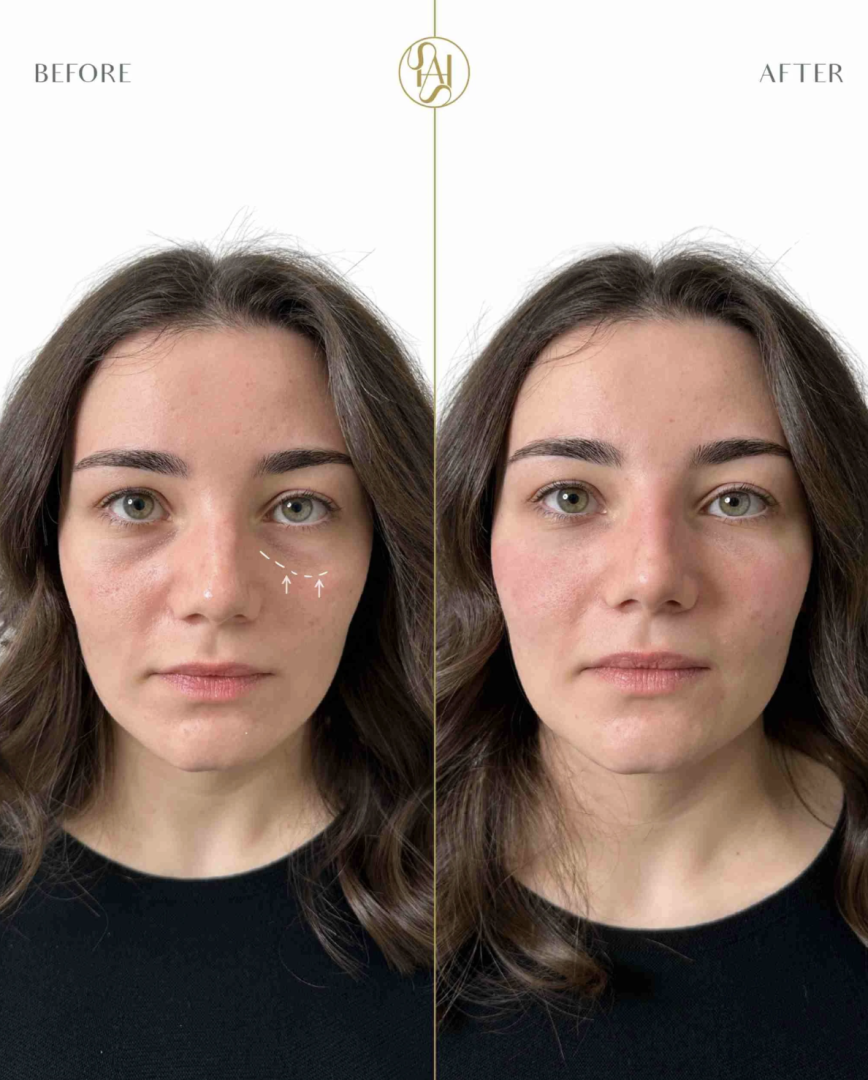
Not every under-eye complaint is the same problem
What separates a good consultation from a rushed one is whether the practitioner distinguishes volume loss, which filler treats well, from puffiness caused by excess skin or fat, a different issue that sometimes needs a surgical approach instead. Treating every under-eye concern with the same syringe is how results end up disappointing.
Is it worth the trip?
The calculation here is less about convenience and more about the margin for error in an area this unforgiving. This clinic in particular, based in Mayfair, has built its reputation specifically around precision in this procedure, which is the kind of specificity worth factoring in before deciding where to go, wherever you're travelling from.