


People have been playing gambling games for well over a thousand years, although there is evidence of prehistoric people playing dice games as far back as 3000BC or 5000 years ago. The first organized casinos as we know them today opened some 600 years ago. So what is the enduring appeal of these games of chance?
Well, despite many people knowing the house always wins, gambling is hugely popular worldwide in 2026. The global business was worth an estimated £500 billion in 2025. That popularity is down to a variety of psychological reasons this article will explore, from fallacies and biases to people who are driven to find success in risky endeavours.
A Brief History of Gambling Games is Informative
The first gambling games there is widespread evidence of were played in Ancient China, thousands of years ago, with people betting on fighting animals and athletic competitions. By the 9th century playing cards had appeared, although they took a few hundred years of travelling across the globe before they took on the form recognizable to casino fans today.
Lotteries were also popular in Ancient China, Greece, Rome and other civilizations of antiquity. However, most gambling was informal and conducted between groups of players rather than in an organized fashion.
The first casino as understood today - gambling games provided in one place by a "house" that takes a profit - appeared in Italy in 1638. Around this time horse racing also took off in Europe among the aristocracy, and wagering was associated with the sport from the start.
By the 1900s casino gambling was widespread across Europe and North America. The 1980s saw the establishment of the archetype of the modern mega casino resort in Las Vegas, a model that hasn't quite made its way to British shores yet. The early 2000s brought in online gambling at scale. A business in which the UK was somewhat of a pioneer in both its development and eventual regulation.
Humans are Natural Pattern Detectors - Even When They're Not Real
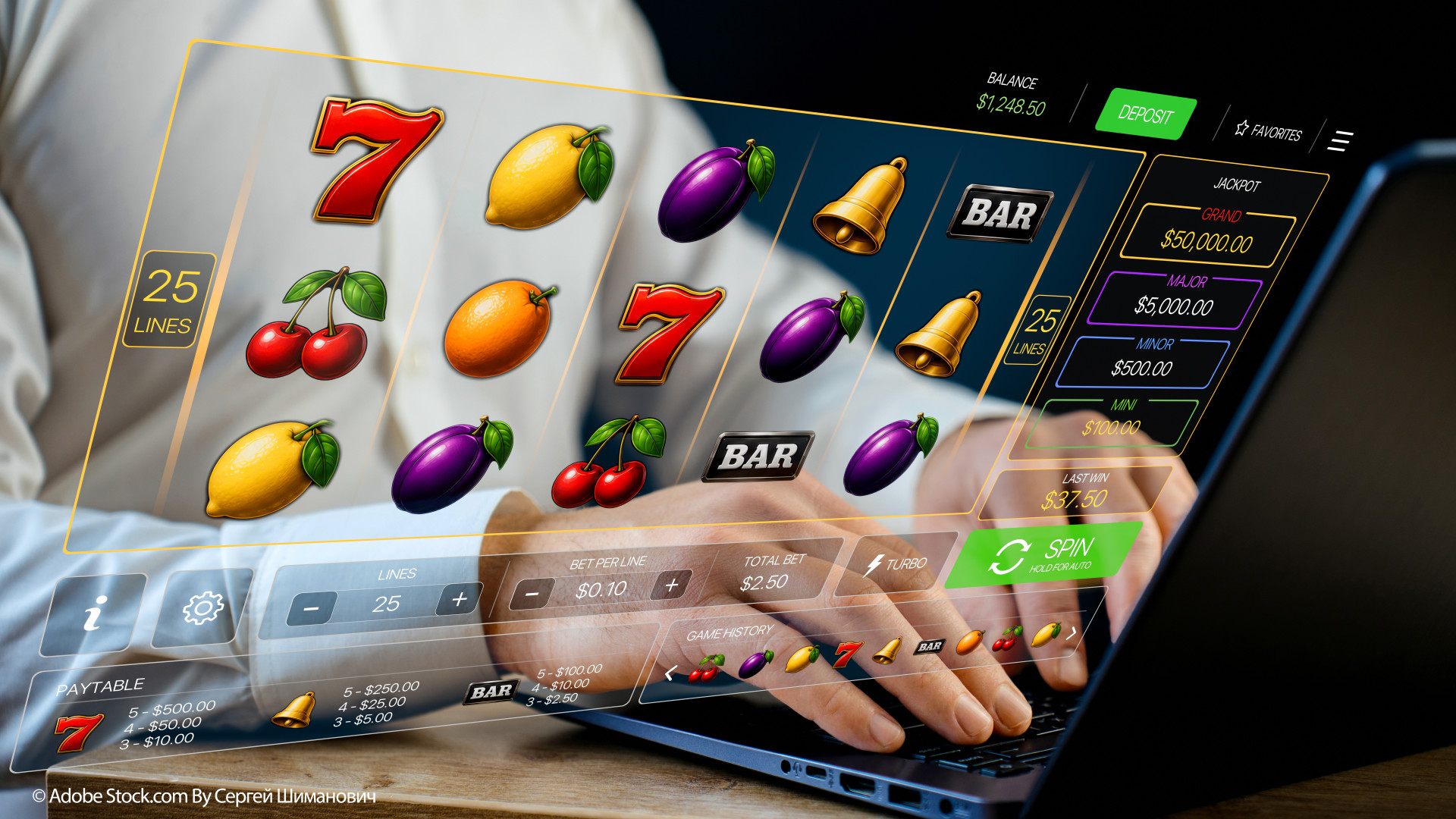
Which brings us all the way to the modern day. A time where you can play online casino games from a device you keep in your pocket. Top UKGC-licensed operators will have literally thousands of games to look through, from fully luck-based slots to classics like live blackjack or casino poker with elements of skill.
A randomized mechanism like a slot machine pull, or even a draw from a deck of cards, is not something that would occur in nature. Our human brains are very good at picking out patterns, because that helped our ancestors survive in a chaotic world. Patterns mean stability and comfort, so we seek them out.
However, it doesn't help many of us fold pocket Jacks in poker against a big bet on a board with two aces. Your opponent probably has an ace. But how unlucky (for you) is that? Surely not...
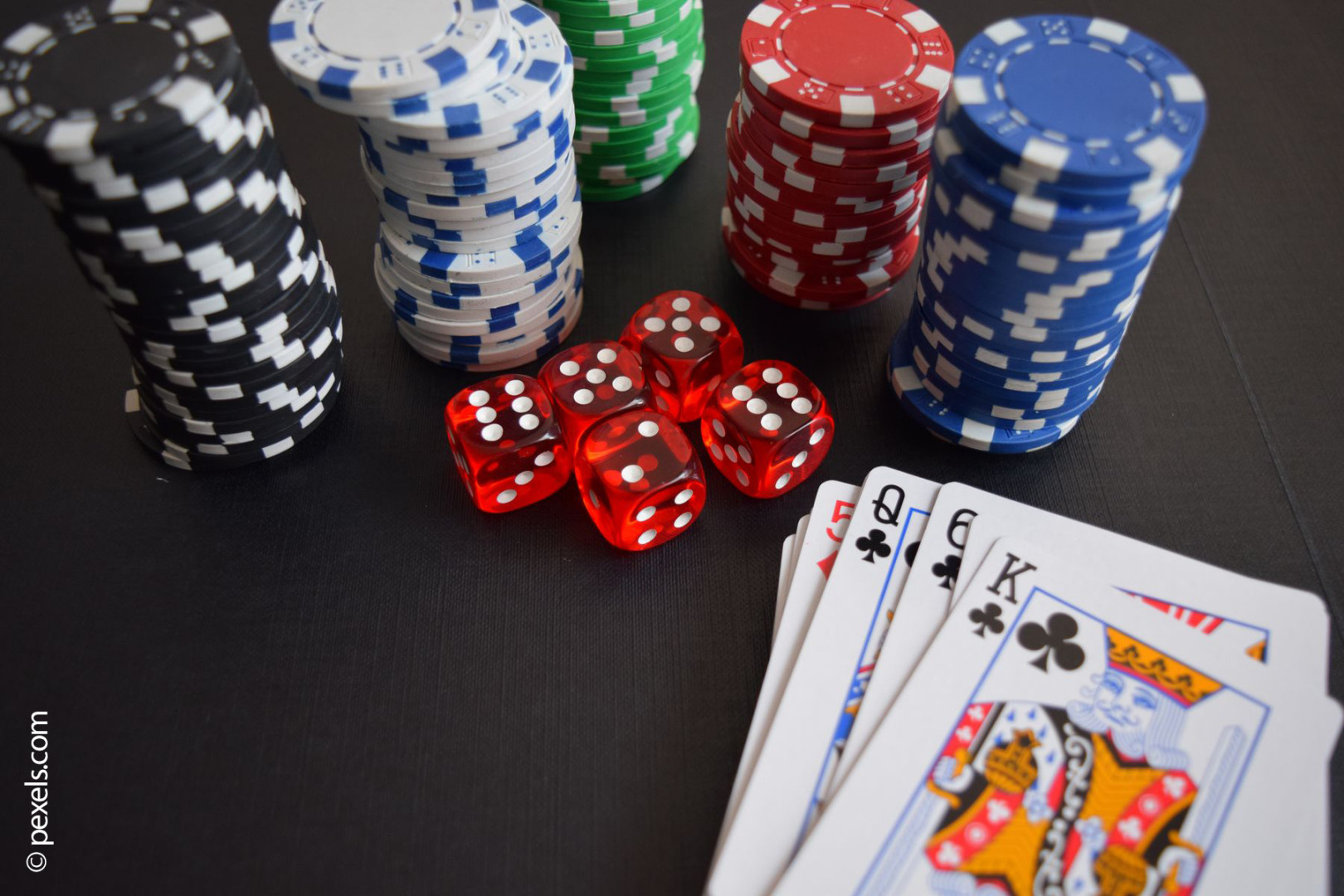
Or consider roulette. The ball has hit red five times in a row now - it's got to be due on black right? Dead wrong. A true random event, over a small sample size, is never guaranteed to follow any pattern, because the previous events have no influence on the outcome of future events. The classic gambler's fallacy.
Another version of this is the hot hand fallacy. This is believing your lucky streak will continue for whatever reason, when statistically it's the same chance as not.
In poker this can be seen in winner's tilt, where players start making worse decisions on a winning streak because they subconsciously feel they're getting lucky. In the short term it could work, but this is deceiving because it will end up for the worse over long term play.
Both the gambler's fallacy and the hot hand fallacy are examples of our brains seeing patterns and turning that into a story we tell ourselves. Which has helped us take over the planet in a way no other species ever has - but for individuals in the modern day can be a double edged sword.
The Illusion of Control and Skill vs Chance
In 1975, psychologist Ellen Langer studied people's decision making in games of chance, and realized that a surprising number of people behave as though their choices can influence outcomes of things that they absolutely cannot. She called this The Illusion of Control.
Lucky numbers. Choosing lucky clothes. Pre-game rituals or superstitions. All of these things make absolutely no demonstrable difference to where the roulette ball lands or what card comes out of the deck. If they did, casinos would have gone bankrupt before they ever got started. Yet lots of people persist in them anyway.
On the other hand, a game that requires skill you might see some benefit from pre-game rituals. Top level poker players often recommend practicing meditation and other calming techniques before a big game, where decisions can have fortunes on the line.
Gambling and Luck in Art, Literature and Philosophy
The fact that pure blind luck, especially well encapsulated in gambling, can have such a big impact on the development of human lives has proved fertile ground for philosophers, artists, writers and other creative minds over the centuries.
Dostoyevsky's The Gambler, written about a man who cannot resist the lure of the roulette table to take away all his troubles, is considered a classic of 19th century literature, although not necessarily the great writer's most beloved work.
One philosopher even turned the subject of religion into a gambling thought experiment. Blaise Pascal's famous Wager asks why one should or should not believe in God given the answer often rests on faith. However, the question is broadly about making decisions when you cannot know the outcome, and how to decide which may be worse or better.
Centuries later Frederick Nietzsche asked the question - can we love our fate? The gambler may always be thinking about past outcomes, when they might be better served by trying to accept it and move on.
The Modern Question - Chance or Luck?
All these philosophical debates on luck and chance aren't just in the realm of the theoretical however. Deciding where chance ends and luck begins (or vice versa) can be a real thorny question for governments, regulators and even people and companies offering gambling services.
Is poker the same as casino gambling under the law? How about the lottery? Sports betting? Prediction markets? What about even the stock market or investing in Bitcoin?
The varying levels of skill and chance in games can be part of determining whether or not it is gambling, which can be a multi-billion pound question in the modern global market.
Those are societal questions. Ones that may need answering sooner rather than later. For the individual gambler however, it is also important.
You can make the right decision in a blackjack or poker game, and still come out the loser. Someone who has never played a casino game before can walk in, and win a jackpot on their first slot spin (yes that has really happened).
Gamblers should ideally understand that the roulette wheel, the deck of cards and the dice are independent of any action you take and are out of your control. You shouldn't define yourself as either lucky or cursed with bad luck - simply play for entertainment and what you can afford.
In a world that is increasingly complicated, our tendency to look for patterns can lead us to attribute gambling outcomes to something other than what it is - pure chance. However, another part of the enduring appeal of gambling is that chance doesn't care about the past, and any flip could change it all. If you're lucky.