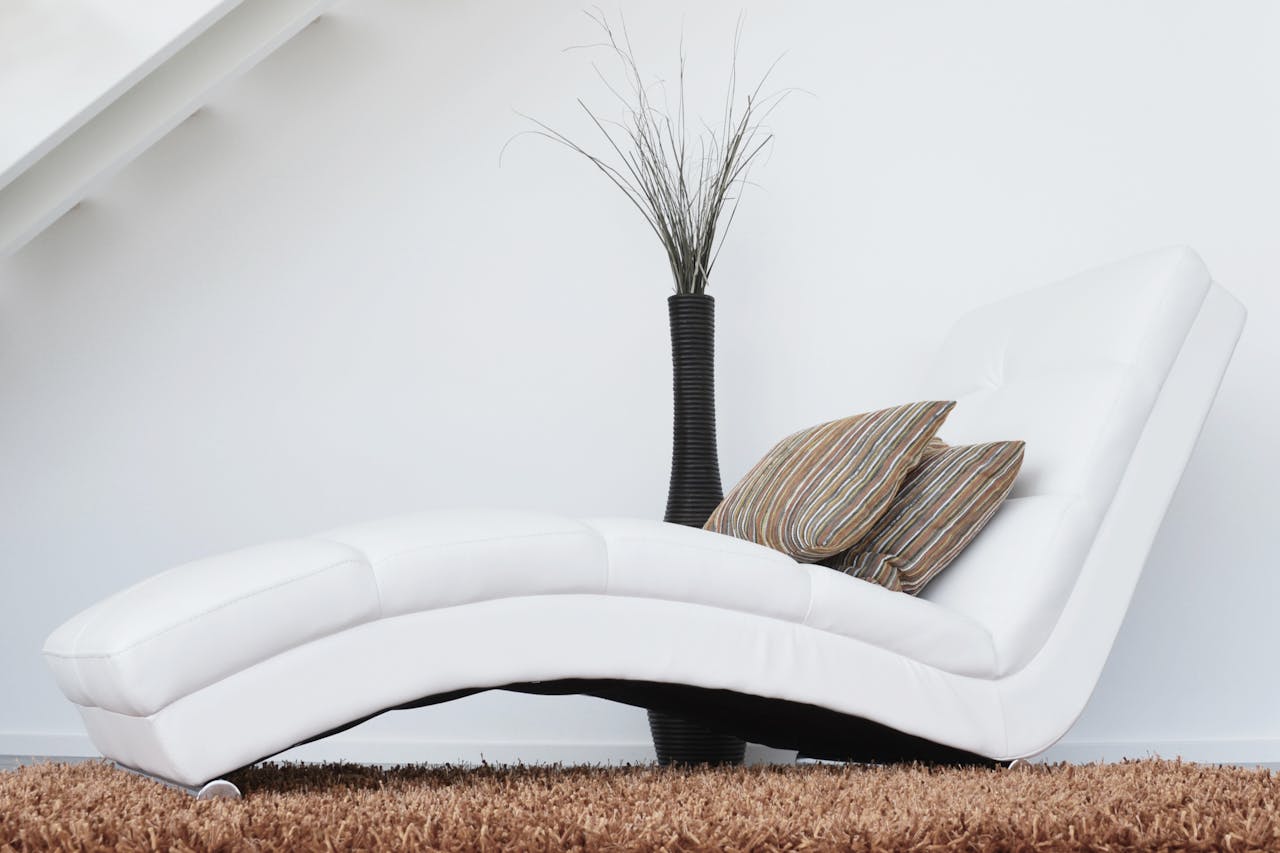

Contemporary culture has shifted dramatically toward valuing comfort over formality in nearly every sphere of daily life. What once signalled casualness now represents a deliberate choice that prioritises wellbeing and authenticity. This transformation extends from fashion runways to workplace dress codes, hospitality design, and even the digital spaces where people spend their leisure time, including entertainment platforms and gaming environments.
Digital environments reflect the comfort shift
This recalibration of values reaches into virtual spaces where people seek entertainment and relaxation. Digital platforms have responded by streamlining experiences, reducing friction, and prioritising user autonomy over rigid structures.
Players seeking gaming environments outside traditional regulatory frameworks often gravitate toward platforms such as casino not on GamStop alternatives that emphasise accessibility, flexible account management, and fewer procedural barriers, reflecting broader preferences for self-directed experiences with minimal external intervention and straightforward navigation.
These platforms often feature simplified registration processes, diverse payment options, and reduced waiting periods. The appeal lies not in avoidance but in streamlined access. Users appreciate environments that respect their time and autonomy, mirroring the comfort-first philosophy reshaping consumer expectations across sectors.
From status symbols to personal ease
For decades, luxury meant conspicuous consumption. Designer labels, stiff tailoring, and elaborate accessories defined social standing. Status was something worn visibly, often uncomfortably. The expectation was simple: endure discomfort to project success. But something fundamental changed as generational attitudes evolved and traditional hierarchies loosened their grip on cultural norms.
Today's affluent consumers increasingly reject rigid formality. Cashmere loungewear commands premium prices. High-end trainers outsell polished leather shoes. The message is clear: comfort no longer signals laziness or low ambition. Instead, it reflects confidence secure enough to reject performative discomfort. People want to feel good in their own skin, literally and figuratively.
Hospitality reimagines guest experiences
Hotels have abandoned the stiff formality that once defined luxury accommodation. Five-star properties now feature lobby seating designed for lounging rather than brief perching. Dress codes have relaxed. Room designs emphasise soft textures, ambient lighting, and intuitive technology over ornate furnishings that prioritise visual impact above practical comfort.
High-end establishments compete on how effortlessly guests can settle in. Keyless entry, personalised climate control, and blackout curtains that actually work matter more than marble columns or crystal chandeliers. The new luxury is frictionless, anticipating needs without intrusive service rituals that demand constant guest performance.
This shift reflects deeper changes in how people define a successful getaway. Rest has become the ultimate goal, not impressing other guests or collecting photogenic moments. The hospitality sector recognised this transition and adapted accordingly, investing in genuine comfort rather than theatrical grandeur.
Workplace culture abandons performative professionalism
Corporate environments once demanded visual conformity. Suits, ties, polished shoes, and rigid posture signalled seriousness and commitment. Comfort was reserved for weekends. But remote work accelerated a transformation already underway, forcing companies to reconsider what truly drives productivity and employee satisfaction.
Many organisations discovered that relaxed dress codes and flexible schedules improved morale without harming output. Employees working from home demonstrated that comfort and professionalism coexist. The old assumption that discomfort equals dedication collapsed under scrutiny. Performance metrics replaced appearance-based judgments.
Even traditional sectors have loosened standards. Law firms permit business casual. Financial institutions no longer mandate ties. The symbolic uniform of corporate life is dissolving as organisations prioritise retention and wellbeing over outdated signalling mechanisms.
Fashion embraces the athleisure revolution
The fashion industry initially resisted comfort-focused design, viewing it as antithetical to aspiration. But consumer demand eventually overwhelmed traditional aesthetics. Athleisure emerged not as a trend but as a permanent category, blurring boundaries between activewear and everyday clothing.
Luxury brands now produce elevated loungewear, premium knitwear, and sophisticated sneakers. The runway still features dramatic pieces, but commercial collections reflect what people actually want to wear: garments that move with the body, fabrics that breathe, and silhouettes that accommodate real human proportions rather than idealised forms.
This transformation signifies more than style evolution. It represents a cultural renegotiation of what bodies should endure. The rejection of restrictive clothing parallels broader movements toward body acceptance and mental health awareness. Fashion finally acknowledged that beauty need not require suffering.
Technology designs for intuitive interaction
Digital interfaces increasingly prioritise ease over feature density. Overstuffed menus and complex navigation structures are giving way to streamlined designs that anticipate user intent. The most successful platforms make technology feel invisible, reducing cognitive load and decision fatigue.
This philosophy extends beyond aesthetics into fundamental architecture. Apps now remember preferences, automate repetitive tasks, and offer sensible defaults. The goal is effortless interaction, eliminating unnecessary steps that once signalled technical sophistication but actually just frustrated users.
Voice interfaces, biometric authentication, and predictive algorithms all serve the same purpose: reducing friction. Technology that once demanded user adaptation now adapts to users. The comfort revolution in digital design mirrors physical-world changes, prioritising human ease over system requirements.
Social expectations relax across contexts
Informal communication styles have spread beyond casual settings. Emails adopt conversational tones. Business meetings begin without rigid protocols. Social gatherings permit early departures without elaborate excuses. The performative aspects of interaction are fading as authenticity gains currency.
This relaxation does not signal declining standards but evolving ones. Respect and consideration remain paramount, but the specific rituals demonstrating them have become more flexible. People increasingly value substance over ceremony, genuine connection over choreographed politeness.
Younger generations especially reject performative social norms they perceive as hollow. They prefer environments where they can present themselves authentically without constant self-monitoring. This preference shapes everything from workplace culture to entertainment choices, creating sustained pressure for institutions to adapt.