


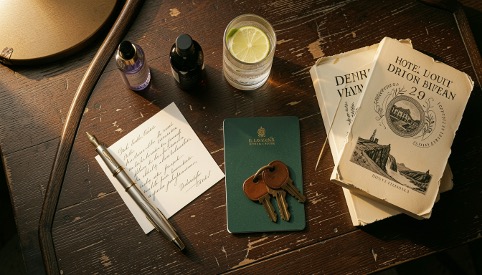

At 11:45 PM, a curious metamorphosis takes hold of a countryside hotel. The polished veneer of professional hospitality evaporates, leaving you alone with the gentle hum of an ancient mini-fridge and the realization that the night is officially yours. While most guests treat this hour as a signal to retreat under duvets, the seasoned solo traveller understands that the real weekend begins exactly when the barman turns the key in the lock downstairs.
When room service is finished and the local town goes quiet, your smartphone becomes the primary bridge to entertainment. To keep the evening’s spark alive without losing your peace of mind, exploring low-stakes £3 deposit casinos serves as a brilliant, lightweight option to test your luck before turning in for the night. Beyond digital pastimes, the secret lies in mastering the art of high-end solitude.
Mastering Your Private Sanctuary
A hotel room is rarely just a place to sleep. It is a set design for your own temporary life. Before you succumb to the lure of the television, you must curate the atmosphere. Dim the overhead lights until they stop looking like an operating theatre. Open a sash window to let the Cotswolds dampness or the salt-tinged Devon air settle in. Your goal is to erase the clinical feeling of a transient guest and replace it with the lived-in comfort of a proper local.
To settle into the role of a temporary resident, follow these simple rituals:
- Empty your suitcase entirely, because living out of a zip-up bag is the mark of a tourist, not a resident.
- Hunt down the hotel stationery; there is a certain quiet power in using a fountain pen on heavy, branded paper that no email can match.
- Inspect the bedside table, as previous guests often leave behind dog-eared paperbacks that feel more honest than any official guidebook.
The Art of the Curated Evening
Once your space is prepped, you need a rhythm. Avoid the default trap of mindless social media scrolling. If you are in a stone-clad cottage hotel, lean into the mood with slow rhythms and the scent of lavender soap. If you are on the English Riviera, look for brighter notes—perhaps a gin and tonic mixed with the slightly dubious bottled water provided.
Try these low-fi diversions to sharpen your mind:
- Read a chapter of Agatha Christie or Wodehouse, letting the local geography bleed into the plot.
- Draft a postcard to a friend who actually appreciates the inconvenience of handwritten notes.
- Conduct a brutal audit of the room’s amenities, critiquing the velvet upholstery and the quality of the local toiletries with the gravitas of a Michelin critic.
- Curate a personal soundtrack—ambient jazz or late-night classical—that matches the creak of the floorboards.
Finding Value in Solitude
True staycation perfection relies on your ability to observe the strange nuances of a hotel. Every building has a personality, from the way the air smells in the hallways to the specific angle of the mirror in the bathroom. When you remove the pressure to socialize, you start to notice the architecture of the house. You cease to be a mere consumer of hospitality and become a witness to the hotel's midnight life.
When you finally turn out the lights, you will have achieved something rare. You will have mastered the transition from a public guest to a private resident. It is not about the thread count or the proximity to the coast. It is about the luxury of having nowhere else to be. By the time the morning sun hits the stone walls or the waves below, you will feel entirely reset. You have not just stayed in a hotel. You have lived in it.