

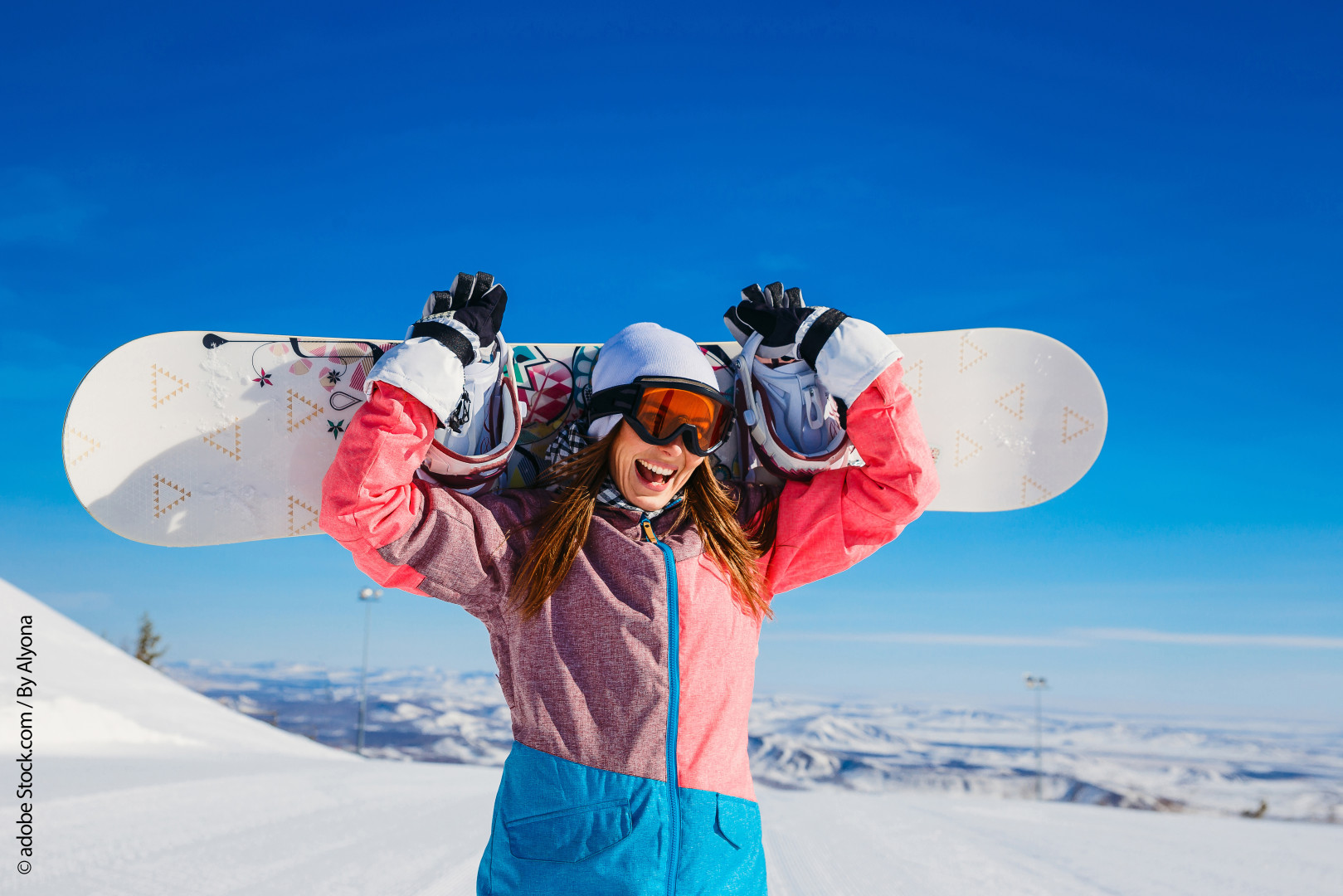

With ski season on the horizon, plenty of Oxfordshire households are booking a week in the Alps, and a fair few of them are wondering whether this is finally the year to swap two skis for one board. It's a tempting idea, but snowboarding has a reputation for a steep and rather bruising learning curve. A little preparation closer to home can make a remarkable difference.
Why the first few days are the hardest
The first couple of days on a snowboard are widely considered the hardest of the lot. Unlike skiing, where beginners can shuffle about and snowplough their way to a stop, a board locks both feet together and asks for balance, edge control and a fair amount of nerve from the outset. That's a lot of expensive lift passes to spend sitting in the snow, which is why a growing number of holidaymakers are choosing to take a few snowboard lessons on an indoor real-snow slope before travelling. Arriving at a resort with the basics already in place means more time actually riding and far less time recovering.
What beginners learn first
Most first sessions begin with stance. Riders are either regular, with the left foot leading, or goofy, with the right foot leading, and it's surprisingly common not to know which until an instructor checks. A quick test is to notice which foot you instinctively step forward with when you lose your balance.
Next comes learning how to fall safely, which is arguably the most useful skill of all. Beginners are taught to keep their arms tucked in and fists closed rather than putting out a hand, since wrist injuries are among the most common snowboarding knocks. It can feel a little odd to practise, but it pays off quickly.
From there, the progression is steady. Learners slide on the heel edge, then the toe edge, and then move on to the falling leaf, a side-to-side drift down the slope that builds control before linking proper turns. Around six sessions is a reasonable estimate for a complete beginner to feel genuinely comfortable, although everyone learns at their own pace. Children tend to pick it up faster than adults, largely because they're less inclined to overthink it.
The case for indoor slopes
Indoor real-snow slopes offer conditions that are hard to find on a mountain. The snow is consistent, the gradient doesn't change from one visit to the next, and there's no fog, wind or flat light to contend with. There are no chairlift queues in a biting breeze, and instructors can see and hear their group clearly throughout.
Convenience plays a big part too. Sessions can fit into a weekday evening or a weekend morning, which makes it much easier to book several lessons close together while technique is still fresh. That repetition is what really builds muscle memory, and it's something a single week abroad rarely allows for a first-timer.
A surprisingly good workout
Snowboarding is more physically demanding than it looks. It works the thighs, glutes and core, along with the small stabilising muscles around the ankles and knees. Many beginners are taken aback by how tired their legs feel the following morning. Building a bit of strength and stamina in advance means those first days on the mountain are far more enjoyable, and there's less risk of fatigue leading to a tumble late in the afternoon.
Some simple exercises at home can help, too. Squats, lunges and planks all target the muscles snowboarding relies on, and a few weeks of regular practice before a trip can make a noticeable difference.
Learning together
One of the nicest things about beginner group lessons is how levelling they are. Groups often include a real mix of ages and backgrounds, from teenagers to retirees, all starting from the same point. That shared experience tends to make lessons sociable and encouraging, and it's a good option for families who want to learn side by side before a holiday. Parents and older children can progress together, which means nobody is left waiting at the bottom of the slope once the trip comes around.
What to wear
Boards and boots are usually provided for lessons, but clothing is worth thinking about. Waterproof trousers are essential, as beginners spend a good deal of time sitting or kneeling in the snow. A warm but not overly bulky mid-layer allows for easier movement, and proper waterproof gloves will keep hands dry during the inevitable falls. One pair of long, thin socks is better than two thick pairs, since bunched fabric inside a snowboard boot quickly becomes uncomfortable. A helmet is always recommended.
Arriving ready to ride
The real benefit of preparing in advance shows up on the mountain. Beginners who've already mastered stopping, turning and getting on and off a lift can join ski school at a higher level, explore more of the resort and spend their holiday making progress rather than starting from scratch. It also takes much of the anxiety out of the first morning, which is no small thing when standing at the top of an unfamiliar run.
For anyone who's always fancied giving snowboarding a go, the months before ski season are the ideal time to start. The mountains will still be there in January, and they'll feel a great deal more welcoming with a few sessions already under the belt.