


In 2023, IKEA surveyed over 37,000 people across 37 countries and found nearly half felt their homes no longer matched how they actually wanted to live.
Nearly half. That's not a generational quirk. That's a structural breakdown in what people expect from the spaces around them.
What changed isn't taste. It's priorities. The home used to be somewhere you returned to at the end of the day. Now it's somewhere people spend the entire day, and they want every part of it, including the bit outside, to actually work.
The Home Has Changed
For most of the twentieth century, home improvement meant kitchens and bathrooms. Those were the rooms that sold houses and reflected a certain kind of status. The garden was either a weekend project or someone else's problem.
That logic collapsed somewhere around 2020. People suddenly had the time to look at their outdoor space properly, maybe for the first time ever.
What they saw, in most cases, was wasted potential. Not a design failure. Just space that had never been asked to do anything.
When people start paying attention to something they own, expectations tend to follow quickly.
Gardens as Lifestyle Extensions
The shift is cleaner than most trend cycles. A garden used to say something about you. Now it's expected to do something for you.
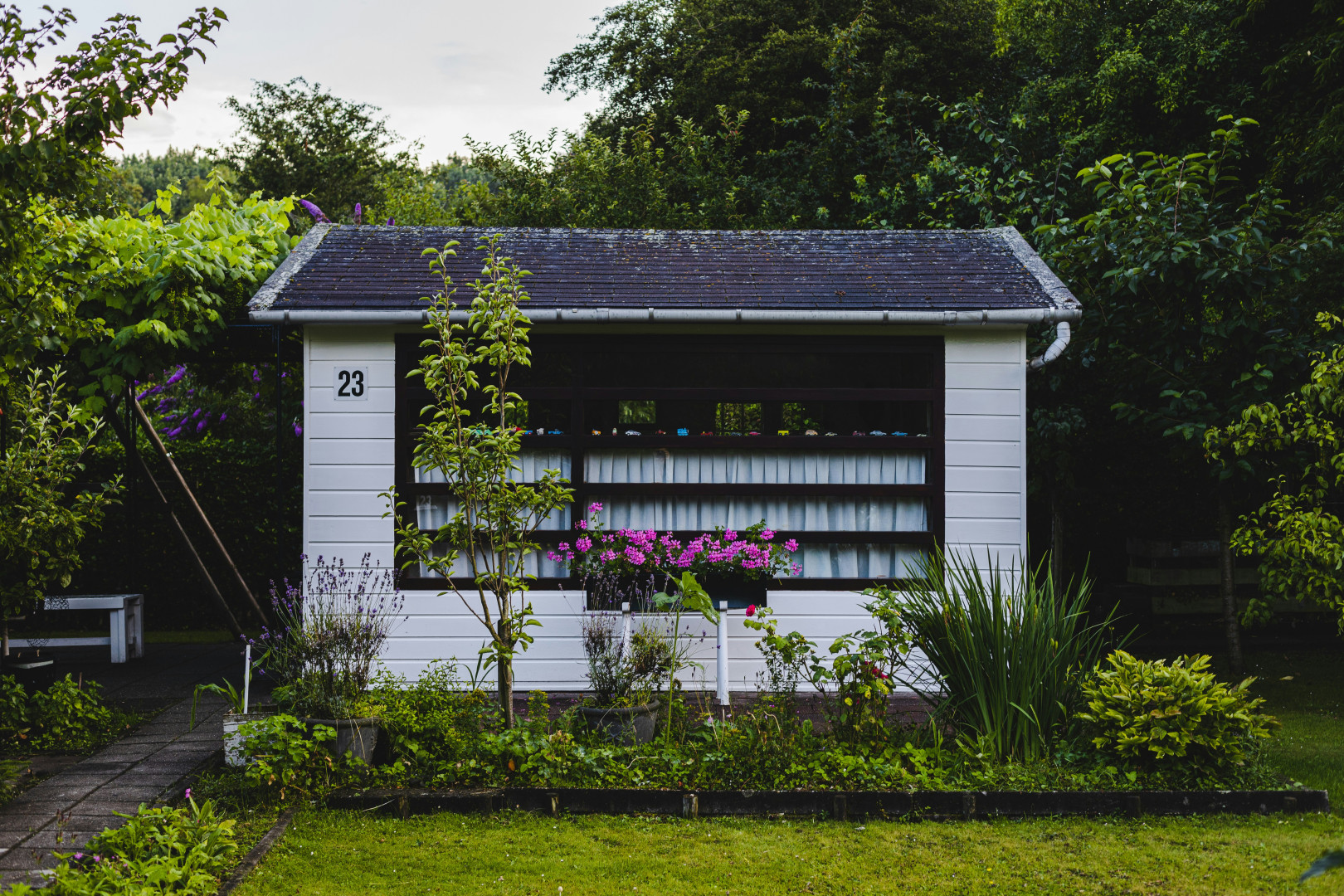
People are building a corner garden room and using it as a dedicated workspace, creative studios, or a genuine quiet retreat from the noise of shared living. The appeal isn't simply extra square footage. It's psychological separation.
Being twenty feet from the house but genuinely elsewhere in your head. That boundary, small as it physically is, turns out to be worth quite a lot.
Meals out here. Work calls out here. Kids sprawled across the lawn rather than another screen. The outdoor area has stopped being seasonal and started being structural.
Natural Materials and Why They Hold Up
Homeowners have gotten more specific about what they want from materials. Not just what photographs well, but what holds up honestly over five or ten years without demanding constant attention.
Timber keeps winning because it earns its character. It weathers. It tells you something about the seasons it's been through.
There's something almost counterintuitively appealing about a material that doesn't fight aging, that shifts with the environment rather than resisting it.
Sustainable sourcing matters more than it did five years ago too. Traceability has become part of the conversation.
The preference for organic textures isn't purely aesthetic. It reflects a broader instinct to choose materials that are honest about what they are and where they came from.
Designing for Every Season
British weather is the perennial excuse. Designers heard it for decades and eventually stopped accepting it.
The outdoor spaces that genuinely get used year-round share a few things: solid overhead cover, heating that's been properly integrated rather than dropped in as an afterthought, and lighting that makes a wet November evening feel worth sitting in.
None of that is complicated in principle. Executing it well is harder than it looks.
That's where a wood fired hot tub shifts the whole calculation. It gives people a reason to go outside when the temperature drops and the sky closes in.
The ritual around it, the process of heating it, the contrast of cold air against hot water, that stops being a luxury feature. It becomes the actual reason the garden gets used during the months it otherwise wouldn't.
Wellbeing and What the Garden Actually Delivers
There's a lot of noise around wellness right now. Cold therapy, contrast bathing and nervous system regulation. Some of it is genuinely useful. Some of it is marketing with a thin scientific coating.
But the underlying logic holds: your environment shapes how you feel on an ordinary Wednesday morning, whether you're thinking about it or not.
A wooden cold plunge in a garden setting is genuinely different from a wellness centre membership. It's there at 6 am without a commute, without booking ahead, without anything that creates friction between the intention and the habit.
Sitting next to a heated outdoor space, you've essentially built a recovery environment into daily life without leaving home. People who use them describe it less as a feature and more as something they end up organising the morning around.
That kind of integration, something that quietly reshapes daily behaviour, is what good design is supposed to do.
Property Value and Lifestyle Appeal
Estate agents aren't subtle about this anymore. Outdoor spaces with actual function and defined zones are separating comparable properties in ways that kitchen renovations used to.
Buyers arrive at viewings with clearer ideas about what a garden should offer than they had five years ago.
If your outdoor space already answers those expectations, you've saved the buyer a project. That matters more than people realise. There's been a broad shift away from buying potential and toward buying something ready to live in immediately.
The caveat is always location. Context shapes what outdoor functionality is actually worth. But the pattern holds broadly: a garden that works adds value in ways a garden that merely exists simply doesn't.
What Comes Next
The next phase of outdoor living isn't about scale. Nobody is chasing bigger. The direction is adaptability. Structures that shift function across seasons.
Materials chosen for longevity rather than immediate visual impact. Planting that maintains itself rather than requiring a professional every spring.
Low-maintenance is becoming a genuine design value rather than a compromise people settle for. People want outdoor spaces that feel considered without needing to be constantly managed.
Outdoor Space Is Where Home Life Lives Now
The garden used to be where the house ended. It's becoming somewhere closer to the centre of daily life. Where mornings start, where evenings slow down, where ordinary routines happen in a different kind of light and air.
That isn't a design movement with a name and an expiry date. It's people, separately and quietly, deciding the space outside the back door deserves far more than they'd been giving it. That decision, once made, tends to be permanent.