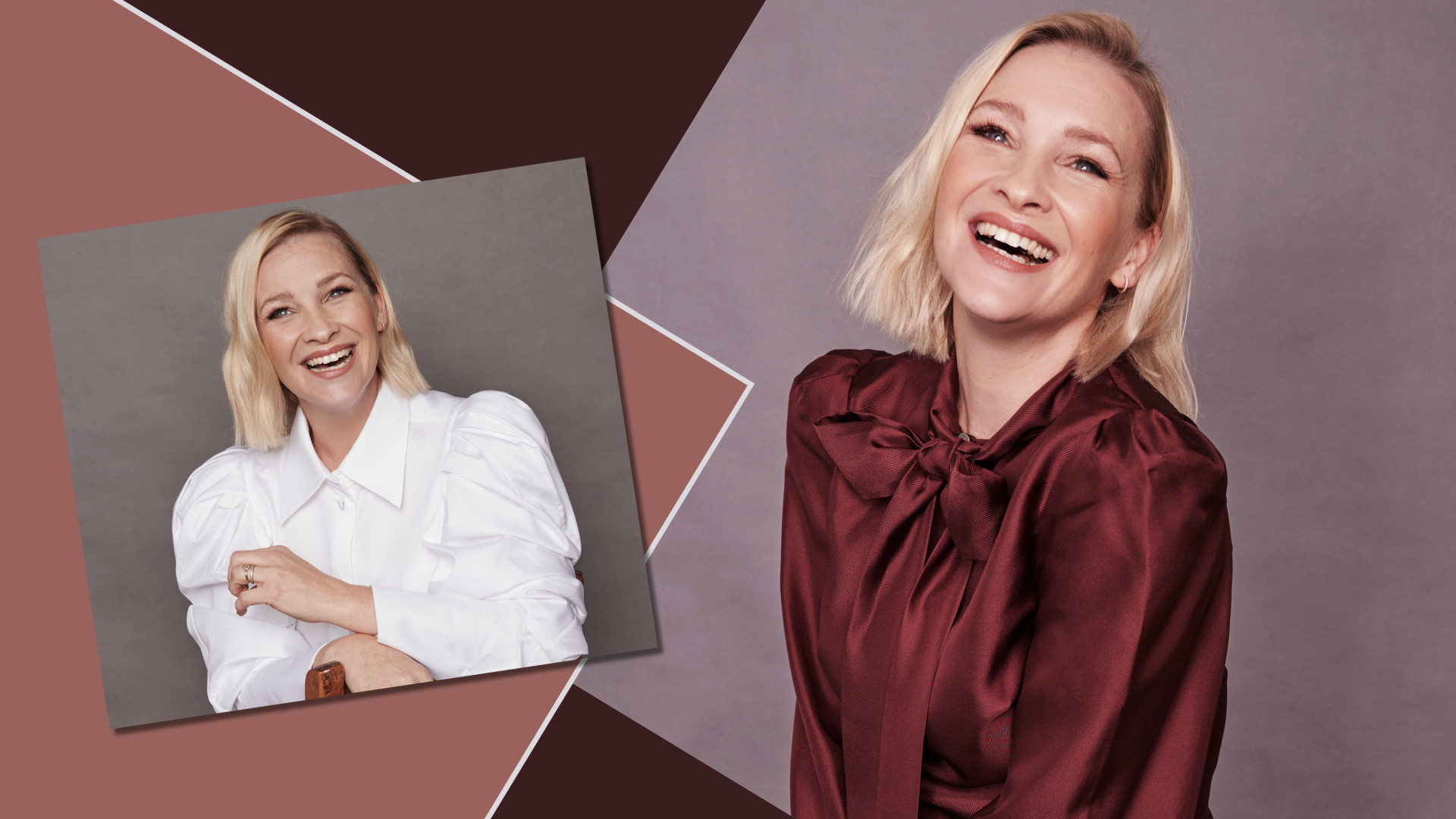


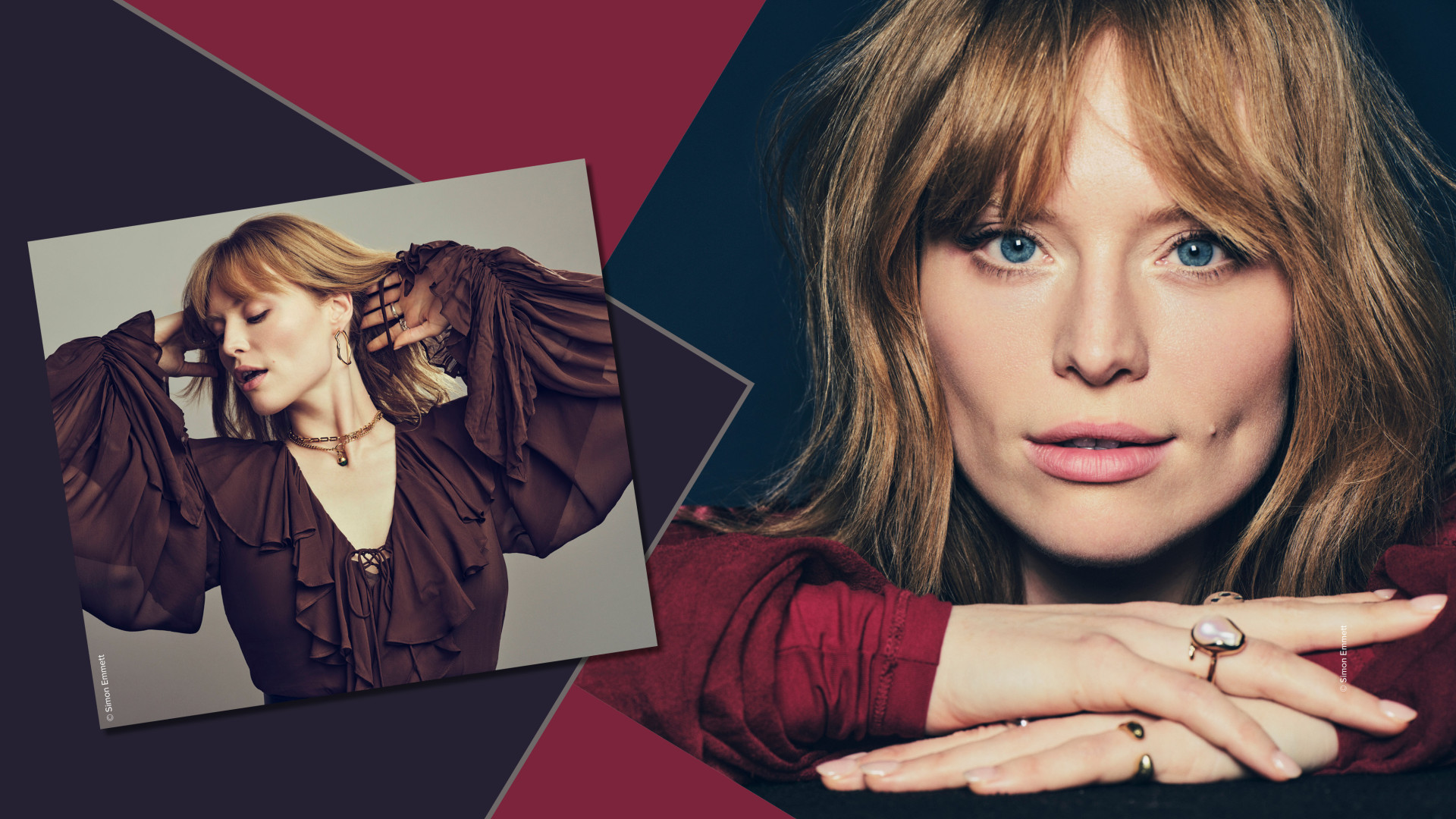
Freya Ridings is a gorgeous, effervescent delight to interview. Elven, with a flame of red hair and dancing blue eyes, she’s disarmingly sweet and honest. She’s also funny, smart as a whip, and has a core of true grit, songwriting talent and determination.
Her adored dad is jobbing actor Richard Ridings – you’d recognise him – and her mother is the playwright Cathy Jansen Ridings. Born in Tottenham and raised in Palmers Green, she comes from humble beginnings. She never stops counting herself lucky to do what she loves, although she has more than paid her dues and made much of that luck herself. She is equally grateful for the love, support and sacrifices her family made to help her creative journey.
Freya Ridings’ self-titled debut, largely written at home and recorded with her friend Ollie Green, earned her a Brit Award nomination with whopping ballads such as Lost Without You and the pop masterpiece Castles. It spent half a year in the UK Top 40 in 2019.
Following that success, she was pressured by her record company (read: bullied) into creative compromises that ‘broke her spirit’ while making the follow-up, Blood Orange (2023); a toxic experience that almost led to a full-on breakdown.
Freya then embarked on a major career reclamation. The turning point came when she discovered her management team had blocked a collaboration with US producer Jen Decilveo. In rebellion, she bought her own plane ticket to Los Angeles, met with the producer, wrote new material, road-tested it in small LA cafés and ultimately signed a new deal with BMG, resulting in her new album, Mother of Pearl which came out this May. Drawing heavily on her Celtic heritage, the album celebrates reclaimed feminine power while remaining both upbeat and vulnerable.
You went to the famously progressive St Christopher School in Letchworth – what was it like?
I went to a primary school on the rough side and was bullied; kicked downstairs, punched – it was horrible. My grandmother said, ‘I don’t have much in savings, but I’d love to use it to send you somewhere you’re not attacked every day.’ She also bought me my first piano because we couldn’t afford one; I later wrote Lost Without You and most of my first album on it. Her belief in me changed my life.
I went to St Christopher when I was nine. I was incredibly shy and barely spoke, but I wanted to make my grandmother proud. One lunchtime I found the piano room, made friends with the cleaner and she gave me a key. I wanted to connect with people but struggled, so instead of telling a friend stories, I’d tell the piano and sing my heart out.
Then I saw a poster for an open-mic night. I’d written my first song at nine, about being ostracised and bullied. I sang it and found my voice in front of other people. I thought, right, this is what I’m going to do. I was 11.
Then you went to the BRIT School?
Yes. I found out about the BRIT School when I was about 12 and was desperate to go after my GCSEs. It was a huge commitment; my family had to remortgage the house. We had mattresses on the floor, no furniture and no Wi-Fi for two years, and my brother was home-schooled. It was a real sacrifice, so when I got in I thought, I’m going to give it everything. I went to every audition after school, even those that weren’t for me. Playing bigger stages and seeing what a show actually entails was invaluable.
What happened afterwards – how were you spotted and how did you make the first album?
I’d learned guitar from my dad and found piano lessons hard because my dyslexia meant I couldn’t read music, but I’d been playing North London pubs since I was 11. After I left, I kept doing that for three years. I couldn’t afford to record demos, so nobody would sign me, and I became quite adrift; I even thought about giving up.
A friend from the BRIT School was working at a record label that was bored with its acts. He said, ‘My friend is all right,’ and they said, ‘Bring her in.’ I told them I had no demos, but they had a broken-down piano Tom Waits had left behind, with no sustain pedal; the quietest piano you’ve ever heard. I played Lost Without You and was signed on the smallest deal ever. I was thrilled to be able to pay my phone and contact-lens bills.
Ollie and I became close friends. He was sleeping on the studio sofa, and we decided to fight to make the deal work. His belief in me and the way he championed me lit something in me.
How essential has gigging been in shaping your music and sound?
It’s essential, because you don’t always know what’s good. It’s a conversation between you and the fans, especially when you’re starting out in a pub and can see why certain songs connect. It’s a living, breathing thing.
My dad believes in songcraft and used to leave songwriting books around the house. Music always came easily, but I had to work at lyrics. Playing local pubs helped, but it didn’t happen overnight - it takes 15 years! Twenty! I love it. Whether I play to two people or 20,000, I play the same.
Lost Without You was played on Radio 1 and catapulted you to a wider audience. What was that like?
It massively took me by surprise. It was the best I’d ever felt. I had a team and a community; something I’d been looking for since childhood: proper camaraderie and friendship. I was so grateful it had worked after all my family’s sacrifice and for everyone who had championed me. The fact I get to do this is still a privilege and a joy.
On your second studio album, you were forced into musical directions and collaborations you weren’t happy with. How did that loss of agency affect you, and how did you recover?
It was awful; literally the worst time of my life. They were trying to make me something I wasn’t, and it left me completely out of control. Worse, they said the success and connection had only happened because of them; it had nothing to do with me. But it came from the fans and the songwriting I’d spent 20 years crafting. I felt heavily undermined, and there was a level of misogyny I’d never experienced. It lit a fire of rebellion: I knew I had to fight, so I wrote songs about it and sang them very loudly.
It took making Mother of Pearl to recover. In many ways I enjoyed making Blood Orange but hated the production. Making music I’m proud of again is incredible; I’ve got back to who I am and recovered my resilience. Finding a label and team who genuinely champion me took time.
I’d worked in Los Angeles on and off for eight years, and wrote Castles there with Dan Nigro, before his work with Chappell Roan and Olivia Rodrigo. I wanted to escape and soak up the creative energy I’d found in Silver Lake. That community’s friendship and kindness brought me back. I went with nothing emotionally and returned with a lot of fight.
You’ve tapped into your Celtic heritage for inspiration on Mother of Pearl. Has that redefined you and your music?
It was more a return to myself. The Irish language was once banned, and the only way you could use it or tell stories in an unthreatening way was through song. Song became a Celtic tool of connection and rebellion at a time when people weren’t allowed a voice. That’s how I felt. Trying to be too pop was a problem; I’ve always been an indie Celtic singer-songwriter. I’m leaning back into that, and it feels like coming home.
It must be wonderful to return to the stage with an album you love and feel completely in control of?
It’s the best. I love getting on stage because it’s raw human connection; there’s nowhere to hide, in the best possible way. The fans catch me, and it blows my mind: it’s why I still do this. This album is cinematic but emotional, and I think it will translate beautifully to bigger stages. I’m playing the Royal Albert Hall on 5 October. That has always been my dream.
Mother of Pearl is a call to action for you and for others who need to find their voice. What advice would you give young female singer-songwriters?
Learn songcraft and storytelling but also spend time with yourself. Other people will have strong ideas about what you should do; you need to stand firm and be true to yourself.
Freya Ridings will be on the main stage at Big Feastival on Sunday 30 August. Joining her in the lineup is Bastille, The Streets and Basement Jaxx along with top chefs including Masterchef presenter Anna Haugh, Guardian food writer Meera Sodha, and Michelin-starred Tom Barnes. Comedy comes courtesy of, among others, Joel Dommett and Harriet Kemsley. For tickets and further information, visit bigfeastival.com.