


Sustainability, ‘the avoidance of the depletion of natural resources in order to maintain an ecological balance’, is frequently talked about but are we, as gardeners and allotment holders, doing our bit to make our outdoor areas sustainable and does it cost a fortune to change the way we garden?
When you start researching steps that can be taken, many of them just involve a different way of caring for our gardens, ensuring that we use the right products, look for ways of encouraging wildlife and insects and select more suitable plants with care. There are many ways to garden more consciously and here are just a few.
GET WATER SMART
One of the first steps we should take is to think about our water sources. Use grey water from sinks and baths dispensed into watering cans, rather than letting it run down the drain. It can be used around trees and plants but perhaps not edible ones.
According to Thames Water “up to 85,000 litres of rain fall on your roof each year” so installing a water butt is essential to becoming water smart. To keep this water clean consider using products such as a Gutter Mate diverter and filter and a Microbial Disc to help your harvest water remain free of debris or bacteria.
Remember also to water your garden when it is cooler; first thing in the morning or in the evening once the sun has dipped. Water at the plant base rather than wetting the foliage; not only will this get the water into the roots, but it also prevents diseases such as blackspot on roses.
Consider installing a drip-feed irrigation system around your borders and into hanging baskets; this can be put onto a timer clock to go on automatically. Although our lawns can turn yellow after long periods without rain, avoid putting the sprinkler on it. Lawns soon recover when it rains and sprinklers use as much as 1,000 litres an hour – equivalent to the water used by a family of four in two days.
Remove weeds as they compete with plants for water and nutrients and use organic mulches such as wood chips, organic compost or straw to retain soil moisture and suppress weed growth, applying mid to late spring whilst the soil is moist following winter rains.
WORK WITH NATURE
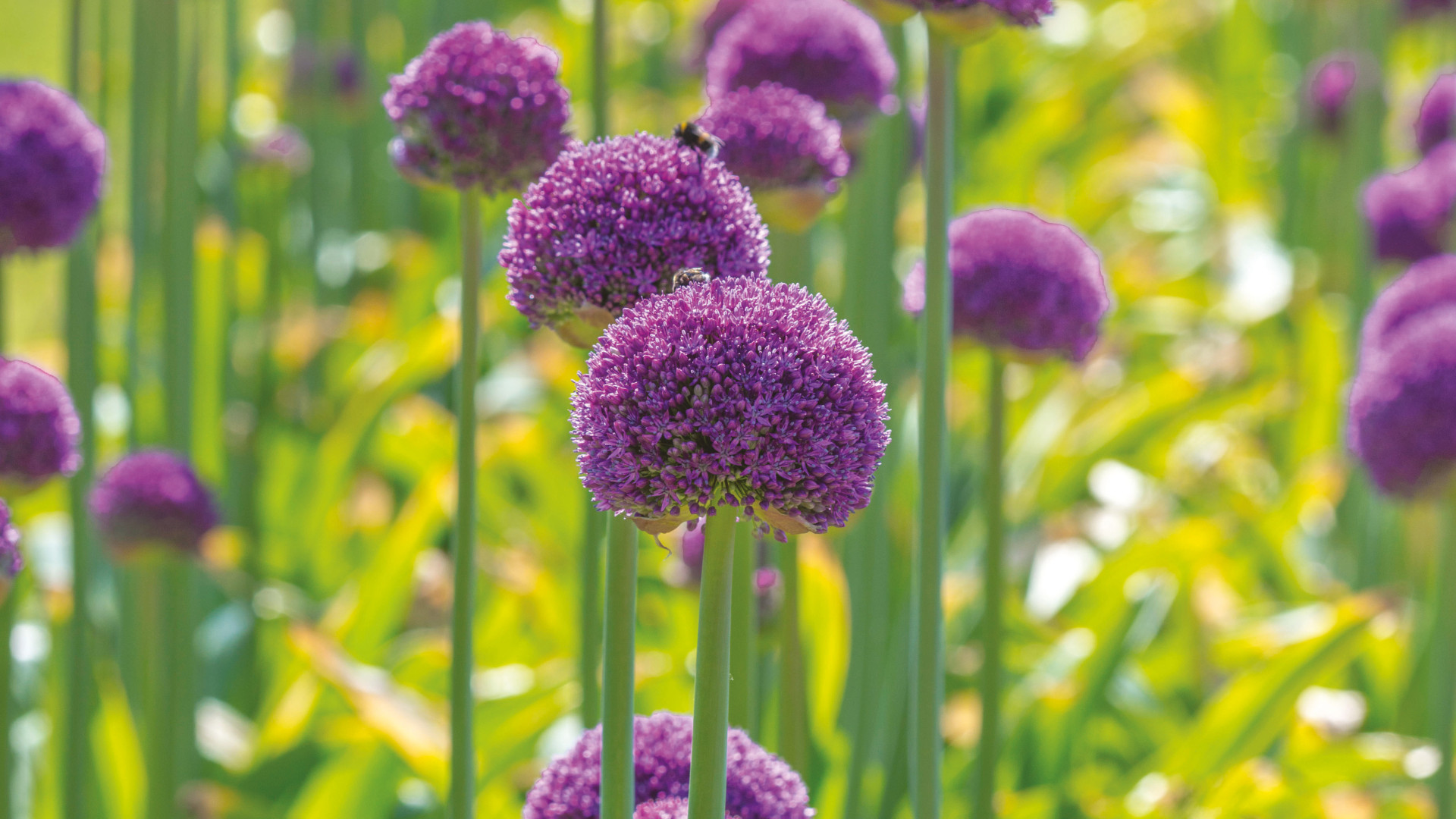
Grow the right plant in the right place and work with nature, not against it. Select plants which suit our unpredictable weather conditions, especially periods of dry weather in summer, and have colour to attract pollinators. Flowers like echinacea, nepeta and verbena suit these conditions, look fantastic and are magnets for pollinators too. Native wildflowers are a good choice too, as they do not require rich soil; they provide a wonderful riot of colour when in flower and often produce seeds which the birds can enjoy. Choose smaller specimens so they can adapt to their growing environment slowly as they develop. Remember to add organic matter to the soil and around the planting hole to help retain moisture and improve soil quality and mulch once planted.
GROW YOUR OWN
If you like having cut flowers in your home, select plants from which you can cut blooms instead of buying imported flowers from abroad. Alternatively find local flower growers so you can buy seasonal blooms. You can also grow herbs on windowsills, tomatoes in hanging baskets and runner beans in pots. Salad crops will happily grow in planting troughs.
NATURAL BOUNDARIES
If you need to create a garden boundary, consider native hedging as an alternative to wooden fences. Whilst they take time to grow, hedges not only provide a shelter for wildlife and birds but also assist with cleaning our air and capturing carbon. Many hedging plants flower and some offer berries, too. If you choose bare root plants from a local grower, native hedge plants are less expensive and have a smaller carbon footprint.
PLANT A TREE
Find a space in your garden to plant a tree. Many native trees such as crab apple, silver birch and blackthorn are also drought tolerant and provide wildlife havens once established. Trees not only help to improve air quality, but they add structure to an outdoor space and long-term can provide shade and privacy. They also provide food and shelter for insects, birds and other wildlife.
LEAVE YOUR LAWN
No Mow May has become a popular annual event when lawns are left to grow to encourage wildflowers to grow. However, leaving areas of lawn wilder during the remainder of the year will give space for beneficial daisies, clover, buttercups and dandelions. All offer food, shelter and a breeding ground for insects that the birds and hedgehogs will eat. If you do need to buy a new lawnmower, opt for an electric model, either corded or battery powered, which do not emit damaging fumes unlike petrol mowers. The battery-operated machines use lithium-ion batteries which have a long life up to five years, reducing impact on the planet.
NATURE’S BEST
If you need to use weedkillers, fertilisers and pest control in your garden or allotment, avoid using harmful chemicals which are also dangerous to human beings. White vinegar can kill weeds and organic fertilisers, such as seaweed, dried blood fish and bone meal and poultry manure pellets, can be bought in garden centres. You can also make your own fertiliser by steeping comfrey or nettles in water in a covered container for a few weeks. A rich, dark liquid will be created, which can be further diluted in a watering can. Comfrey liquid fertiliser is rich in potassium promoting flowers and fruits including tomatoes.
HOSPITABLE HABITAT
Although you may not have space for a wildlife pond, making water available for birds and other creatures, especially in extreme weather will reap rewards. Just a small low dish filled daily with clean water even in the winter will be appreciated by birds and hedgehogs, especially if it is placed near a tree or plants which provides safe cover for anything visiting the water source.
SHOP LOCAL
Oxfordshire is blessed with many companies producing gardening products with a sustainable heritage. Here are a few favourites.
Echo Garden Oxford: Produced to limit adverse effects on the environment whilst aiming to support local wildlife and countryside. There is a selection of recycled and ethically sourced products available at their Ecom Eco-Friendly Product Store, suitable for rural and urban dwellers alike. ecogardenoxford.co.uk
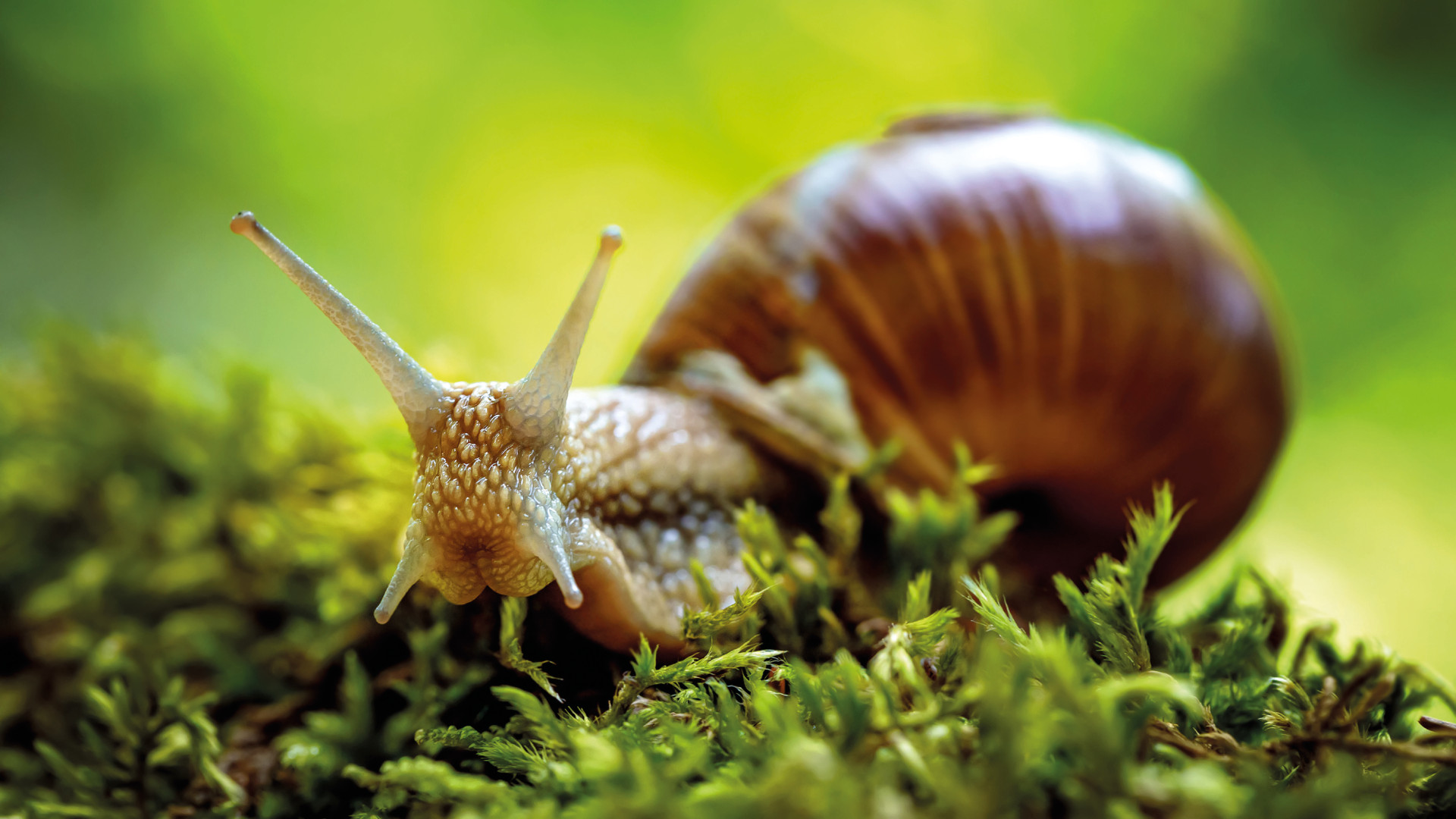
Gardening Naturally: Just over the border into Wiltshire, this is the place to visit for effective natural pest control alternatives. Slug Nematodes are the most effective natural pest control to rid your garden of slugs. These microscopic, transparent worms are safe to use around children, pets and wildlife. Nemotodes are found naturally in the soil, you are just topping up the numbers. Moreover, vine weevil's feed on a wide range of ornamental plants and fruits, especially those grown in containers. The adult vine weevils eat leaves and the grubs eat roots. Vine weevil nematodes seek out and kill the Vine Weevil larvae. Best applied when the larvae are active which is late spring and early autumn. gardening-naturally.com
Oxford Wood Recycling: Abingdon based, OWR sell a range of recycled wood. From time to time, they also run courses to expand your skills and make items such as bird nesting boxes or a hedgehog house using upcycled materials. oxfordwoodrecycling.org
Oxley’s Garden Furniture: Originally based in Chipping Norton but now based in Blockley near Moreton-in-Marsh, for over 30 years Oxley’s has been making luxury garden furniture from recycled aluminium, constructed to last for generations. Their furniture is sustainable, guaranteed for life, weatherproof and made unique to each customer.. Look out for the elegant Celtic-inspired scroll design, and also the Octavia collection which was formed in collaboration with the National Trust and named after Octavia Hill, one of the founding members of the National Trust. This design was inspired by a detail from an 1872 pen and ink drawing of an herbaceous border by the 19th century garden designer Gertrude Jekyll. Customers can visit their premises by appointment oxleys.com