



Cosmetic bonding is increasingly recognised as a practical way to enhance smiles without extensive procedures or downtime. Despite its popularity, several myths persist regarding its effectiveness and the natural appearance it can provide. This article addresses common misconceptions, presents facts and offers essential guidance for those considering this treatment.
Cosmetic bonding appeals to those interested in subtle changes without invasive dental work. Many people turn to this technique when they want to refresh their smile ahead of social occasions or career opportunities, as it provides conservative and efficient results. Individuals often consult a cosmetic dentist Berkhamstead to discuss the suitability of cosmetic bonding, considering factors such as affordability, convenience and the preservation of natural tooth structure. Knowing the benefits and limitations of this treatment helps ensure your expectations are aligned with achievable outcomes.
Understanding what cosmetic bonding involves in practice
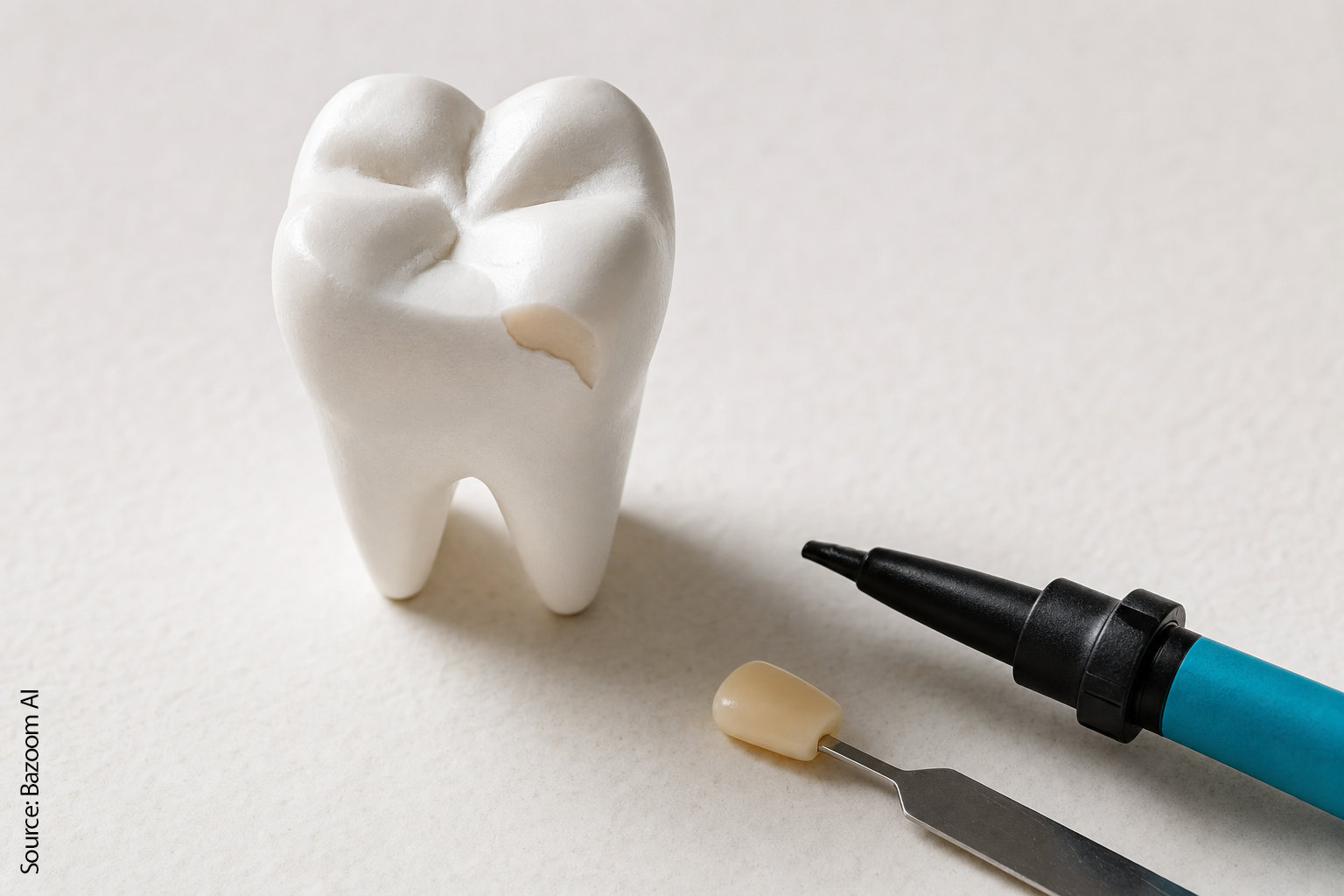
Cosmetic bonding involves applying a tooth-coloured resin to address minor imperfections like chips, uneven edges, small gaps and mild discolouration. The dentist chooses a shade that closely matches the natural tooth, then sculpts and polishes the resin for a seamless result. This process helps to improve the appearance of teeth, especially when performed by an experienced dental professional.
A typical appointment includes tooth preparation, application of the resin and final adjustments, often completed in one session. Unlike porcelain veneers, cosmetic bonding usually preserves more natural enamel. It does not alter tooth position as orthodontics do, nor does it change shade in the way that whitening treatments can.
Myths about bonding: realistic results and limitations
A frequent myth suggests that bonding always gives teeth an unnatural look. Modern bonding materials combined with careful shade matching, edge blending and detailed contouring can create results that look natural. Success depends on the dentist’s skill and selecting cases where bonding is appropriate.
There is also a misconception that cosmetic bonding is permanent and requires no upkeep. While composite resin is suited to daily use, it is more prone to staining or damage compared to some alternatives, particularly if you regularly consume coffee, tea or red wine. It is important to understand that how long the results last will depend on oral habits and the forces applied to the teeth.
Some people worry that cosmetic bonding will negatively affect natural teeth. However, compared to many procedures, bonding typically needs little to no removal of healthy enamel, as the tooth surface is gently roughened to help the resin adhere, making it less invasive than alternatives that require substantial reshaping.
It is a myth that bonding can address every cosmetic dental concern. While cosmetic bonding works well for subtle to moderate improvements, it is not intended for correcting significant misalignment or covering deep, extensive stains. Cases involving large gaps or bite issues may require other dental treatments, whereas bonding is more appropriate for minor changes.
Aftercare, lifestyle matches and realistic expectations
Another misconception is that looking after bonded teeth is difficult. In fact, aftercare usually consists of regular brushing with a soft toothbrush, maintaining overall oral hygiene and being mindful of foods and drinks that can stain. You should also avoid biting directly on hard objects, such as pens or ice.
Cosmetic bonding tends to suit those seeking fast, noticeable yet natural improvements without complex procedures. It appeals to people wanting a confidence boost for work, social events or being photographed, while maintaining a look that blends with their natural smile easily.
Questions to ask in consultations and final thoughts
Before proceeding, discuss with your dentist how colour selection, shaping and overall finish will be approached in your case. Clarify possible risks, such as staining or chipping, how your bite may be affected and options for repairs if needed. This approach ensures clear communication and helps you make an informed decision.
By approaching cosmetic bonding with well-researched questions and realistic expectations, you are more likely to achieve natural, conservative results. Whether you consult with a local specialist or a dentist on Harley Street, prioritising your dental health and individual preferences will lead to more satisfactory outcomes.