

The UK has been used to experiencing a temperate climate with cool, wet winters followed by warm, wet summers, but increasingly parts of the country are recording their driest conditions since 1961. When the rain stops falling and the ground dries out, what can we do to combat drought conditions?
To help your existing plants cope with dry conditions, start by applying a layer of mulch onto moist soil in late February. This can be garden compost, well-rotted manure or shredded bark, spread to a depth of at least 5cm. It is also important when adding new plants – trees, shrubs or perennials – to incorporate organic matter to the planting hole soil, to improve water availability and drainage. Do not apply too much fertiliser, however, as this can encourage lush growth which will then require additional watering during the drier months.
Before you proceed to water your garden, check moisture levels lower down – even if the top soil surface appears dry. Simply poke your finger into the soil and if it feels damp 5cms below the surface, there is sufficient moisture to hold off on watering. If you really do have to water, choose your time with care: early in the morning or in the early evening, once the heat of the sun has faded. Further, try to avoid watering on a windy day as winds dry the soil out quickly and evaporates water. Rather than watering your garden frequently with a light daily sprinkling, it is better to give your plants a good soak. This helps ensure the plants roots grow deeper and stronger as the water goes deeper into the planting area. You can also use plastic bottles; simply insert the cap end (with top removed) into the soil, having cut off the bottom of the bottle before insertion. This will leave you with a container to fill with water which will then seep more slowly into the ground.
Following the same principle, a leaking hose system is an efficient way of watering your garden. The porous tubing is laid above or below ground in beds and borders, seeping water onto the soil to deliver moisture directly to the plants roots. Moreover, you can set up an automatic timer so that the watering can take place at night when there is less evaporation from the sun. It is worth having visible markers if the hose is buried below soil level, so you don’t damage the hose if you are digging.
For gardens where soil can go from one extreme to another becoming waterlogged in winter, you must improve drainage before planting any Mediterranean or more drought-tolerant plants. Also, if you are planning a gravel garden, using permeable horticultural membrane topped with gravel will ensure that you have an inorganic mulch allowing air and water into the soil.
If you are thinking of adding new plants to your garden, or indeed making over a section, consider adding drought-tolerant plants: those usually native to the Mediterranean or South Africa. These usually require full sun and a well-drained soil. Drought-tolerant plants have evolved to cope with hardships specific to the natural environment from poor, thin soil low in nutrients, rocky hill terrain in hot climates, wild grasslands or exposed coastal areas. Many have glaucous grey foliage, such as Lavendula, Rosemary (Rosmarinus officinalis) and Convolvulus cneorum or narrow leaves such as Eryngium, Nepeta and Agapanthus. It is worth remembering that if you are planting sun loving drought-tolerant plants it is best to do so in April to enable them to establish their roots whilst some moisture remains in the soil and well before temperatures drop in autumn/winter. Try also to plant smaller specimens so they can adapt to their growing environment gradually as they grow.
There are a number of perennials, bulbs, rhizomes, tubers, grasses and shrubs which fall into the ‘drought-tolerant’ category. You must remember however, that all will require watering until they get established. Many Mediterranean herbs can successfully be grown in an ornamental planting scheme to add colour and contrast as well as having a culinary use.
Perennials: Alstromeria, Dianthus, Nepeta, Euphorbia, Papaver Oriental Group, Helianthemum, Salvia, Hylotelephium (Sedum) and Verbena bonariensis.
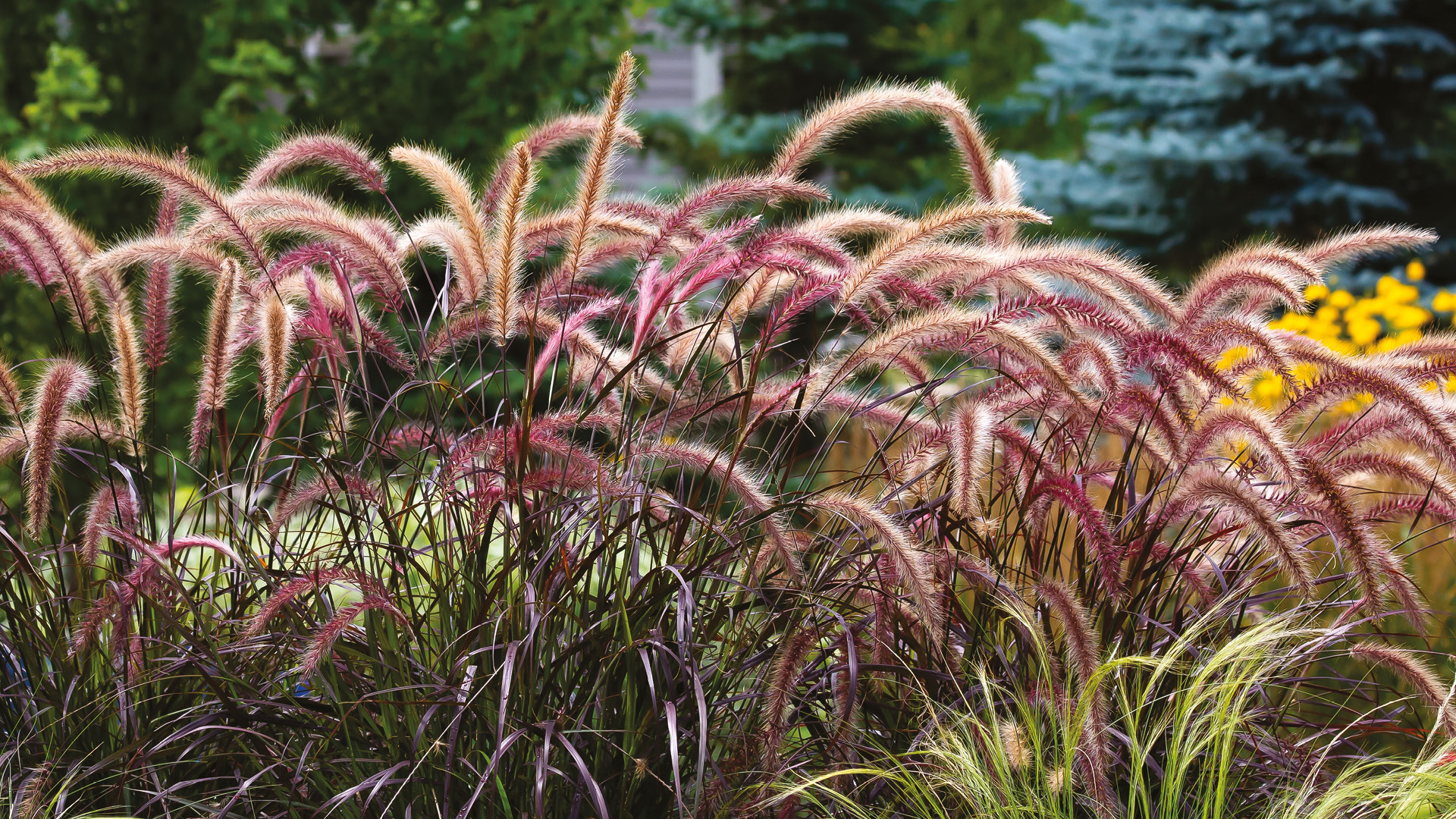
Grasses: Calamagrostis x acutiflora ‘Overdam,’ Eragrosistis curvula, Miscanthus (especially those with narrow leaves).
Shrubs: Lavender (which also falls into the herb category), Potentilla, Cistus and Caryopteris x clandonensis.
Finally, remember that whilst most drought-tolerant plants will endure periods without moisture, when they are first planted, and until their roots get established, they will require watering – although they do not need to be drowned.