


A frayed laptop lead on a shared desk can look harmless until it warms up and smells sharp. The same goes for a kettle in a staff kitchen that trips the socket every few days.
Most workplace risk is like that, it starts small, then becomes normal through repetition. A PAT testing qualificationchanges that by turning “I think this is fine” into a clear, repeatable check.
Safer workplaces rarely come from one big policy document that no one rereads after induction. They come from practical skills that people can use on a normal Tuesday, under time pressure. That is why it helps to think in routines, not posters.
The Skills That Prevent Most Electrical Incidents
Electrical safety at work is often about noticing change, not memorising rules. A plug that sits loose, a cable that kinks near the strain relief, or a casing that has hairline cracks. These details are easy to miss when the day is busy.
Good basic routines start with user checks that take under a minute, then build into formal visual inspection. The HSE organises maintenance around user checks, visual inspection, and testing based on risk; their portable equipment maintenance guidance is a useful starting point.
Most teams benefit from agreeing what “stop using it” looks like, so no one feels dramatic. A smell of overheating, scorch marks, exposed copper, or a plug that rattles when moved. When the line is clear, reporting feels normal rather than awkward.
It also helps to treat extension leads as equipment, not furniture. Overloaded strips, crushed cable runs under rugs, and daisy chained adaptors create heat and trip hazards. If you manage venues or event spaces, those risks rise fast during busy periods.
What PAT Testing Really Covers And What It Does Not
PAT often gets treated like a sticker that “clears” everything for the next year. That sounds neat, but it misses how risk changes with use. A clean office and a busy workshop do not need the same routine.
A good PAT process focuses on keeping equipment safe while it is in service, not ticking boxes. It combines user checks, formal visual inspections, and instrument tests where they add value. Guidance like the Electrical Safety Firstcan help you frame those checks around real conditions.
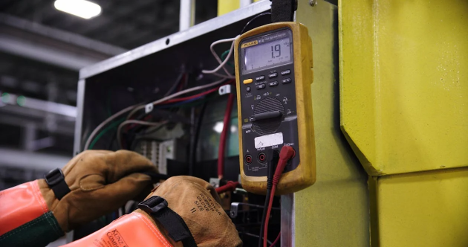
PAT competence also includes knowing what testing can miss without a proper look first. Cracked plug tops, loose cable grips, and heat damage often show up by sight, not by numbers. That is why visual inspection stays central, even when you have good test gear.
It also helps to be clear about limits, since a pass label does not prevent misuse tomorrow. Safe storage, sensible cable routing, and clear fault reporting still matter every day. When those habits exist, testing supports them instead of replacing them.
Turning Training Into Repeatable Routines
Most workplaces already have safety knowledge scattered across a few people. The goal is to make that knowledge visible, shared, and easy to apply under stress. That takes simple systems that do not punish the person who speaks up.
Start with an equipment list that reflects real use, not an old asset register. Include chargers, portable heaters, kitchen kit, extension leads, and any hired equipment. Then note where each item lives, and who normally uses it.
A useful routine is a three layer check that everyone understands, even if they never touch a tester. It keeps responsibilities clear and reduces the “someone else will handle it” gap. It also gives new starters a simple way to contribute.
- Before use checks: quick look for damage, heat, loose parts, and cable strain.
- Formal visual inspection: scheduled checks for plugs, fuses, strain relief, and casing condition.
- Testing and records: results logged with dates, plus notes on repairs and retests where needed.
Records should support decisions, not become a paper exercise. Short notes about damage patterns can tell you where habits need attention. For example, repeated crushed cables may mean desks need better cable routing.
For teams balancing long days and heavy calendars, mental load matters too. When people feel stretched, small safety steps tend to slip first. A steadier wellbeing routine can support attention and reduce avoidable errors.
Judgement, Standards, And Knowing What “Good” Looks Like
A common mistake is treating all equipment as equal, when risk changes by setting. A laptop charger in a quiet office is not the same as a power tool, or a portable light in a damp area. Once you sort by risk, your inspection intervals make more sense.
This is where guidance from established bodies can help you set expectations. The IET Code of Practice for in service inspection and testing is widely used to shape how checks and testing are approached. It focuses on continued safety in use, considering environment and user skill.
Judgement also includes knowing when equipment needs repair, replacement, or removal from service. If a plug has signs of overheating, fixing the fuse alone is not enough. You need to understand why it happened, then prevent a repeat.
If your workplace uses temporary setups, pop ups, or rotating workspaces, the basics matter even more. Equipment gets moved, cables get bent, and storage gets rushed between days. That is where consistent checks protect both people and schedules.
Digital work adds another layer that is easy to overlook. Home working can blur responsibility for safe equipment, especially with personal chargers and borrowed adaptors. If your organisation already runs partly online, sensible safety rules should follow that reality.
Keeping Skills Sharp Without Burning Out
Skills stay useful when they are refreshed in small doses, not saved for an annual scramble. A short quarterly refresher, a quick share of common faults, or a five minute check routine during set up can go far. It also helps new staff learn by watching calm, consistent habits.
The practical takeaway is simple: build routines that match your risks, then make those routines easy to follow. Combine user checks, visual inspection, and testing where it fits, and keep records that guide decisions. When your team knows what “safe enough to use” means, the workplace feels calmer and runs smoother.