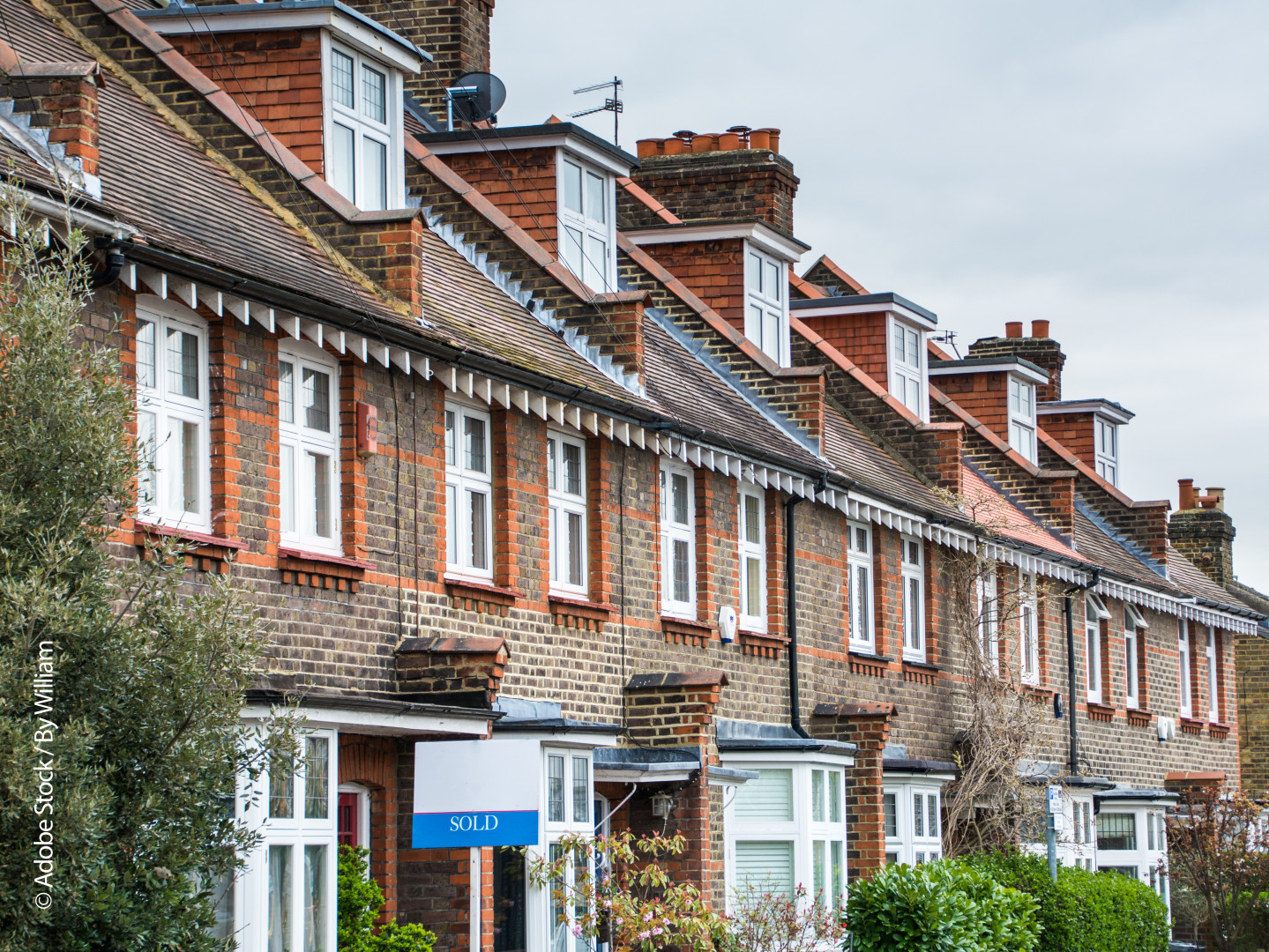


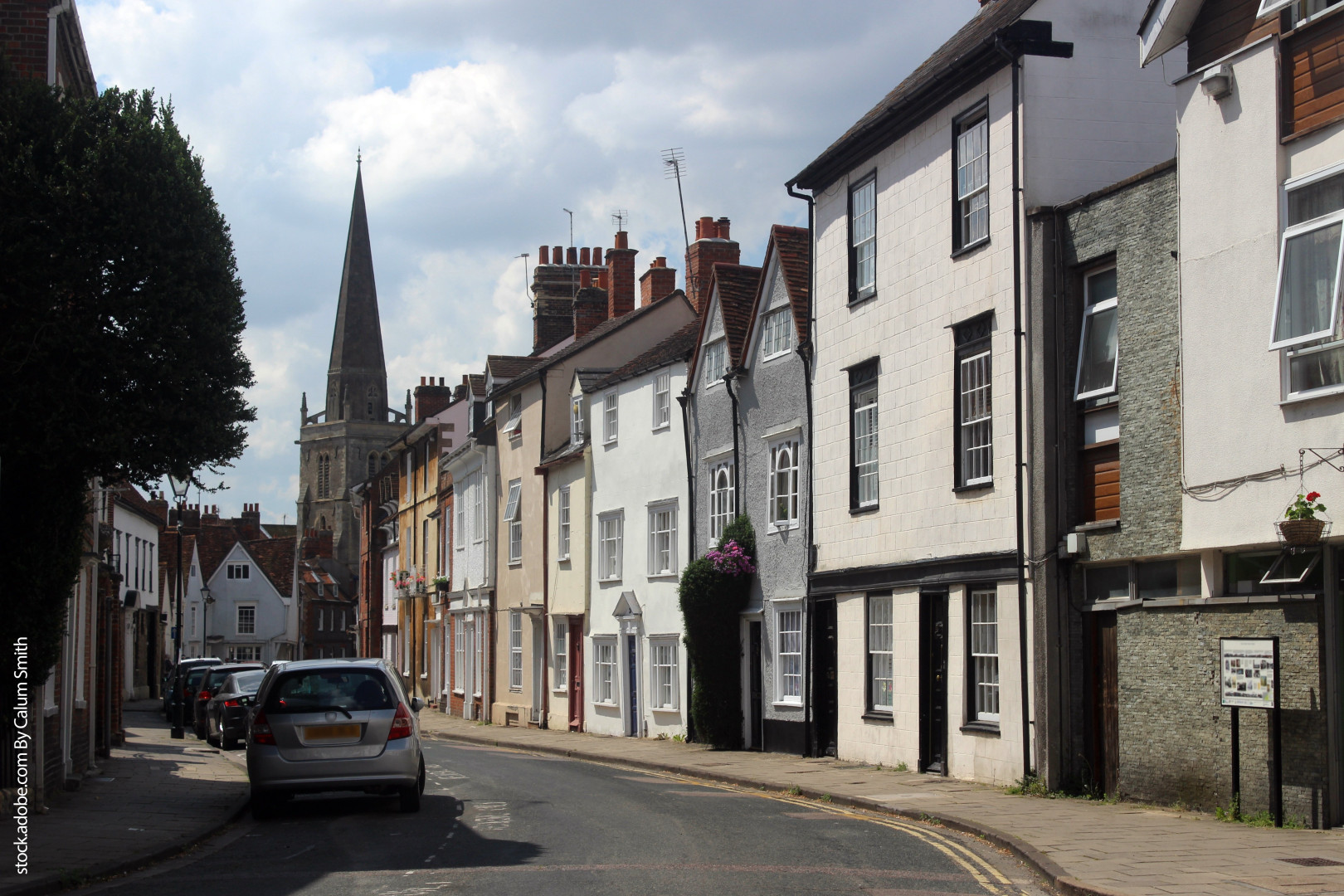

Owning a historic home comes with a clear set of responsibilities. You have to care for original materials while making sure the property remains safe. Security is a major concern for heritage property owners, but adding modern equipment to an old facade requires careful thought. Owners of period homes across Oxfordshire, Berkshire, and Buckinghamshire face this exact puzzle when protecting their properties.
Installing cameras and alarms can't be done carelessly on an older structure. You must think about how the equipment looks and how it affects the building. Follow along to discover how you can protect your historic property without damaging its character or getting in trouble with the local council.
Rules for External Alterations on Historic Properties
The legal framework around heritage homes is strict for a reason. Buckinghamshire Council's heritage service states that listed building consent is required for external alterations that affect the building's character as a structure of special architectural or historic interest. This rule applies to major construction work like extensions, but it also covers visible security cameras, alarm boxes, and external wiring.
Making alterations without getting this consent first is a criminal offence. Planning officers look closely at how any new addition impacts the character of the building. They want to ensure that security measures don't permanently damage the historic fabric.
When you apply in Buckinghamshire, the council will favour solutions that are reversible, meaning the original fabric would remain unharmed if the system were removed later.
Clever Ways to Hide Modern Security Gear
Protecting your home doesn't mean bolting large plastic boxes to historic walls. Modern technology makes it easy to choose discreet options that blend into the background. For example, small dome cameras can match the colour of your brickwork. Placing these units under deep eaves or behind rainwater pipes keeps them out of sight while maintaining an excellent view.
Wireless systems are an excellent choice for period properties. Traditional alarms require long cables that involve drilling through ancient timber or lime mortar, which can cause irreversible damage. Wireless components significantly reduce this risk, so you won't need to channel cables through old timber frames or lime mortar.
You can also reconsider where you place your main equipment. Instead of putting an alarm box on the front facade, place it on a less visible side wall. This provides a visual deterrent without spoiling the appearance of your heritage home.
Get Expert Advice Before You Apply
The key to a successful application is preparation. Most conservation officers will want to see that the proposed camera positions have been chosen with the building's character in mind.
A security installer familiar with listed properties will know which mounting points are least intrusive and how to route equipment away from visible elevations. Firms providing CCTV in Buckinghamshire regularly deal with heritage applications and can prepare the technical drawings and photographs that councils expect to see alongside a consent submission.
Planning officers are more likely to approve an application if it shows you respect the building's heritage. A professional survey will outline exactly where components will be attached and how the system can be removed without causing damage. This clear information gives the heritage team the confidence to grant permission.
It's worth noting that you should also speak to your specialist insurance provider during this stage. Heritage insurers often have specific demands regarding locks and alarms. Matching council rules with insurance requirements requires patience, but it ensures total peace of mind.
Simple Deterrents That Conservation Officers Accept
Beyond cameras, there are other low-impact ways to improve home security. Smart lighting is highly effective, but any fixtures attached to the building itself will usually need listed building consent, regardless of size. Freestanding motion-activated lights along garden pathways or on posts set away from the building are a lower-risk option that won't affect the historic walls. This will keep the building fabric safe while eliminating dark corners.
Though you should still check with your local planning authority, as structures within the curtilage of a listed building can require planning permission depending on their size and position.
Strong physical security on windows and doors is another area to consider. You can't simply swap original locks for modern versions without checking, but BS3621-compliant mortice locks come in a range of case sizes and many will fit existing mortise cavities in period doors. Where the existing cavity is too small, a specialist locksmith experienced with listed properties can advise on what's possible without damaging the door.
How to Balance Historic Charm with Modern Protection
Securing a listed building requires a thoughtful blend of modern technology and traditional preservation. You don't have to compromise on safety to keep your home looking beautiful. By choosing wireless options, painting equipment to match your stonework, and picking hidden locations, you can keep intruders away without changing the character of your property.
Taking the time to plan your security upgrades correctly protects both your family and the history of the building. With the right expert help and a cooperative relationship with your local planning department, you can easily secure your home for generations to come.