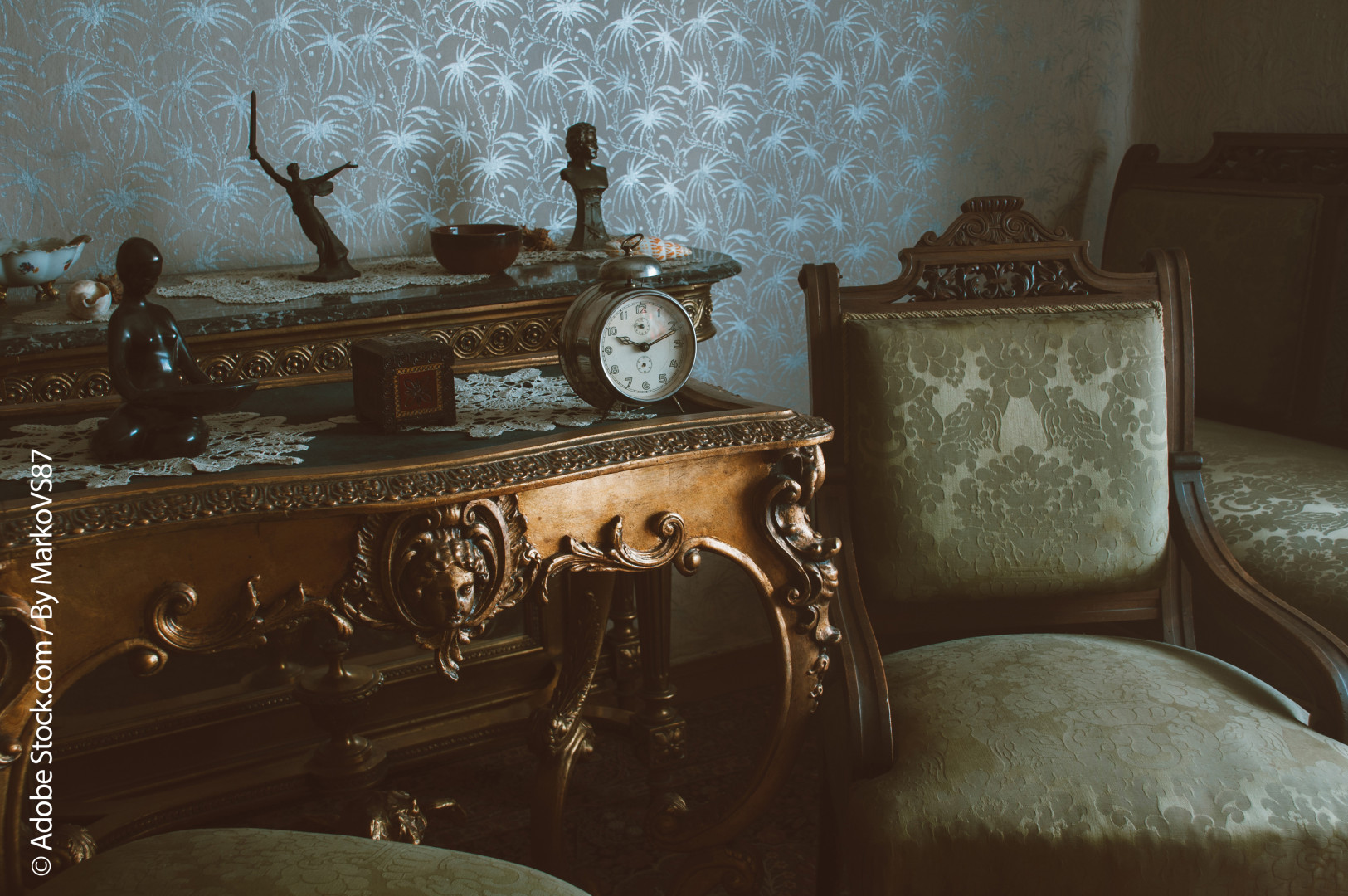

Moving a Georgian longcase clock or a family oil painting isn't like loading boxes of books onto a van. These pieces can't be replaced, and they're often more fragile than they look. The journey from a London townhouse to, say, a cottage in Oxfordshire will cause headaches at both ends. On the London side, you've got parking restrictions, narrow stairwells and loading bays to deal with.
At the other end, there's a property with low beams, flagstone thresholds and a front door that hasn't been widened since the 1780s. Getting a gilded mirror from Islington to a village near Burford in one piece takes proper planning, and most of that planning has to happen before the van is booked.
Why Crating and Condition Reports Come First
Before anything gets wrapped, every valuable piece should be photographed in detail, capturing scratches, patina wear and frame condition under good lighting. That photographic record removes any argument later about what was already damaged and what happened during the move. Auction houses and galleries do this as standard, and a domestic move with antiques shouldn't skip it either.
Mirrors, paintings and framed prints are among the most commonly damaged items in a house move, and the reason is almost always the same: they were wrapped in blankets and wedged between sofas. A lined wooden crate built to the exact dimensions of the piece will absorb shocks that soft wrapping simply can't handle.
Reputable, London-based removers who specialise in valuables, such as Kiwi Movers, will assess each piece and crate anything that needs it. Trained carriers know how to lift without gripping frames, how to angle a large canvas through a tight hallway and how to secure crates so nothing shifts on the road.
The Insurance Gap Nobody Mentions
Most removals insurance policies won't cover the contents of boxes you've packed yourself. This is a standard industry position reflected in British Association of Removers guidance, and it applies no matter how carefully you think you've wrapped things. The insurer's reasoning is pretty blunt: if a professional didn't do the packing, the insurer can't verify the standard, so they won't accept the risk.
For everyday household items, that exclusion probably won't keep you up at night, but if the move includes Edwardian watercolours or hand-painted porcelain, an uninsured breakage could mean a serious financial loss. Having the removals team pack your valuables can help ensure the insurance cover applies if something goes wrong. That one fact alone makes professional packing worth the cost.
Pianos, Hoists and London Logistics
A grand piano in a second-floor Kensington apartment can't always come down the staircase, especially in a period conversion where the landings are barely wide enough for two people to pass. Specialist removers will bring in an external hoist and take the piece out through a window, and that can require council-approved road closures and a structural check on the window frame itself.
Even without a hoist, London logistics will catch out people who haven't planned ahead. Residential parking permits for the removals van need to be arranged with the council in advance, often two weeks or more before the move date. Narrow mews streets, basement access and borough-level loading bay restrictions mean you can't just pull up and start whenever you like. A professional crew will factor all of this into the schedule before they turn up on the day.
Measure the Cottage Before the Van Leaves
There's no point getting a seven-foot tallboy safely out of Hampstead if it won't fit through the front door of a Cotswolds cottage. Period properties across Oxfordshire are full of low beams, narrow internal doorways and uneven stone floors that dictate where a piece of furniture can actually go. A dining table that sat comfortably in a London reception room might not clear the beam above a country kitchen entrance.
Measure the destination in advance, and pay close attention to ceiling heights, door widths and tight turns on staircases. Heavy furniture can also crack uneven flagstone if it's set down carelessly, so felt pads or bespoke plinths under each leg will protect both the antique and the floor beneath it.
What the Right Move Protects
Repairing a damaged antique is expensive on its own, but restoration often reduces an item's value permanently too, and some damage can't be reversed at all. The cost of proper crating, professional packing and advance logistics planning can always come in lower than a single insurance claim for a broken heirloom.
For people furnishing an Oxfordshire period home with pieces from a London life, a dealer purchase or a family estate, the move itself is the moment of greatest risk. Measure the destination well before moving day and sort the London departure logistics early. Above all, make sure the crew carrying your grandmother's writing desk down three flights of stairs have done it a thousand times before.