
Leonardslee Estate, around two hours from Oxford in the Sussex countryside, combines a historic house, sweeping woodland gardens, vineyards, and the extraordinary culinary experience offered by the Michelin-starred Restaurant Interlude and its Executive Chef, Jean Delport.
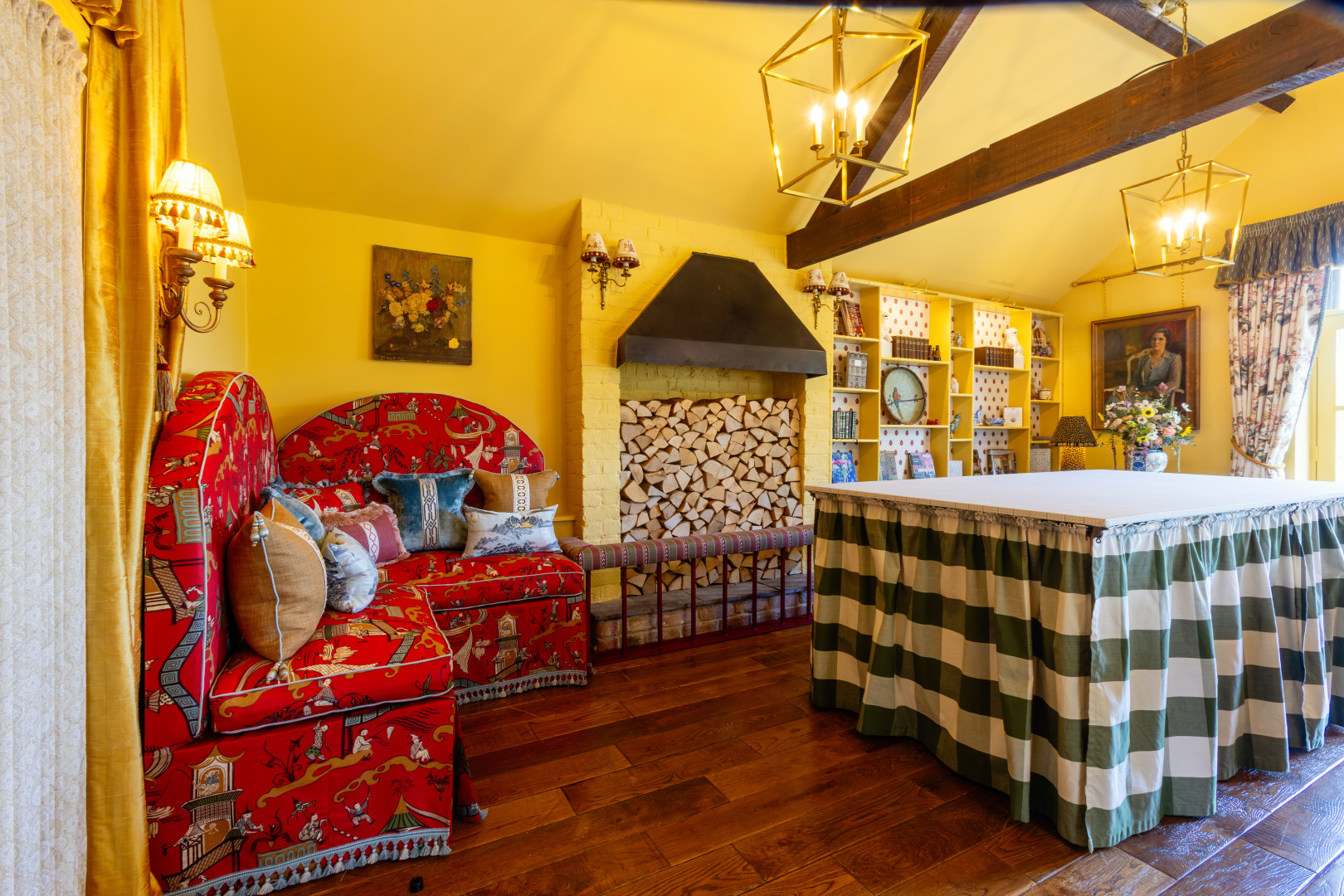
We were staying in the Pinotage Room, a beautifully appointed space entirely in keeping with the building’s Grade II listing. High-ceilinged and well proportioned, it is decorated in the distinctive patterns of luxury interior design house, Soane Britain. Thoughtful details are in abundance: a choice of excellent teas and coffees, fresh milk in the fridge, a wealth of books to browse, and a cloched dish of vlakoekies (South African custard biscuits) freshly prepared by the kitchen. The bathroom is a particular triumph; a huge room with a silver slipper bath by the window, positioned to make the most of the view. A stylish monochrome-tiled floor, enormous walk-in shower, and posh toiletries on hand complete the space which also manages to accommodate a private dressing area and a good-sized wardrobe.
A Sparkling Introduction; the Vineyard at Leonardslee
Our introduction to the estate began with a wine tasting, led by Wine Experience Manager Justin Francis. We met him in the newly refurbished private dining room; bathed in natural light and with views over the lawn onto the wooded slopes beyond.
His talk started with an introduction to Leonardslee’s owner, Penny Streeter OBE. Justin described her remarkable journey using the metaphor of a swallow, making the link with the motif on the labels of wine produced by the estate. Born in Zimbabwe and brought to the UK as a child, Penny began her career as a beautician before moving into recruitment. Her path was not without setbacks, but she persevered and in 2006 was awarded an OBE. A holiday in South Africa a few years later proved transformative: there she discovered Benguela Cove, the country’s most southerly vineyard. She bought the estate and began working with Johan Fourie to develop its (now award-winning) wines.
Having established a reputation in South Africa, Penny wanted to bring that distinctive style of hospitality to the UK. Leonardslee House and the neighbouring golf course offered the opportunity. The course was removed to make way for vines, heralding a new chapter for an estate already steeped in horticultural history. It was once the home of Sir Edmund Loder, the Victorian horticulturalist who had transformed its gardens, now open to the public. Celebrated for their acres of woodland, lakes and striking landscape, they also are home to Loder’s extensive work with rhododendrons and England’s tallest Acer.
Justin guided us through the estate’s sparkling wines, beginning with the Leonardslee Classic Cuvée. This multi-vintage wine offers citrus and floral notes, underpinned by a touch of minerality and saline freshness. It was an easy, quaffable introduction to the range. The Brut Reserve followed; precise and elegant, with crisp green apple and mineral character. The Brut Rosé had a beautiful rose-gold hue, a strawberry-scented nose and red-apple notes. It would, as Justin suggested, make a fantastic companion to traditional afternoon tea. Finally, the Blanc de Blancs, made from 100% Chardonnay, and delivering all the sophistication one would expect from fine Champagne: toasty, yeasty notes of brioche and biscuit.
Our session became a wider exploration of the estate, as we were taken from the drawing room to the vineyard and around the gardens. Wallabies (yes, really) wander across the grounds and sculptures appear throughout the landscape, each creating their own moment of surprise. Standing by the vines, Justin explained that all the grapes harvested are hand-picked, no chemical fertilisers are used, and sustainability is central to the estate’s approach, with careful attention paid to nurturing the soil.
Feeling pleasantly tiddly, once the talk concluded we stayed outside to make the most of the remaining daylight, picking our way down through sloping woodland towards the lakes. A buggy shuttle is available for those who prefer it, but the walk is manageable – and the promise of dinner provided ample motivation for the return uphill journey.
An evening at Interlude
Freshened up, we arrived at the bar at six o’clock, ready for the main event. Our host, Ndosi, welcomed us with a smile and a glass of sparkling wine from Benguela Cove before the first of the ‘bar snacks’ arrived. A goat-cheese and beetroot macaron delivered a combination of sweetness, creaminess, tang and crunch, followed by a curried cracker topped with cod-roe mousse; both setting the tone for an evening in which every course has us exclaiming in surprise, delight and pure wonderment. Even the small details were theatrical: Polo mint-sized compressed cloths magically expanded into usable hot towels with a drop of water. Around us, our fellow diners were equally delighted by the sense of occasion and performance.
Food was brought to the table (both in the bar and then later in the dining room) either by one of the knowledgeable wait staff or one of the chefs, including the warm, friendly and disarmingly humble Jean Delport himself, who clearly makes a point of chatting with each of his guests. The atmosphere was relaxed, despite the mind-blowing genius of the cooking and service felt attentive, allowing time and space for conversation. “I get to make an experience for someone,” one of the chefs told me when I asked what he enjoyed most about his job.
Before taking our seats in the dining room, we paused to learn about some of the herbs and spices foraged from the estate while drinking a shot of deeply flavoursome broth. The messaging was clear: the landscape is not merely the backdrop to the restaurant; it is an integral part of its cooking, as we were to discover over the course of the next three hours or so. In fact, an evening at Interlude is not just about sampling Jean Delport’s exemplary food: it’s an experiential journey into a world where a dedication to sustainability and a nature-led approach to fine dining has earned the restaurant not just a Michelin Star in 2019, but four years later the first Michelin Green Star to be awarded in Sussex.
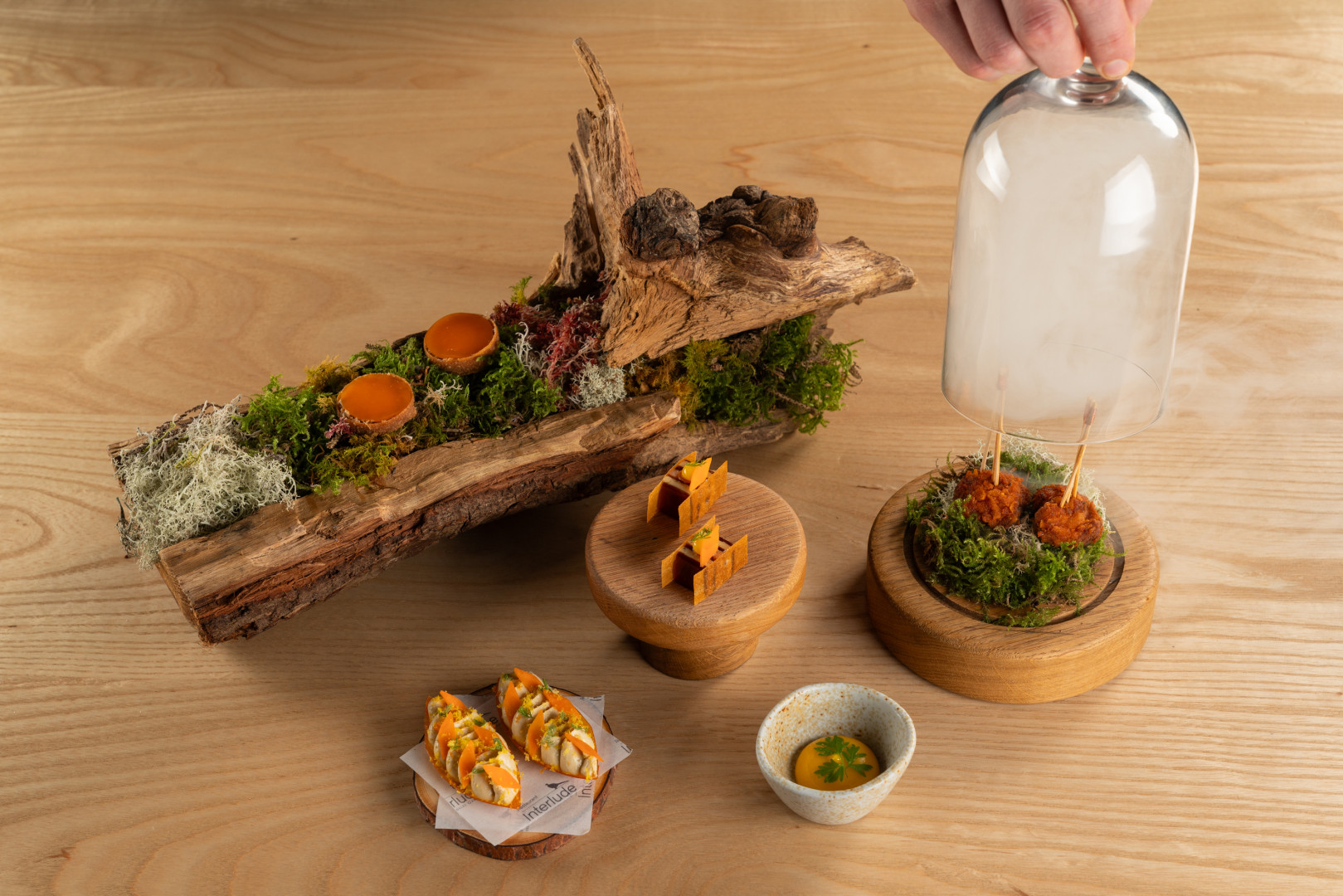
Once seated, we moved onto the next course; lightly poached oysters with compressed apple and beetroot. Forgive the cliché, but they did melt in the mouth Then came the kitchen’s signature dish, Rabbit Eats Carrot which epitomises the no-waste ethos at the heart of everything Interlude strives for. Presented on a mossy log and accompanied by wafts of fragrant wood smoke, we were utterly entranced. If you’ve ever watched and marvelled at Great British Menu or any other elite-level cookery show, book your table at Interlude. To watch it on TV is one thing, but experiencing the food, flavours, presentation, and attention to detail is unforgettable.
The following courses were equally captivating: Nutbourne tomatoes paired with cep and a nutty samphire-seed land caviar; Beef tartare, sourced from nearby Trenchmore Farm and mounded on top of a set wheat custard punched with an extraordinary umami hit; even the bread was a revelation – mosbolletjies, a traditional Afrikaner bun made with the estate’s grape must instead of yeast and served with koji butter.
The dishes kept coming, leading up to a pink perfect pigeon breast with estate-foraged mushrooms and a boned-out pigeon leg stuffed with gamey sausage, rich in deep, autumnal flavours.
Desserts were equally inventive. Gin-laced sloe sorbet evoked the warmth and the chill of autumn sunshine; an almond financier served with various forms of cherry was subtly infused with eucalyptus balancing sweetness with aromatic freshness. Finally, a malty chocolate concoction topped with bulrush syrup which, we were fascinated to discover, mimics the flavour and character of a great stout.
Cheese was offered, but we’d reached our limit. The pretty petit fours were packed up to be enjoyed another time, and we retired, replete, to our room.
Our bed proved as comfortable as it looked, and we slept soundly. Breakfast the following morning was in Clocktower Kitchen, the public café just across the courtyard from the entrance to the main house. The coffee was good, the service was friendly and the menu had everything from bacon baps and avocado toast to granola, pancakes, and a full English.
Before leaving, we took a final walk around the grounds up to the estate’s shop, which is like a small upmarket garden centre with gifts, plants and more. I suspect on any other Sunday we would have been tempted to a purchase, but after such an indulgent evening we were thoroughly satiated and ready for the drive back to Oxford.
Restaurant Interlude and Leonardslee Estate offers much more than an exceptional meal. It is a place where landscape, hospitality, wine and culinary creativity come together, with Interlude providing an edible expression of the estate’s identity. Jean Delport’s cooking is imaginative without losing sight of flavour, while the attentive team ensure that even the most elaborate dishes feel joyful rather than intimidating. Add the beautiful accommodation, fascinating wine story and extraordinary gardens, and the result is a thoroughly memorable Sussex escape – one best enjoyed slowly, with a crisp glass of English sparkling wine in hand.
Leornardslee House is holder of a coveted Michelin Key which recognises the most outstanding hotels in the world. For more information about the House, the Estate and the winery, visit leonardsleegardens.co.uk.
To book either the Lunch or the Evening Multi-Course Tasting Menu at Restaurant Interlude, visit restaurant-interlude.co.uk.
Banner Image: Rabbit Eats Carrot