


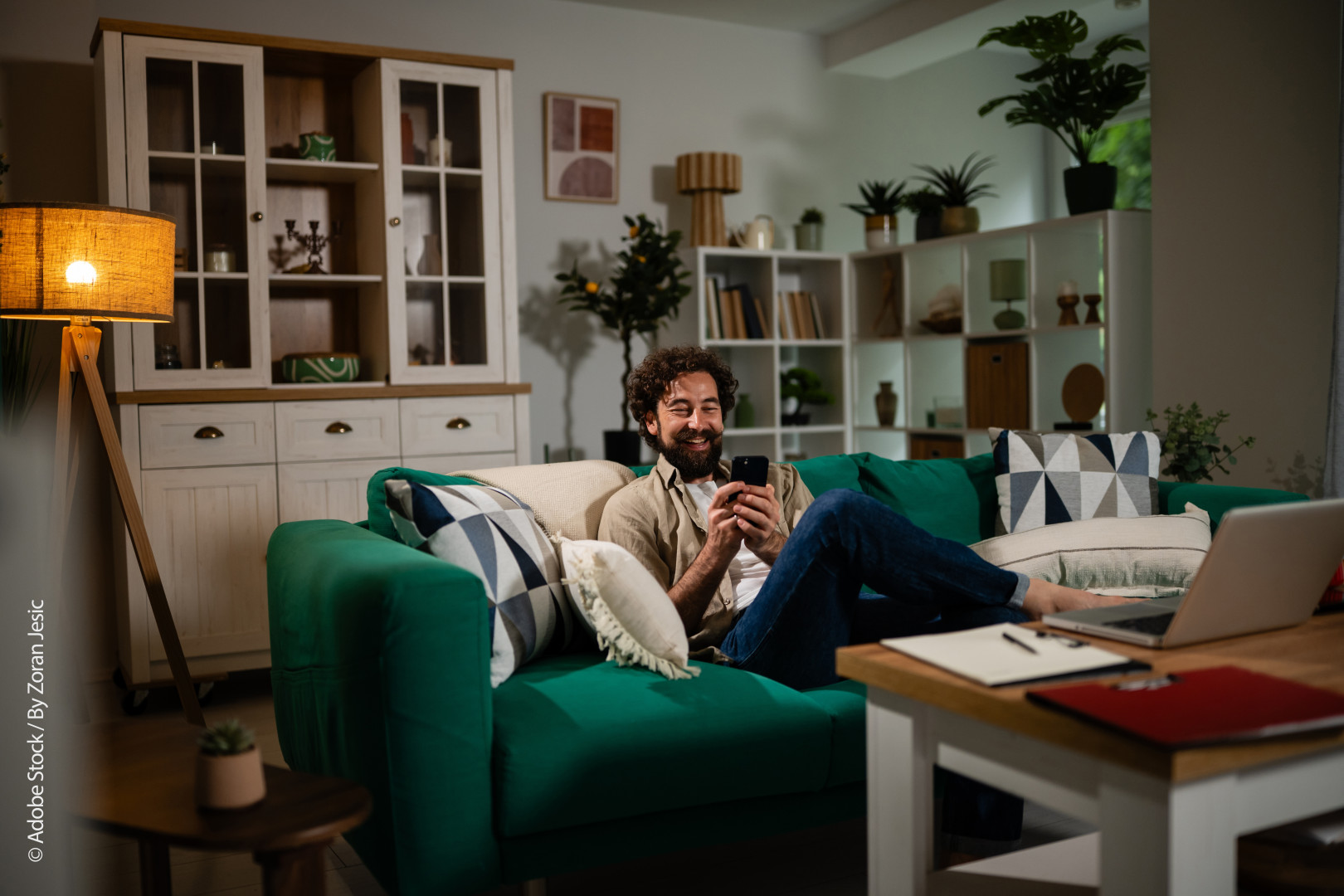

Somewhere between the school run of adult life and the endless ping of unread emails, a quiet rebellion has taken hold across Oxfordshire. People are learning, deliberately and unapologetically, how to switch off. It might be a Sunday morning at a wellbeing retreat tucked into the Cotswold hills, a phone left face-down on the kitchen table, or twenty minutes of light online entertainment after the washing-up is done. Ruby Wax, the comedian turned mindfulness advocate, has spent years arguing that the brain needs downtime as much as the body needs sleep — and her message has landed with a generation that finally has permission to rest without feeling guilty about it.
That hunger for gentle, low-stakes leisure explains why so many adults now dip into casual online gaming as a form of light entertainment, much as they might do a crossword or scroll a favourite series. For those who enjoy the occasional flutter and like to understand the wider scene before choosing where to spend an evening, resources such as this list of casinos not on gamstop offer a helpful overview. Gamstop is the free British scheme that lets players block themselves from participating sites; the sites described as being outside it operate under overseas licences instead, which is precisely why some players compare their bonuses, payment options and terms with care. Reading a considered comparison, rather than clicking the first advert that appears, is simply the grown-up approach — the same thoughtful habit that guides how someone picks a restaurant or a weekend away.
Why Oxfordshire Adults Are Rediscovering Downtime
The pressure to be perpetually productive has worn thin. Ruby Wax built an entire second career on the idea that constant busyness is not a badge of honour but a slow drain on the mind, and her books and touring talks have found an especially receptive audience among the culturally engaged crowd who fill Oxford's lecture halls and literary festivals.
Across the county, that thinking has translated into action. Yoga studios in Jericho run midweek evening classes for people who once thought stretching was for other people. Forest bathing sessions near Wytham Woods have quietly filled up. Even the humble act of a long, aimless walk along the Thames Path has been rebranded as self-care, and nobody is complaining. The common thread is permission — the sense that stepping back from the treadmill is not laziness but maintenance.
From Retreats to the Sofa: The Spectrum of Switching Off
Not every form of relaxation requires a scented candle and a two-hour drive. The beauty of the current mood is its breadth. At one end sit the immersive wellbeing retreats: silent weekends, breathwork workshops, spa days at country hotels where the biggest decision is whether to have the massage before or after lunch.
At the other end is something far more everyday. After a demanding week, plenty of Oxfordshire professionals simply want to sink into the sofa with something undemanding. That might be a boxset, a podcast, a puzzle app, or a little light online gaming enjoyed purely for the fun of it. The point is not intensity but ease — the ability to let the shoulders drop and the mind wander. Ruby Wax often notes that the brain does not distinguish between grand gestures and small ones; what matters is the deliberate pause. A twenty-minute break, chosen consciously, can do more good than an hour spent doom-scrolling out of habit.
The Social Side of Slowing Down
Switching off need not mean shutting people out. Some of the most restorative leisure is shared, and Oxfordshire's cultural calendar makes that easy. A summer evening at a nearby festival, glass in hand, does wonders for the nervous system — this is a county where an announcement that Culture Club would open Henley Festival sends ripples of delight through the dinner-party circuit.
Shared leisure has a rhythm all of its own. A supper club in Summertown, a wine tasting in a converted barn, a book group that meets more for the gossip than the reading — these are the moments that recharge people precisely because they demand nothing more than presence. Ruby Wax's own live shows lean into this, blending stand-up with genuine reflection, reminding audiences that laughter and calm are not opposites but close companions.
Marking the Occasion Without the Overwhelm
There is an art, too, in choosing when to go big and when to keep things gentle. The festive season is the classic test. Some prefer the full spectacle — the glamour of an event where the well-heeled see in the new year, with black tie, fireworks and a menu that runs to several courses.
Others quietly opt out, choosing a low-key evening in with friends, a good bottle and no agenda at all. Neither is wrong. The wellbeing thinkers would argue the real skill is knowing which one suits you on any given night — reading your own energy rather than following the crowd. That same self-awareness carries neatly into every leisure choice, from how late to stay at a party to how long to linger over a casual game before switching the screen off entirely.
Finding the Off Switch
What Ruby Wax has really given her Oxfordshire audience is a vocabulary for something they already suspected: that rest is a practice, not a reward. Whether it arrives through a silent retreat, a riverside stroll, a festival singalong or a quiet half-hour of gentle entertainment, the aim is the same. Life moves fast enough without treating leisure as one more task to optimise. The trick, it turns out, is simply learning where your own off switch lives — and giving yourself full permission to press it.