


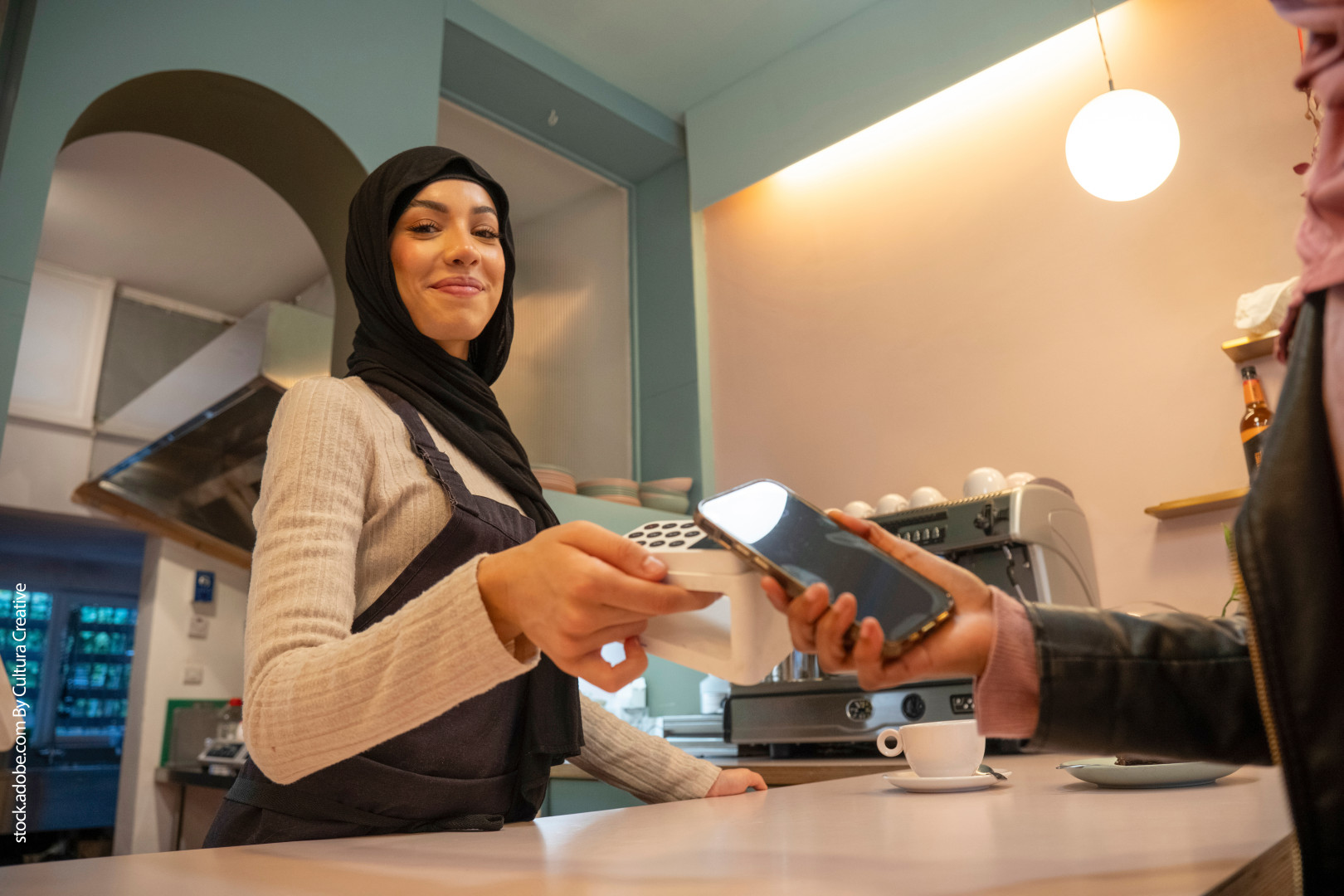

Let us picture a normal Tuesday morning inside Oxford’s Covered Market. You just ordered a flat white from your favourite independent bakery. The phone leaves your pocket, hovering above a card reader for barely a microsecond before a tiny beep sounds. People spent their entire lunch break standing in miserable queues just a generation ago to check a balance. Today? Most of our financial lives from buying a coffee to paying for digital entertainment, live securely inside our pockets.
Financial analysts point to a staggering shift approaching fast. Mobile wallets will likely capture seventy percent of all web-based checkouts within the next six years, driven heavily by retail and online gaming platforms. You have to wonder how the industry actually defends our money against modern digital cartels. A highly intricate, invisible safety networks overtime behind the scenes to lock down every single tap.
The Strict Digital Bouncers Protecting Your Data
Regulators quietly pushed through massive changes a few years back regarding our personal data. Honestly, the main idea was simply making life less annoying. Authorities wanted consumers to use clever budgeting tools or split a dinner bill without complex math. Industry leaders achieved this by building an ultra-exclusive digital club protected by strict bouncers. A new financial app cannot just knock on the front door to connect to your bank. The app must carry a highly specific digital passport issued directly by financial watchdogs.
Cryptographic math double-checks this passport before a single penny moves. That underlying technology locks the digital doors tightly so a five-pound coffee payment can never be altered in transit. Your bank never actually hands over your login passwords to these third parties. Secure tokens act as a temporary pass instead. A quick tap on your screen instantly cuts off an app's access.
Why Your App Sometimes Double-Checks It Is You
Security requires a delicate balancing act with everyday convenience. We all remember when online shopping just involved typing out a long card number. Scammers absolutely loved that old, simple system. Regulators eventually stepped in with a firm hand, demanding that platforms ask for extra proof of identity.
The scenario is familiar to all of us. Maybe you are subscribing to a premium gaming service or buying a winter coat online. The bank suddenly pings your phone and demands a quick fingerprint or facial scan. Frustrating? Absolutely. That momentary friction is a brilliant shield, however. A determined hacker can easily buy a stolen password on the dark web; faking your actual face is nearly impossible. Look closer at the architecture, and you will realize banks constantly study your normal spending patterns. The software recognizes the familiar routine and lets the payment flow smoothly if you buy groceries locally every week. A sudden attempt to buy expensive electronics abroad instantly triggers a security roadblock.
Shared Safety Nets Across the Modern Web
These invisible bodyguards exist far beyond high street banks. Highly regulated corners of the modern web rely on the exact same architecture to stop bad actors. For instance, the digital entertainment industry operates under strict oversight; compliance standards for licensed online casinos require data protection measures that match traditional financial platforms. Operators must secure user data, isolate customer funds in segregated accounts, and undergo brutal independent security audits every single year to maintain their credentials.
Those businesses must lock down customer funds in segregated accounts and undergo brutal independent security audits every single year. This overlap proves a comforting truth. Any legitimate platform handling our money must meet an exceptionally high standard of safety before opening their virtual doors. The fundamental blueprint for digital safety remains universally shared among the most trusted brands.
Sophisticated Digital Lock-Picking and Everyday Scams
The digital world is undeniably safe, but we still need to stay reasonably vigilant. Hackers almost never bother attacking the main bank servers directly these days because those digital vault doors are ridiculously thick. The reality is much simpler—they try to trick us directly. Think about those bizarre text messages claiming a delivery driver missed your house. Criminals rely heavily on these cheap illusions to steal passwords.
Artificial intelligence introduces a truly surreal layer to this threat matrix. Bad actors aggressively train algorithms to mimic human speech patterns. The phone rings suddenly. The person on the line sounds flawlessly like a distressed family member begging for a quick bank transfer but your relative is actually safe at home.
Consider a scenario where a scammer successfully tricks a victim into installing malicious hidden software. This is where defensive technology sounds almost like science fiction. Advanced banking apps can now analyze how you physically hold your phone or the distinct speed at which you type your PIN. A remote scammer operating an automated script cannot mimic your unique human quirks. That robotic movement instantly sets off protective alarm bells.
The Security Guard in Every Single Room
Cybersecurity professionals currently operate under a cynical but effective philosophy known as "Zero Trust." Let's use a physical building as an example. The old internet worked like a massive museum where a bored guard only checked your ticket at the entrance. Nobody ever questioned a thief again once they slipped inside.
Digital platforms no longer operate like that outdated museum. The modern approach puts a dedicated security guard at the door of every single room. Your banking app constantly checks and re-checks your identity in the background. The software quietly checks your GPS location, confirms your phone has the latest patches, and looks for unusual behaviour. What happens if a bad actor somehow steals your session? They hit a brick wall instantly. Internal alarms trigger and lock down the account long before anyone drains your savings. So go ahead and enjoy that expensive coffee in Jericho. Your funds remain protected by an invisible, highly suspicious system learning new tricks every time you tap that screen.