

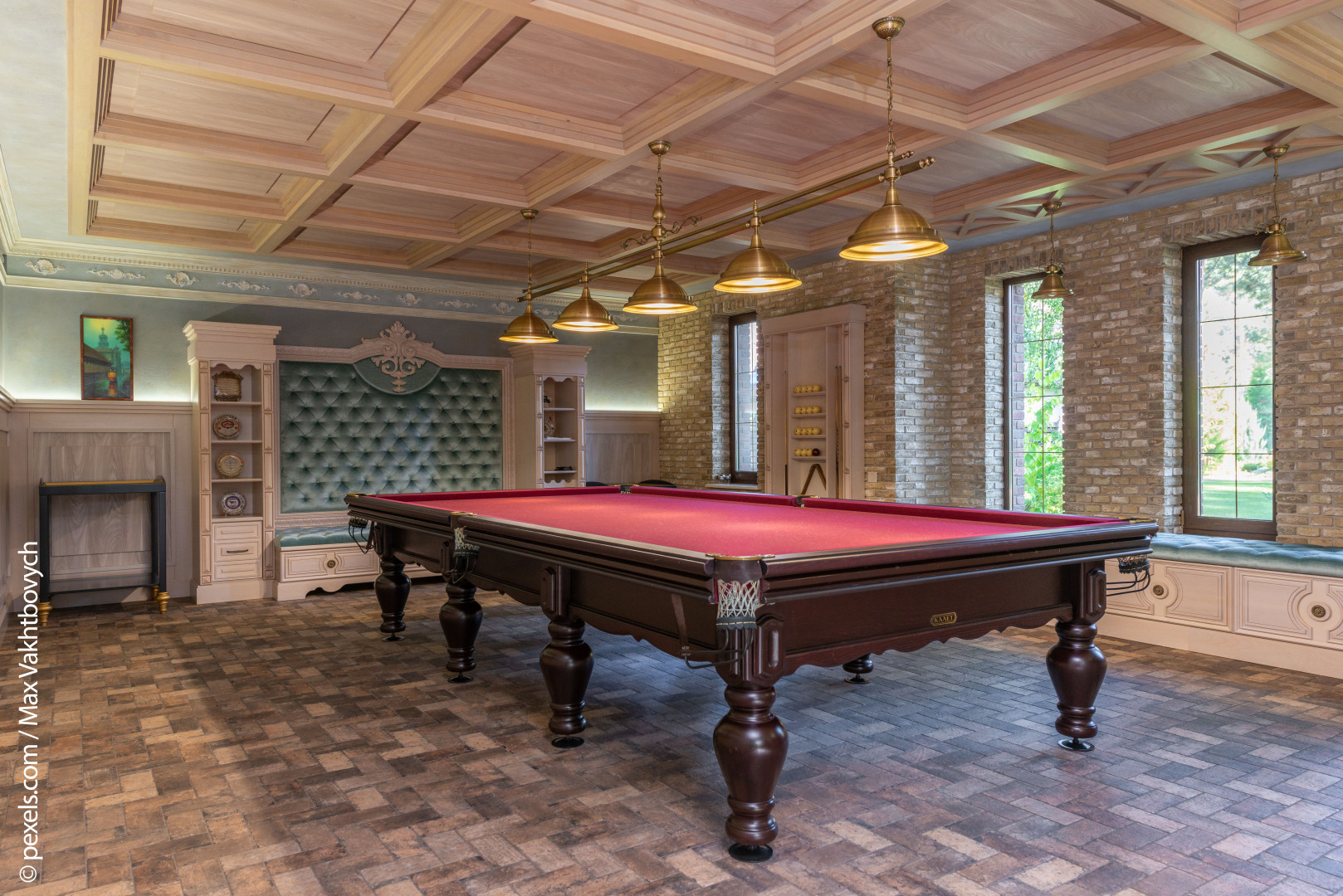

There was a time when no respectable country house was complete without somewhere to play. It might have been a full billiard room, with shaded lamps hanging low over the table, or simply a snug where a chessboard lived beside the whisky decanter. Either way, the room had a purpose. It drew people in after dinner and kept them there.
Then it quietly fell out of favour. Television claimed the sitting room, spare bedrooms became home offices, and games were packed into drawers, brought out mainly at Christmas. Yet in country-house hotels and thoughtfully restored homes, the games room is beginning to make sense again. Not as a period-piece curiosity, but as one of the most sociable rooms in the building.
The Room That Slipped Out of Fashion
The traditional games room belonged to a particular rhythm of domestic life. Dinner ended, coffee was served, and nobody felt the need to rush away. A frame of snooker or a hand of cards filled the stretch of evening before bed. The game mattered, but it was also an excuse to linger.
As houses changed, that sort of dedicated space became difficult to justify. A billiards table occupies an indecent amount of floor, particularly when enough room must be left around it to use a cue properly. Central heating made it unnecessary to gather in the few rooms with a fire, while television offered entertainment that required neither an opponent nor an explanation of the rules.
By the end of the twentieth century, many former games rooms had acquired new jobs. They became studies, informal dining rooms or places to store exercise equipment. In hotels, they could seem like remnants of an older, stuffier version of hospitality. The battered cues and incomplete packs of cards did little to argue otherwise.
Why It Is Returning Now
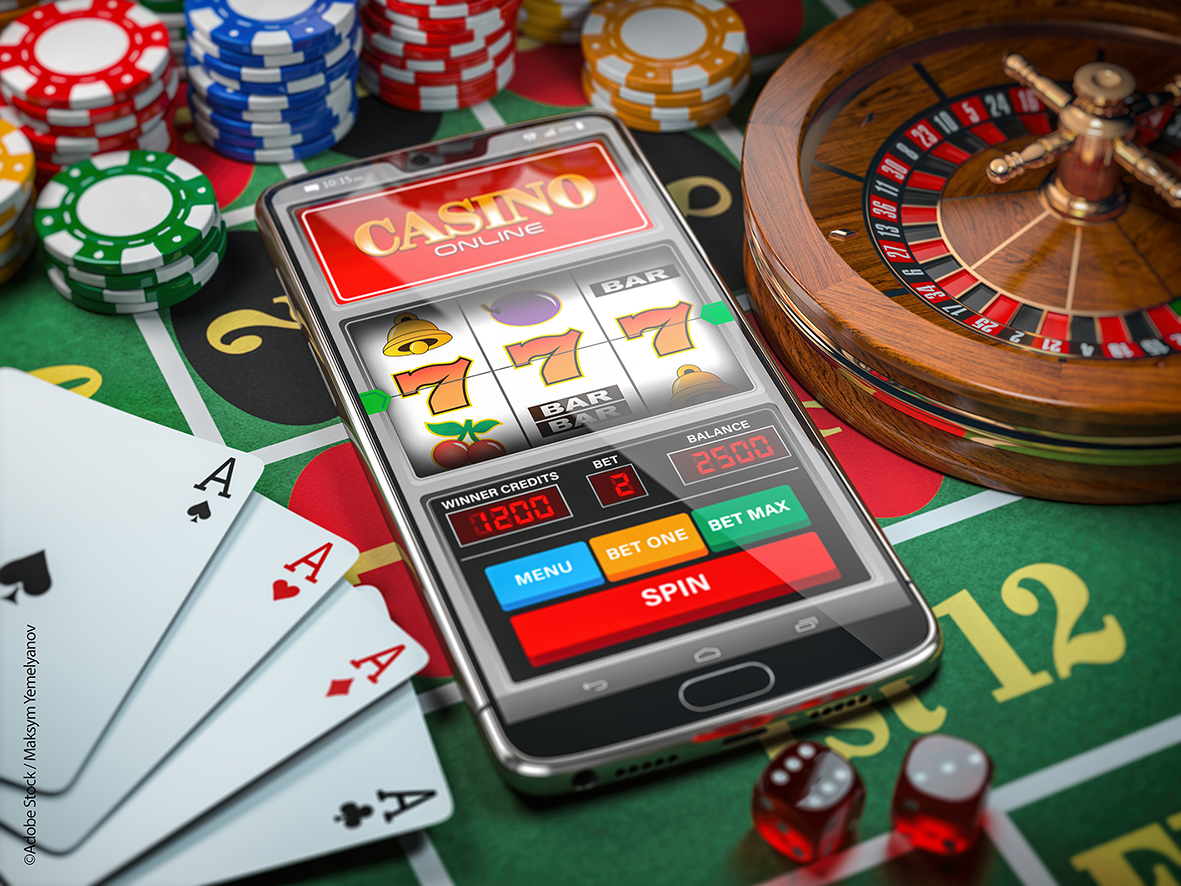
The appetite for games never disappeared; it simply moved onto smaller screens. Specialist publications such as Online Casino Groups reflect just how varied that world has become, covering everything from new releases to the online casinos UK adults can access from their phones. Yet the convenience of private entertainment has also renewed the appeal of playing together. A backgammon board laid out beside the fire, or a billiards table waiting after dinner, offers something a screen cannot quite reproduce: conversation, friendly rivalry and a reason for guests to remain in the same room.
That distinction has become particularly valuable to hotels. A beautiful bedroom is no longer enough to make a stay memorable, especially when guests can scroll through photographs of hundreds of equally beautiful bedrooms before booking. The spaces between the formal parts of a visit now carry more weight. What is there to do after lunch, before dinner or when rain rules out a walk?
A games room provides an answer without imposing a timetable. It does not require a reservation, special clothing or much commitment. Guests can play one quick round or lose an entire evening to a fiercely disputed match. Strangers may begin by asking whose turn it is and end up sharing a bottle of wine. For a hotel hoping to feel like a house rather than a collection of bedrooms, that is useful magic.
It Takes More Than a Billiards Table
Simply placing a table in an unused room will not create atmosphere. The successful new games room borrows from the old one without treating it as a museum. Dark timber, shaded lighting and deep armchairs still work, but they need not arrive with red walls and hunting prints. Limewash, patterned fabrics, contemporary art and a slightly unexpected colour can loosen the look.
Comfort matters as much as decoration. People need somewhere to perch while waiting for a turn and somewhere to put a glass without risking the baize. Lighting should be bright over the table but softer around the edge of the room. A fire helps, naturally, although a well-positioned lamp can create its own pool of warmth.
The choice of games deserves thought too. Billiards and snooker require space, while pool feels more relaxed and is easier for occasional players to approach. A proper card table earns its keep through bridge, poker, patience and impromptu family tournaments. Backgammon has the advantage of looking handsome even when nobody is playing. Chess appeals to the serious, but draughts makes the same board friendlier to beginners.
The best rooms mix these larger fixtures with after-dinner games that can be picked up immediately, including dominoes, cribbage boards, packs of good-quality cards and a few familiar board games. No laminated instruction folder should be necessary. If guests must spend twenty minutes learning the rules, the moment has probably passed.
A Room Allowed to Be Imperfect
Part of the games room’s charm lies in its resistance to polish. Hotels usually work hard to remove evidence of previous occupants, but this room benefits from it. A backgammon board improves with a few marks. A wooden score counter should show that it has settled arguments before. Even a slightly crooked cue rack can make the space feel used rather than styled for a photograph.
That does not mean neglect. Missing chess pieces and cues without tips are irritating, not charming. The trick is to maintain the games while allowing the room itself to relax. Shelves can hold old tournament cups, curious local finds or books that do not mind being handled. Framed rules from a long-ago house championship are more engaging than generic wall art, particularly if nobody can quite establish whether the champion named was a family member or a dog.
This tolerance for character makes the room well suited to country houses, where immaculate restoration can sometimes leave guests afraid to touch anything. Games give furniture a purpose and visitors permission to settle in. Once somebody has kicked off their shoes to line up a difficult shot, the building has started to feel less formal.
The Pleasure of Staying In
Country-house weekends are often sold through what lies beyond the front door: walks, gardens, market towns and long lunches elsewhere. British weather has never shown much respect for those plans. A good games room turns staying in from a compromise into part of the attraction.
It also gives different generations somewhere to meet on reasonably equal terms. Grandparents may know the rules, children may learn them more quickly, and adults who claim not to be competitive are usually proved wrong within half an hour. Unlike a formal activity, play permits conversation to wander. The pauses are as important as the moves.
Perhaps that is why the room has returned. It answers a modern desire without looking modern at all: the wish to make screen-free time feel enjoyable rather than dutiful. Nobody needs to announce a digital detox when there is a cue in one hand, a drink in the other and one final frame still to play.