


Flooring is more than a functional surface; it sets the tone for the entire interior. The right choice can influence how clients perceive a brand and how employees feel about their environment. Understanding current flooring trends is essential, as design expectations are shifting towards practical yet stylish solutions. This guide reviews popular options and offers insights to help businesses choose flooring that combines visual appeal, performance, and long-term value.
1. Natural Finishes for Warmth and Character
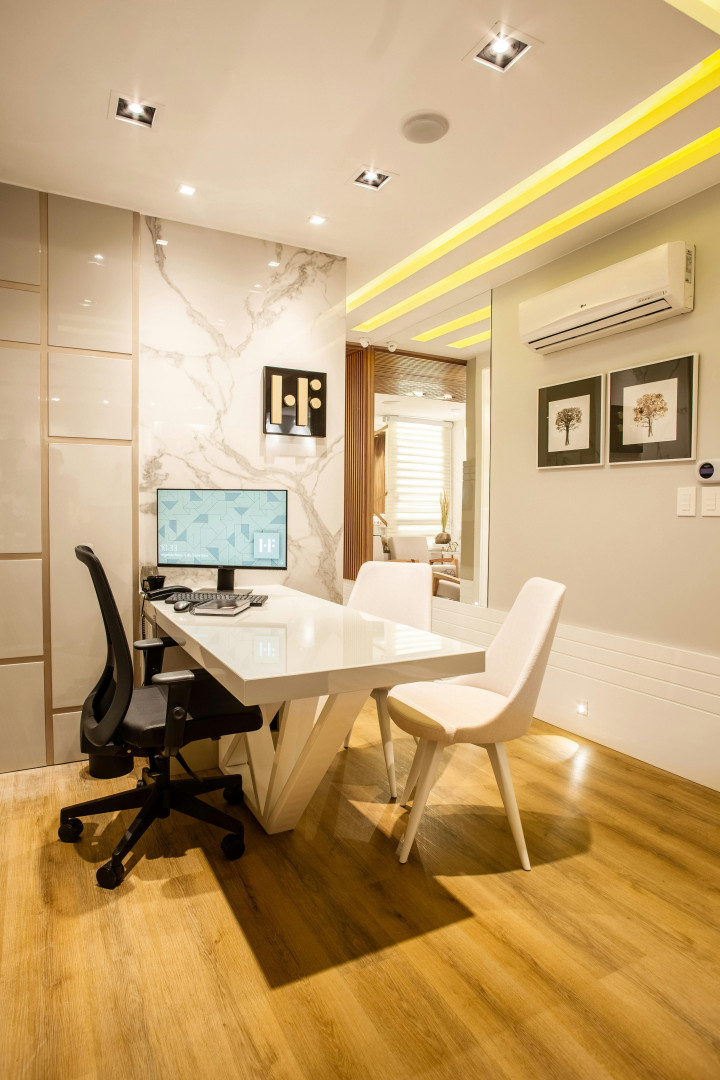
Natural textures remain a leading choice for businesses aiming to create inviting environments. Engineered wood and wood-effect vinyl offer the warmth of timber without the maintenance concerns associated with solid hardwood.
These finishes suit offices, co-working spaces, and hospitality venues, providing a professional yet comfortable look. Paired with neutral tones and minimalist décor, natural wood tones deliver an understated elegance that appeals to clients and staff alike.
2. Sustainability as a Design Priority
Sustainability is no longer optional for modern businesses. More organisations want flooring that meets environmental goals without compromising style. Materials such as recycled vinyl, responsibly sourced timber, and carpets made from repurposed fibres are increasingly common.
Choosing eco-conscious products helps businesses align with corporate social responsibility targets while satisfying client expectations for sustainable practices. Many suppliers now provide clear certification for low emissions and recyclable content.
3. Bold Colours and Zoning Techniques
Gone are the days of plain flooring throughout large commercial spaces. Businesses are embracing colour blocking and zoning as practical design strategies. Using contrasting tones or patterned tiles helps define collaborative areas, quiet zones, and high-traffic pathways.
This approach improves visual interest and functionality, making spaces easier to navigate without additional signage. Bright accent colours can energise breakout spaces, while softer tones maintain a calm atmosphere in meeting rooms.
4. Terrazzo-Inspired Surfaces
Terrazzo has seen a strong revival in commercial interiors. While traditional terrazzo involves stone chips embedded in concrete, modern alternatives replicate the effect using vinyl or composite materials. These products provide the look of terrazzo without the weight or installation challenges of traditional stone.
Ideal for retail and hospitality settings, terrazzo-inspired designs combine durability with aesthetic flexibility. They pair well with contemporary lighting and minimalist furnishings for a sleek, modern finish.
5. Acoustic Flooring for Sound Control
Noise management is a growing concern in open-plan offices and busy commercial environments. Acoustic flooring solutions help reduce sound transmission, improving comfort and productivity. Carpets with dense backing and vinyl with sound-absorbing layers are popular options.
These products provide a practical solution without sacrificing design. Businesses can choose from various patterns and textures, ensuring acoustic benefits blend seamlessly with the interior style.
6. Luxury Vinyl Tiles (LVT) for Versatility
Luxury vinyl tiles continue to dominate commercial flooring trends because of their adaptability. They mimic wood, stone, or concrete finishes while offering resilience against heavy foot traffic.
Benefits include:
- Ease of maintenance.
- Compatibility with underfloor heating systems.
- Water resistance makes them suitable for kitchens and washrooms.
LVT’s affordability and wide design range make it a practical option for businesses that want premium aesthetics without the premium price tag.
7. Statement Rugs and Soft Surfaces
Layered textures are becoming a favourite design tactic for commercial interiors. Adding statement rugs over hard flooring introduces colour and warmth while maintaining durability in high-use areas.
This approach works well in reception areas or executive offices, where first impressions matter. Rugs can also act as subtle zoning tools, distinguishing lounge spaces from workstations without permanent structural changes.
8. Polished Concrete for Industrial Appeal
Polished concrete remains popular for businesses seeking a contemporary, industrial aesthetic. It offers exceptional durability and a distinctive look that complements modern office architecture.
Polished concrete suits creative workspaces, showrooms, and retail environments. Pairing it with soft furnishings and greenery prevents the space from feeling overly stark while maintaining a sleek, professional edge.
Budget and Long-Term Value
Flooring is a significant investment for any commercial property. According to a report on UK commercial refurbishment costs, flooring accounts for up to 15% of total project expenditure. Choosing durable products reduces maintenance costs and extends replacement cycles, delivering better long-term value.
Working with experienced suppliers ensures correct installation and access to high-quality materials. Businesses seeking expert support can explore commercial flooring in London for product guidance that meets design and performance goals.
FAQs
Which flooring works best for high-traffic areas?
Luxury vinyl and commercial-grade carpet tiles are ideal for durability and easy maintenance.
Are there stylish options for businesses on a budget?
Yes. Laminate and modern vinyl products provide attractive finishes without high costs.
How often should commercial flooring be replaced?
Depending on the material and usage, many products last 10 to 15 years or more with proper care.
Can sustainable flooring be cost-effective?
Eco-friendly options are now widely available at competitive prices, mainly recycled vinyl and responsibly sourced timber alternatives.
Key Takeaways
- Natural textures and wood-look designs remain popular for warmth and versatility.
- Sustainability influences material choices across all sectors.
- Bold colours and zoning techniques improve both aesthetics and functionality.
- Acoustic solutions are essential for modern open-plan spaces.
- Luxury vinyl tiles and terrazzo-inspired designs deliver style with practicality.
Conclusion
Flooring is critical in shaping commercial interiors, influencing brand perception and everyday usability. Whether the priority is sustainability, noise control, or creating a striking visual statement, today’s design trends offer solutions for every type of business.
Companies can create spaces that impress clients and support employee wellbeing by investing in flooring that combines durability with on-trend style. For expert advice and premium installation services, businesses can explore trusted specialists in commercial flooring in London to achieve the perfect balance of function and design.