


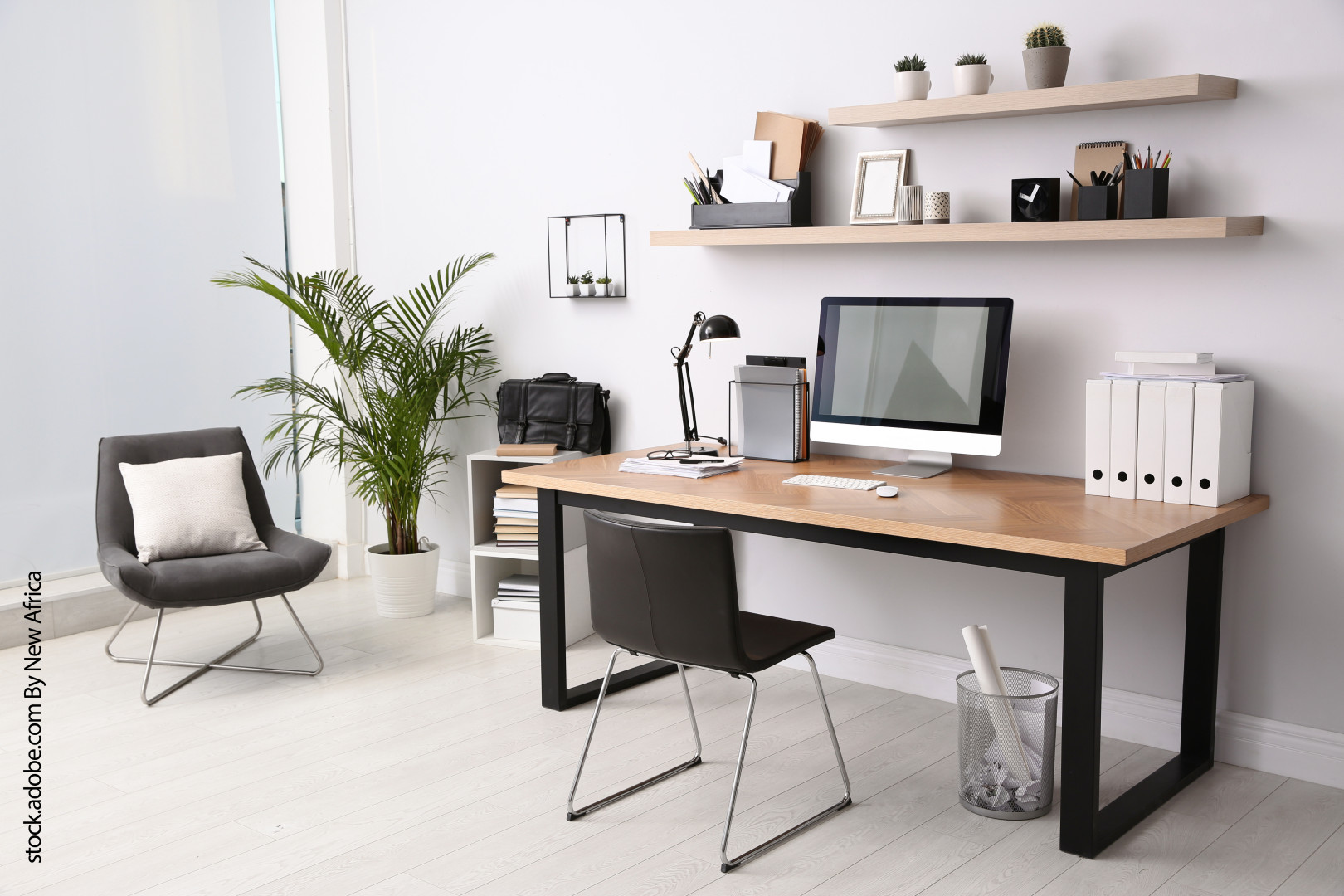

Why a Well-Designed Home Office Matters
Working from home has become a normal part of life for many professionals. Whether you work remotely full-time, run your own business, or simply need a dedicated place to manage personal tasks, having a well-designed home office can make a significant difference. A thoughtfully arranged workspace can improve productivity, reduce stress, and create a healthier working environment.
The key to a successful home office is balancing functionality with comfort. Your workspace should help you stay focused while also being pleasant to spend time in throughout the day. With careful planning, even a small spare room or a quiet corner of your home can be transformed into an efficient and inspiring office.
Choosing the Right Location
The first step in creating a home office is selecting the best possible location. Ideally, you should choose an area that offers privacy and minimal distractions. A separate room is often the best option, but if that is not available, a quiet corner in your living room or bedroom can work just as well.
Natural light is another important consideration. Positioning your desk near a window allows daylight to brighten your workspace, helping to reduce eye strain and improve your mood. However, it is also wise to consider how sunlight changes throughout the day to avoid glare on your computer screen.
Noise levels should also be taken into account. If your home is busy, consider using noise-cancelling headphones or adding soft furnishings, such as rugs and curtains, to absorb sound and create a calmer environment.
Selecting Comfortable Furniture
Furniture plays a crucial role in both comfort and productivity. A sturdy desk with enough surface area for your computer, documents, and accessories is essential. The height of your desk should allow you to work comfortably without placing unnecessary strain on your shoulders or wrists.
Equally important is choosing high-quality office chairs that provide proper lumbar support and encourage good posture. Sitting for extended periods can lead to discomfort if your chair is not ergonomically designed. Adjustable features such as seat height, armrests, and back support can make a considerable difference to your daily comfort.
Storage solutions should not be overlooked either. Shelves, filing cabinets, and drawer units help keep your workspace organised, making it easier to locate important documents and reducing visual clutter.
Creating an Organised Workspace
A tidy office encourages clearer thinking and greater efficiency. Begin by removing unnecessary items from your desk and only keeping frequently used equipment within easy reach. Cable organisers can prevent wires from becoming tangled, while desktop organisers provide designated spaces for stationery and small accessories.
Digital organisation is equally valuable. Creating clearly labelled folders on your computer, regularly backing up important files, and maintaining an organised email inbox can save valuable time and reduce frustration.
It is also beneficial to establish a daily routine for tidying your workspace. Spending just a few minutes at the end of each working day can help ensure you begin the following morning with a clean and organised environment.
Lighting and Decoration
Good lighting is essential for maintaining concentration and protecting your eyesight. While natural daylight is ideal, it should be supplemented with quality task lighting for darker days or evening work. An adjustable desk lamp allows you to direct light exactly where it is needed without creating excessive glare.
Decorating your home office can also have a positive effect on motivation. Neutral colours often create a calm atmosphere, while carefully chosen accent colours can add personality and energy. Houseplants are an excellent addition, as they introduce greenery, improve the appearance of the room, and contribute to a more relaxing environment.
Personal touches such as framed photographs, artwork, or inspirational quotes can make the space feel welcoming without becoming distracting.
Technology and Connectivity
Reliable technology is fundamental to an effective home office. A fast internet connection, a dependable computer, and quality peripherals such as a keyboard, mouse, and monitor all contribute to a smoother working experience.
Depending on your role, you may also benefit from a second monitor, a webcam with high image quality, or a dedicated microphone for virtual meetings. Investing in reliable equipment can reduce technical issues and improve communication with colleagues and clients.
Regular software updates and strong cybersecurity practices are equally important. Using secure passwords, enabling two-factor authentication, and keeping antivirus software up to date help protect sensitive information.
Maintaining a Healthy Work-Life Balance
Although a comfortable home office can make work more enjoyable, it is important to maintain clear boundaries between work and personal life. Establishing regular working hours helps create structure and prevents work from extending into your evenings.
Taking regular breaks is equally important. Standing up, stretching, and walking around every hour can improve circulation and reduce physical discomfort. Staying hydrated and ensuring good ventilation also contribute to overall wellbeing.
At the end of the working day, switching off your computer and leaving your workspace can provide a clear mental separation between professional responsibilities and personal time.
Conclusion
Creating a functional and comfortable home office requires careful planning, but the benefits are well worth the effort. By selecting the right location, investing in ergonomic furniture, maintaining an organised workspace, and paying attention to lighting, technology, and wellbeing, you can create an environment that supports both productivity and long-term health. A thoughtfully designed home office not only makes daily tasks easier but also contributes to greater job satisfaction and a more balanced lifestyle.