

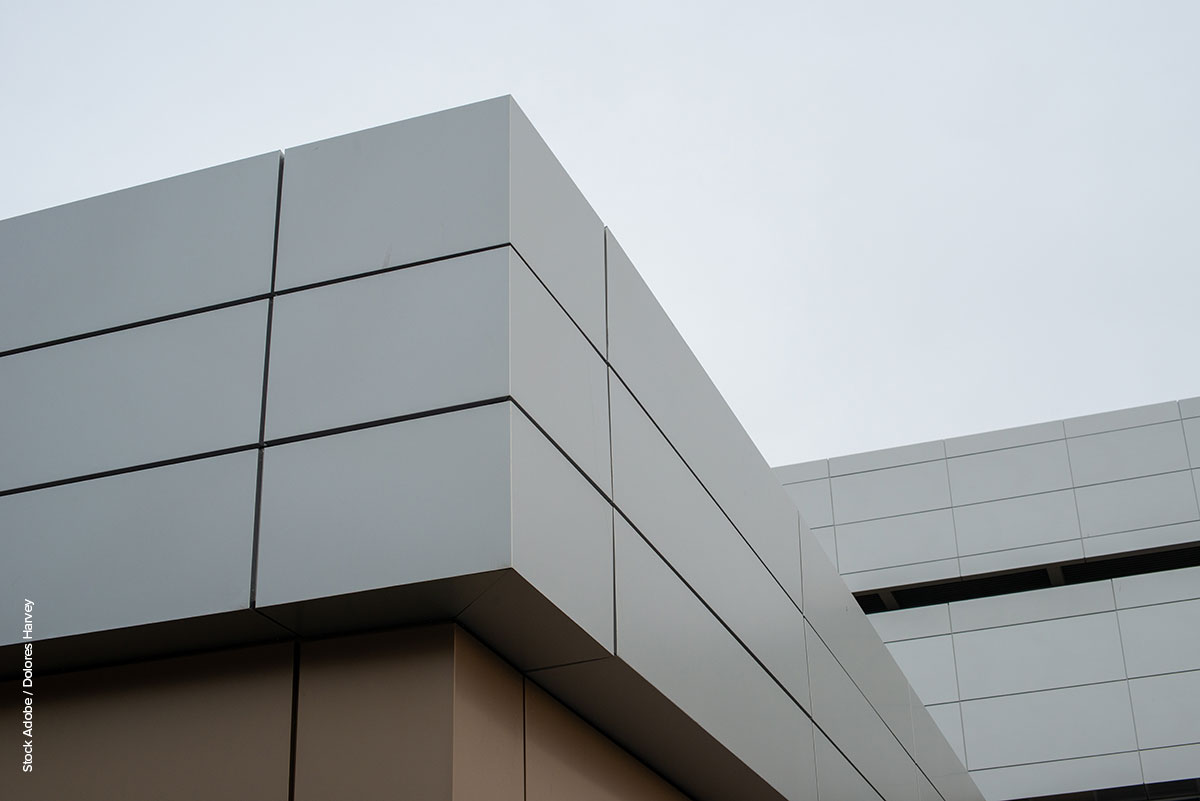

The use of aluminum cladding is increasing as architects and designers look for more practical and flexible options for building exteriors and interiors. There are several reasons behind this shift. Aluminum offers design flexibility, different finishing options, and the ability to create different looks without being limited to one type of architectural style.
But aluminum cladding today is not the same as the systems that were commonly used in the past. Installation methods have changed, customization has expanded, and the material can now be used across more areas of a project. So, when you are choosing aluminum cladding, it is worth looking at more than just the appearance of the panel.
From Traditional to Modern
Traditional aluminum cladding often involved more work during installation. Depending on the system, the process could include welding, additional fabrication, cutting, and other work on site. This could make the installation more dependent on labor and the conditions at the project site.
The market now has systems that take a different approach. Some aluminum cladding systems are designed around simpler fitting methods, including fit and snap-lock technology. These systems can be installed without welding, which can make the installation process more straightforward and may reduce the amount of labor involved.
The development has also gone beyond installation. Architects and designers can now look at different profiles, widths, colors, textures, and finishes when selecting aluminum cladding. This gives more room to work with the original design instead of changing the design around the limitations of the cladding system.
Start With Installation
The installation method is one of the first things to look at when comparing aluminum cladding options.
In the market, you can find systems that do not require welding and use fit and snap-lock technology instead. The way these systems connect can simplify the installation process and reduce some of the work normally associated with traditional aluminum cladding.
This can also have an effect on labor costs. When less fabrication and welding are required on site, the installation process can be different from a system that needs more skilled site work.
For a project, check how the panels are connected, what support structure is needed, whether cutting is required, and how much preparation will be needed before installation begins. These details can make a difference once the project moves from drawings to the construction site.
Check Design Options
Once the installation method is understood, the next thing to look at is the design.
Aluminum cladding is available in a range of finishes, profiles, colors, textures, and dimensions. This means you can select the appearance based on the building rather than working with only one standard finish.
For example, a project may need a simple solid-color appearance, while another may be better suited to a wood-look finish. Wood aluminum panels can be used when the design calls for the appearance of timber while keeping aluminum as the cladding material.
There are also projects where the standard options are not enough. In those cases, custom profiles, dimensions, or finishes can be considered. When looking at custom aluminum cladding solutions, check what the manufacturer can actually produce and how those options will work with the rest of the facade design.
Consider the Application
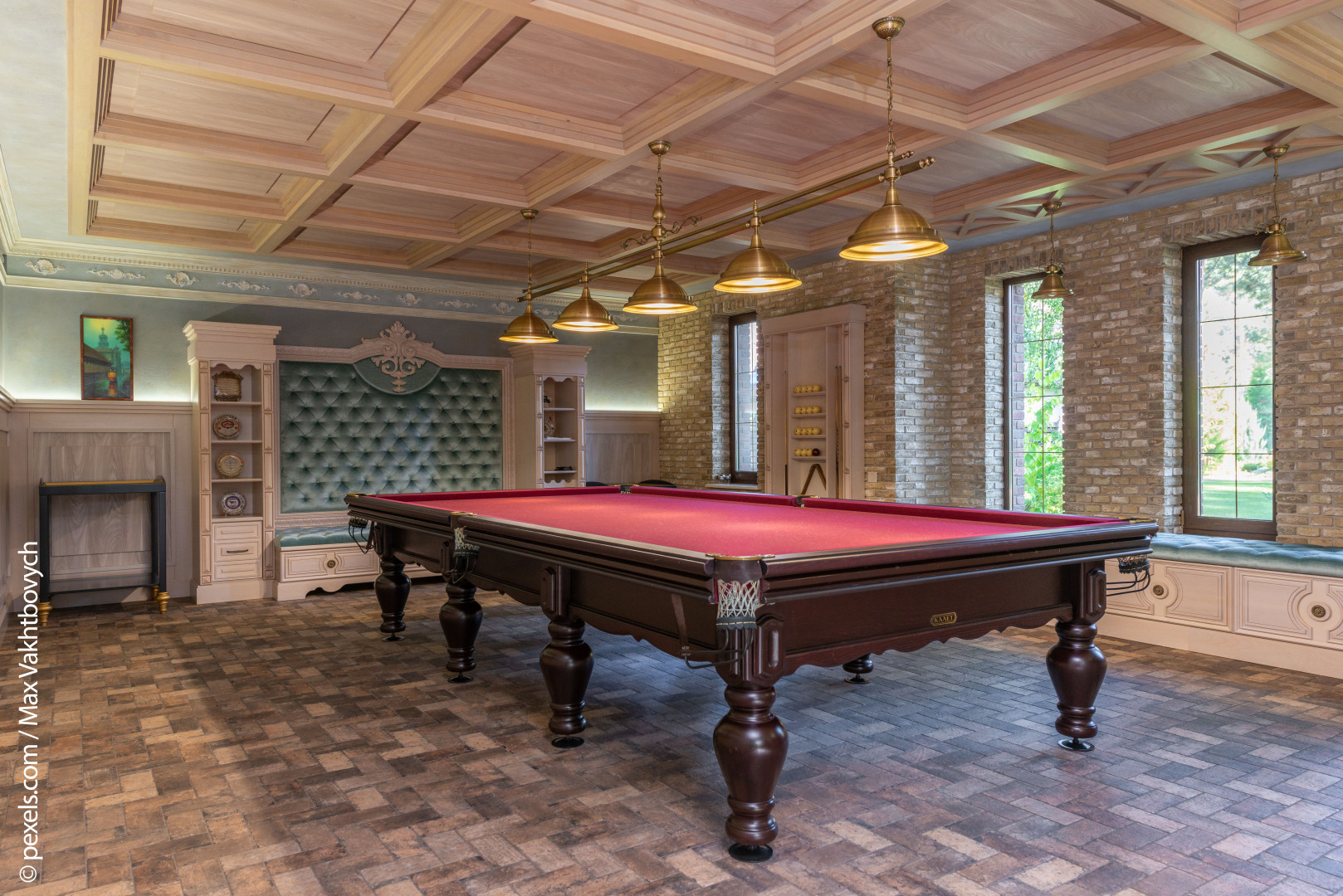
Aluminum cladding can be used in more areas of a building than just the exterior facade.
Depending on the product, it can be used as siding, for exterior walls, interior wall designs, ceilings, feature areas, and other architectural applications.
However, the same product may not be the best choice for every application. An exterior facade has different requirements from an interior ceiling, and a building in a particular environment may have different considerations from one in another location.
Before selecting a system, look at where the cladding will be installed, what conditions it will be exposed to, how it will be maintained, and what type of appearance you want at the end.
Look Beyond Material Cost
Cost is another part of the selection process, but the panel price alone does not show the full project cost.
The final cost can vary based on the product, installation method, project size, finish, customization, supporting structure, and the final result you want.
For example, a system that uses a simpler installation method may have different labor requirements from one that involves welding and more on-site fabrication. A standard finish may also be priced differently from a custom finish or profile.
If you are researching aluminum siding replacement cost, look at the complete installation rather than only comparing the price per panel. Removal of existing material, preparation, labor, installation, and the selected finish can all form part of the final cost.
Match It to the Design
The cladding should also make sense with the rest of the building.
Look at how it will work with windows, doors, glass, roofing, stone, wood, and other materials already included in the design. The direction of the panels, profile, joints, and finish can change the way the facade is perceived.
This is also where samples can be useful. A finish shown on a small sample or screen can look different when it is used across a large wall or facade. Looking at the actual material can give a better idea of the texture, color, and overall appearance.
Make the Final Choice
Choosing aluminum cladding is not simply about finding a panel that looks good. Architects and designers also need to consider how it will be installed, where it will be used, what customization is available, and how much the complete installation is likely to cost.
Start by looking at the installation system and then move through the design, application, finish, customization, and cost. This gives you a clearer comparison between the available options.
With current aluminum cladding systems, you can use the material across exterior walls, siding, ceilings, and interior designs while having more flexibility over the final appearance. The best option for a project is the one that fits the building, the installation approach, and the design you are trying to achieve.
FAQs
Is aluminum cladding suitable for interior use?
Depending on the product and its specifications, aluminum cladding can be used for interior walls, ceilings, feature areas, and other interior applications.
Does aluminum cladding require welding?
Not necessarily. Some systems use fit and snap-lock technology and are designed to be installed without welding. The installation process will depend on the particular cladding system.
Can aluminum cladding be customized?
Yes, customization can include different colors, finishes, textures, profiles, widths, dimensions, and wood-look options. The available choices will depend on the system and manufacturer.