



Something like 1.9 billion people are dealing with a skin condition right now. That number sounds made up, but it comes straight from the WHO. For a problem this widespread, treatment options stayed surprisingly stale for decades: cortisone cream, maybe methotrexate if things got bad, and a referral to a dermatologist who couldn't see you for nine months.
A few things have shifted recently, though. And some of them are worth paying attention to.
UV Therapy Escaped the Clinic
Phototherapy for psoriasis and vitiligo has been around since the 1920s. What kept it from being more widely useful was the logistics: patients had to visit a hospital or clinic three times a week, strip down, stand in a UV cabinet, and keep that up for months. Most people quit before finishing.
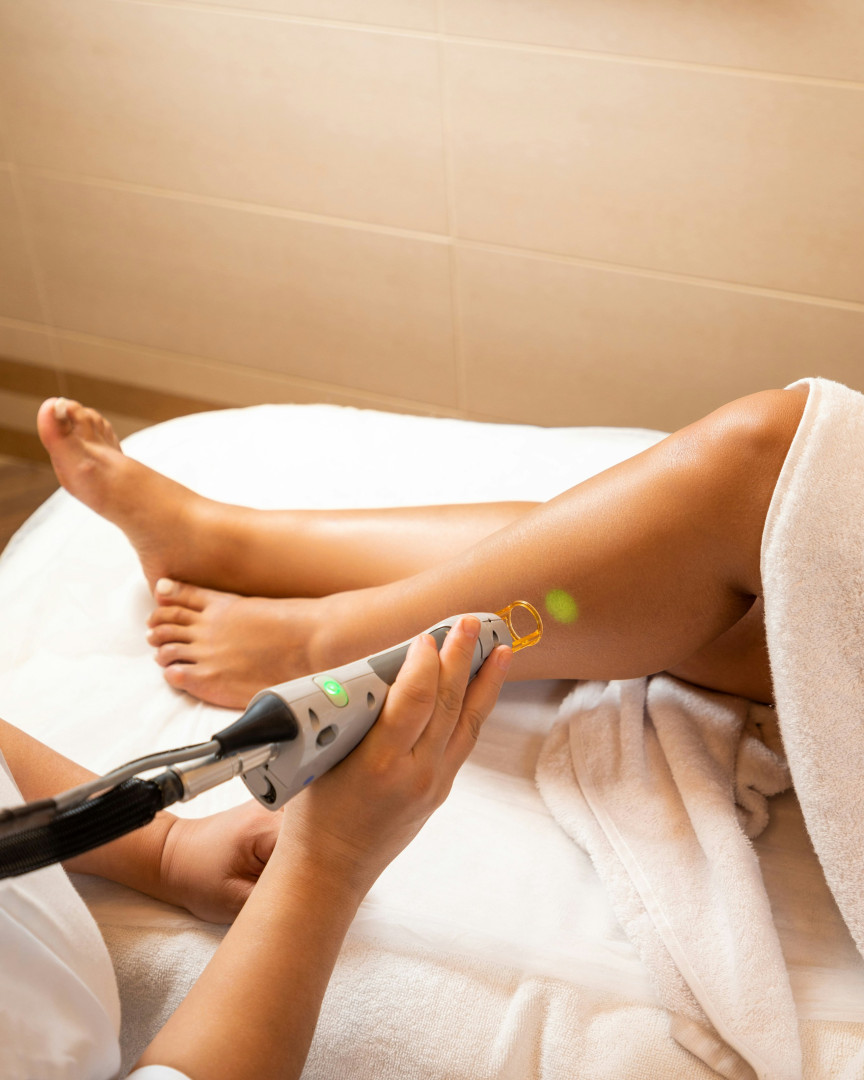
That model is finally cracking. Smaller, targeted devices can now deliver precise UV wavelengths to affected areas only, which cuts unnecessary exposure to healthy skin. European companies like uvtactus have built home phototherapy systems with app-guided dosing, device usage guidelines, and practical advice. Patients treat their own skin on their own schedule.
And the clinical data backs it up. Home narrowband UVB devices work nearly as well as in-clinic treatment for mild-to-moderate psoriasis, with remission rates only 5–10% lower. When you compare that to the hassle and cost of 48 annual hospital visits, home treatment starts looking like the obvious choice for a lot of people.
Phone Cameras Are Becoming Diagnostic Tools
The UK has about 3.5 dermatologists per 100,000 people. Parts of sub-Saharan Africa? Fewer than one per million. Those numbers explain why AI screening tools caught on so quickly.
Google Health trained a model that can identify 288 skin conditions from smartphone photos. Samsung built similar features into its camera software. These aren't meant to replace a dermatologist sitting across from you, but for someone in a rural area with zero access to a specialist, getting a credible first screening from a phone app is a real step up from nothing.
The obvious problem is bias in training data. Most image datasets skew heavily toward lighter skin, which tanks accuracy for darker complexions. A Nature report on NHS trials of AI dermatology tools found that while accuracy can match specialist levels, broadening that reliability across all skin tones is still an open problem.
Teledermatology Turned Out to Be a Natural Fit
COVID pushed telehealth into every specialty whether it was ready or not. Dermatology, as it turned out, was more ready than most. Skin conditions are visual. A decent photo and a short patient history cover 90% of what a dermatologist needs for an initial assessment.
Store-and-forward platforms are doing the heavy lifting here. Patients snap photos, add symptom notes, and a dermatologist reviews everything asynchronously. No scheduling, no video call awkwardness. NHS England's teledermatology roadmap lays out how these digital pathways went from emergency stopgap to permanent infrastructure. Regions where patients once waited 18 months for an appointment got that down to days.
Both doctors and patients seem to prefer it for straightforward cases, which says a lot.
Skin Sensors That Warn You Before a Flare-Up
This one sounds futuristic, but working prototypes already exist. Researchers have built flexible patches, thinner than a standard bandage, that sit on the skin and continuously measure hydration, pH, temperature, and inflammation markers.
Labs in Seoul and California have tested patches that detect eczema flare-ups 12 to 24 hours before any visible symptoms show up. Think about what that means practically: instead of reacting to a flare once it's already bad, patients could treat it before it even surfaces.
The data trail matters too. A dermatologist who only sees you every few months gets a snapshot. Continuous sensor data gives them weeks of information about how your skin reacts to specific medications, weather shifts, stress, even sleep quality. That's a completely different basis for treatment decisions.
Genetic Testing Is Cutting Out the Guesswork
Psoriasis has over 80 identified genetic risk loci. Two patients whose plaques look identical could have different immune mechanisms driving the disease. Treating both the same way was always a compromise, and often a bad one.
Pharmacogenomic testing can now predict whether a particular patient will respond to methotrexate or whether they'd do better going straight to a biologic like adalimumab. That matters because cycling through medications that don't work eats up months or years of someone's life.
Biologics have already changed outcomes for people with severe psoriasis and eczema. The Wikipedia overview of biopharmaceuticals is a decent primer on how these drugs differ from traditional immunosuppressants. Combining genomic profiles with AI-driven treatment matching could eventually mean getting the right drug on the first attempt instead of the third or fourth. For patients who've been through that cycle, the difference is hard to overstate.
What's Still Holding Things Back
Most of the technology described above exists today, at least in some form. The bottleneck isn't engineering. It's everything else.
Insurance reimbursement hasn't caught up with home phototherapy or wearable monitoring. Regulatory approval for AI diagnostic tools moves at different speeds depending on which country you're in. And access gaps remain stubbornly wide: the patients who'd benefit most from remote diagnostics and home treatment tend to be the last ones who get it.
None of this is unfixable. But it won't happen on its own, either. Policy needs to catch up with what the technology already makes possible. For the 1.9 billion people living with skin conditions, even modest improvements in how care gets delivered can make an outsized difference in daily life.