



I first visited Oxford University Museum of Natural History in 2004, a year after I started my history degree at Oxford. Studying a humanities subject, I have to admit that I am not intuitively drawn to science. It was actually the subject I disliked the most at school.
But it is the accessibility of this museum – and its exceptional collections – which make it so unique. I was entranced by the building, the seemingly fantastical objects on display, as well as their presentation.
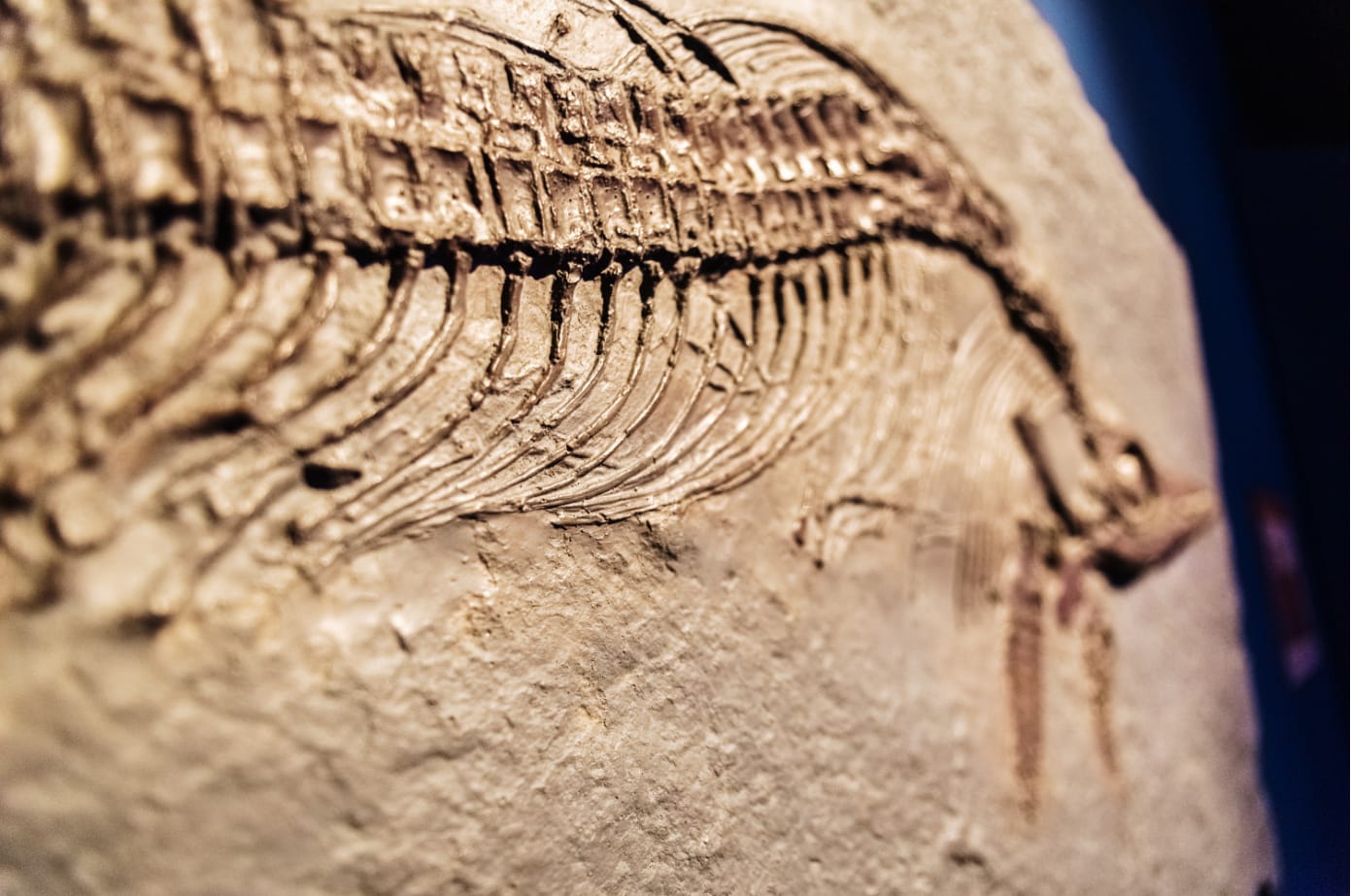
For this column I am going to focus on one item which really captured my imagination – Mary Anning’s ichthyosaur.
Ichthyosaurs are not strictly speaking dinosaurs, but large marine reptiles. They are first found at the beginning of the Mesozoic Era, approximately 250 million years ago, and died out during the Late Cretaceous, approximately 90 million years ago.
Ichthyosaurs coexisted with the dinosaurs and were for millions of years the largest predators in the sea. Species varied in length, but some grew to be 20 metres – imagine a gigantic dolphin with rows of razor sharp teeth.
Mary Anning was an early fossil hunter and palaeontologist, who lived at the beginning of the 19th century. She lived in Lyme Regis and achieved some fame during her lifetime as the woman who kept digging up monstrous giant lizards, although she only partially participated in the male-dominated scientific community.
One of her finds, an ichthyosaur, discovered before 1836, is on display at the Museum of Natural History. It is approximately 195 million years old and is so well preserved that fish bones and scales from its last meal can still be seen in its rib cage.
The fossil has recently been re-identified as a juvenile of Ichthyosaurus anningae, named after Anning.
In 2010 I spent a weekend in Lyme Regis with a friend. We hired a fossil guide for the day, who taught us about the Jurassic coastline, and went fossil hunting. We may not have had as much success as Anning, but we had lots of fun. I have since returned several times.
Had it not been for my encounter with the ichthyosaur at the museum, I might never have visited Lyme Regis or learnt more about fossils. A new interest was awakened.
I encourage you to visit the Natural History Museum, which aims to reopens in September.