


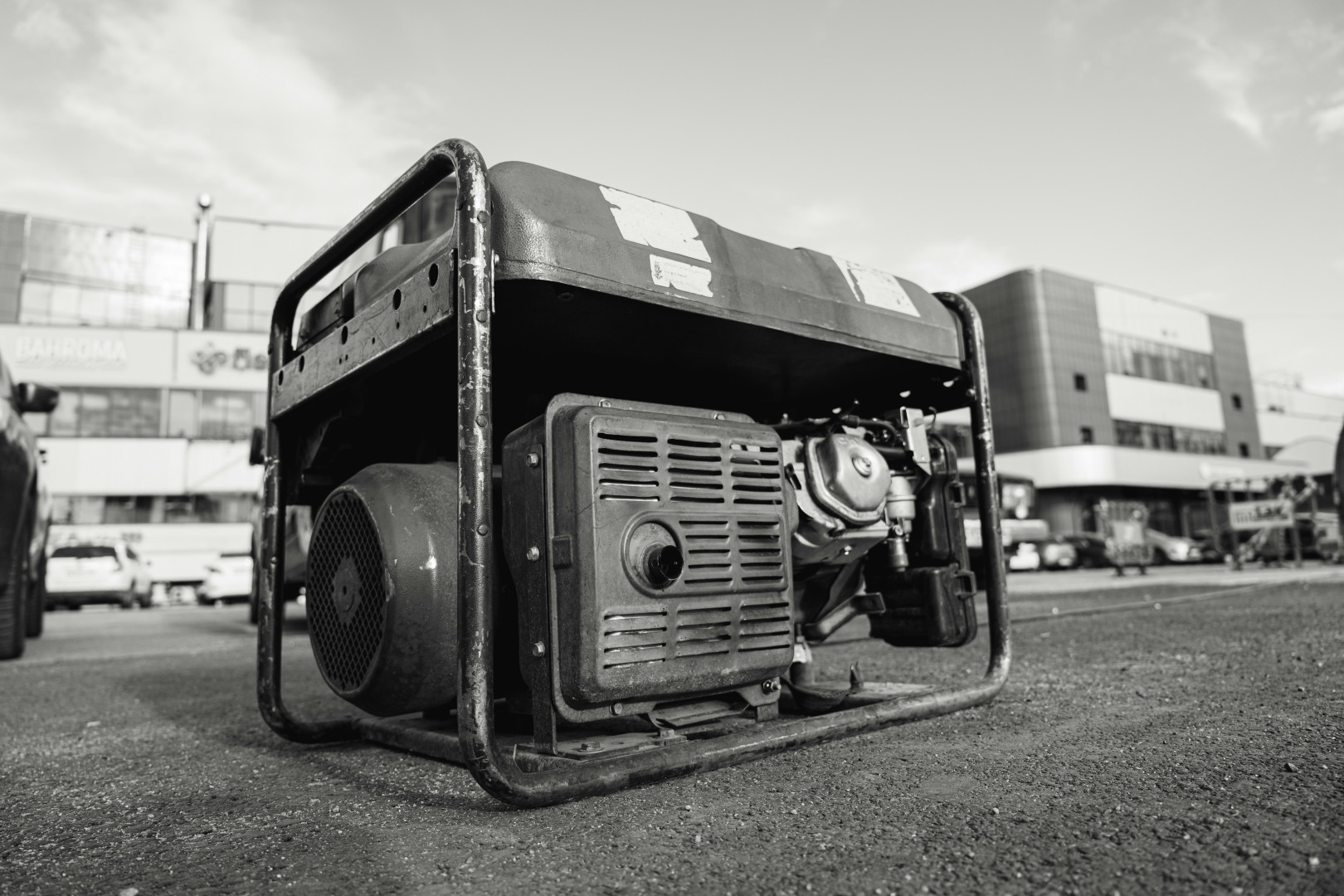

An essential piece of equipment for businesses and homes alike, a diesel generator is a reliable power source. From powering large construction sites and data centers to providing backup during a power outage at home, these machines have proven their worth over decades. While the world shifts toward greener energy solutions, the diesel generator remains a significant player in the United Kingdom's energy landscape, a fact highlighted by its projected market growth. The UK's diesel generator market is expected to reach a revenue of $802.4 million by 2030, growing at a CAGR of 7.7% from 2025. This growth is largely driven by a rise in data centers and the manufacturing sector, as well as a growing awareness of the need for emergency power systems.
How a Diesel Generator Works
A diesel generator, also known as a diesel genset, is a machine that converts the chemical energy stored in diesel fuel into electrical energy. The process is a classic example of energy transformation. At its core, a diesel generator consists of two main parts: a diesel engine and an alternator.
The process begins with the engine, which functions much like the engine in a car. It draws in air and compresses it to a very high pressure. A fine mist of diesel fuel is then injected into this highly compressed, hot air. Unlike a petrol engine, which uses a spark plug to ignite the fuel, the heat from the compression is enough to ignite the diesel, causing a powerful combustion. The expanding gases from this combustion push a piston, which in turn rotates a crankshaft. This mechanical rotation is the key to the entire process.
The alternator, also known as the generator end, is attached to the engine's crankshaft. As the crankshaft spins, it rotates a series of magnets inside a coil of copper wire. This rotation creates a moving magnetic field, which in turn induces an electric current in the wire coils. This is the fundamental principle of electromagnetic induction, as discovered by Michael Faraday. This induced current is the electricity that powers your appliances, tools, and machinery.
To ensure the generator produces stable and usable power, a voltage regulator is used to control the output. A control panel acts as the brain of the operation, monitoring key parameters like voltage, frequency, and fuel levels.
The UK Diesel Generator Market: Trends and Regulations
The diesel generator market in the UK is a dynamic one, shaped by a mix of economic drivers and increasingly strict environmental regulations. The market is not just about large-scale industrial generators; the demand for low-power gensets for residential and small commercial use is also on the rise.
Key Trends in the UK Market
- Growth in Data Centers: The UK is a major hub for data centers in Europe. These facilities require constant, uninterrupted power, making diesel generators a crucial part of their backup and emergency power strategies. This sector is a significant driver of demand for medium and high-power gensets.
- Industrial and Commercial Demand: The manufacturing and commercial sectors continue to rely on diesel generators for both prime and standby power. The need for reliable energy to prevent costly downtime from power outages is a major factor.
- Shift Towards Low-Power Gensets: There is increasing demand for smaller, more portable diesel generators for residential use and small commercial buildings. This is driven by a greater awareness of the need for backup power in a world where power outages can disrupt everything from work to daily life.
Navigating UK Regulations
The UK government and local authorities, particularly in London, are implementing stricter regulations to curb emissions from Non-Road Mobile Machinery (NRMM), which includes diesel generators. These regulations, often referred to as EU Stage standards, aim to reduce the release of pollutants like nitrogen oxides (NOx) and particulate matter (PM).
- Stage V Emissions Standards: From January 1, 2025, all generators used on sites within Greater London, the Central Activities Zone (CAZ), and Opportunity Areas must comply with Stage V emissions standards. This is a significant change from the previous Stage IIIB and IV standards.
- Future-Proofing: Businesses and individuals need to be aware of these regulations when purchasing or hiring a generator. The trend is moving towards even stricter rules, with a goal of zero-emissions equipment by 2040. This means that when investing, considering a "future-ready" machine is a wise choice.
- Operating Hours and Permits: Certain generators, particularly those with a rated thermal input between 1MWth and 50MWth, are subject to "specified generator controls." This includes limits on testing time for backup generators, which is capped at 50 hours per year unless a written agreement is obtained from the regulator. Operators are required to maintain records to demonstrate compliance.
Pros and Cons of Diesel Generators
Like any technology, diesel generators have their own set of advantages and disadvantages. Understanding these can help you make an informed decision when considering one for your power needs.
Advantages of Diesel Generators
- Fuel Efficiency: Diesel engines are known for their high compression and efficient combustion. They can produce more power per liter of fuel than their petrol counterparts, making them more cost-effective to run over the long term. This is a significant factor in the UK, where the price of diesel fuel can fluctuate.
- Durability and Longevity: Diesel generators are built to last. They have fewer components than petrol engines (no spark plugs, for example) and run at a lower temperature, which reduces wear and tear. A well-maintained diesel generator can have a lifespan three times longer than a petrol generator.
- High Power Output: For larger power demands, such as those for industrial sites, hospitals, or data centers, diesel generators are the go-to choice. They are capable of handling heavy loads for extended periods without faltering.
- Safety: Diesel fuel is less volatile and less flammable than petrol, making it safer to store and handle.
Disadvantages of Diesel Generators
- Higher Upfront Cost: Diesel generators are generally more expensive to purchase than petrol or natural gas models, especially for smaller units.
- Noise and Emissions: While modern generators are quieter, older or cheaper diesel models can be quite noisy. They also produce more harmful emissions, including NOx and particulate matter, which is why regulations are becoming increasingly strict. They must be operated in a well-ventilated area to prevent a buildup of fumes.
- Size and Weight: Diesel generators, especially those with larger fuel tanks, tend to be bigger and heavier than other types, which can make them less portable.
How to Choose the Right Diesel Generator for Your UK Home
While diesel generators are often associated with commercial and industrial use, they are a very viable option for homeowners looking for a reliable backup power source. Here's what to consider before you buy.
1. Determine Your Power Requirements
The first and most critical step is to calculate the wattage you'll need. This isn't just about adding up the wattage of the appliances you want to run. You also need to account for starting wattage, which is the initial power surge required by appliances with an induction motor (like fridges, air compressors, or power tools). This can be two to three times the running wattage. A good rule of thumb is to add a 20% "headroom" to your total calculated wattage to ensure the generator isn't running at maximum capacity all the time.
2. Understand Generator Types
- Portable Generators: These are ideal for temporary or infrequent use, such as for DIY projects, camping, or short power cuts. They are smaller and can be moved around.
- Standby Generators: These are permanently installed and typically connected to your home's electrical system via a transfer switch. They automatically turn on when a power outage is detected, providing a seamless transition. They are a significant investment but offer peace of mind.
3. Factor in Noise Levels
Noise can be a major concern, especially in a residential setting. Look for generators with sound-attenuating canopies or those specifically marketed as "silent." Make sure the location of your generator is far enough away from your own windows and those of your neighbours to avoid noise complaints.
4. Consider the Cost of Ownership
While a diesel generator might be more expensive to buy, it can be cheaper to run in the long term due to its fuel efficiency. You also need to factor in the cost of maintenance and any potential repairs. For homeowners, a diesel generator over 10 kVA is often recommended as the most cost-effective choice in the long run.
Maintenance and Servicing: Keeping Your Generator in Top Shape
A diesel generator is a complex piece of machinery that requires regular maintenance to ensure its reliability and longevity. Proper upkeep is crucial to avoid costly breakdowns and ensure it's ready when you need it most.
Essential Maintenance Tasks
- Oil and Filter Changes: Just like a car, a generator engine needs regular oil and filter changes. This should be done based on the manufacturer's recommended intervals, typically every 100 to 200 operating hours.
- Fuel System Inspection: Check the fuel lines, filters, and injectors for contaminants or blockages. Diesel fuel can degrade over time, especially when the generator is not used often, so it's a good idea to use fuel stabilizers if storing it for long periods.
- Cooling System Check: Regularly inspect the radiator and coolant levels to prevent overheating. Ensure the radiator fins are clean and free of debris.
- Battery Maintenance: The starter battery is the most common point of failure for standby generators. Regularly check the terminals for corrosion and test the battery's charge.
- Load Testing: This is a crucial step for generators that are rarely used. Running a generator at low or no load for extended periods can cause "wet stacking," where unburned fuel and carbon build up in the exhaust. Load testing, which involves connecting the generator to a device that draws a controlled load, prevents this and ensures all components are working correctly.
While routine checks can be done by the owner, it is highly recommended to schedule professional servicing at specified intervals.
Hire vs. Buy: Which is the Best Option?
The decision to hire or buy a diesel generator is a common one for both businesses and individuals. There is no one-size-fits-all answer, as the best choice depends on your specific needs, budget, and frequency of use.
When to Hire a Diesel Generator
- Infrequent or Short-Term Use: If you only need a generator for a one-off event, a short-term project, or as a temporary backup during a scheduled power outage, hiring is the most cost-effective solution.
- Conserving Capital: Hiring avoids the large upfront cost of purchasing a generator, allowing you to preserve capital for other investments.
- Avoiding Maintenance: When you hire, the rental company is responsible for all maintenance, repairs, and compliance with regulations. This takes the hassle and expense of upkeep off your hands.
- Flexibility: Hiring gives you the flexibility to choose different sizes or types of generators for various needs without being tied to a single piece of equipment.
Typical hire prices for diesel generators in the UK can range from £100 to over £1,000 per week, depending on the size and runtime.
When to Buy a Diesel Generator
- Frequent or Long-Term Use: If your business or home frequently relies on backup power or operates in a remote area with an unreliable grid, purchasing a generator is often a better long-term investment.
- Lower Lifetime Cost: While the initial outlay is high, the total cost of ownership can be lower over a long period of frequent use.
- Immediate Availability: Owning your own generator means it's always available when you need it, eliminating the need to organize a rental during an emergency.
- Customization: When you buy, you can choose a model with the exact specifications and features you require for your needs.
The cost to purchase a new diesel generator in the UK varies widely. Smaller models (up to 50kVA) can cost between £3,000 and £6,000, while larger units (over 100kVA) can be over £30,000. It's also important to budget for installation and ongoing maintenance, which can cost anywhere from £150 for a basic service to over £1,000 for a comprehensive one.