
As the skies stay grey, vitamin D becomes harder to get from natural sources. This nutrient plays a supporting role in bone strength, muscle function, and immune health. When sun exposure drops, food and drink become important ways to help top up your intake.
Below are some of the most practical and reliable dietary sources of vitamin D, including options that offer added support for your gut and immune system.
Salmon
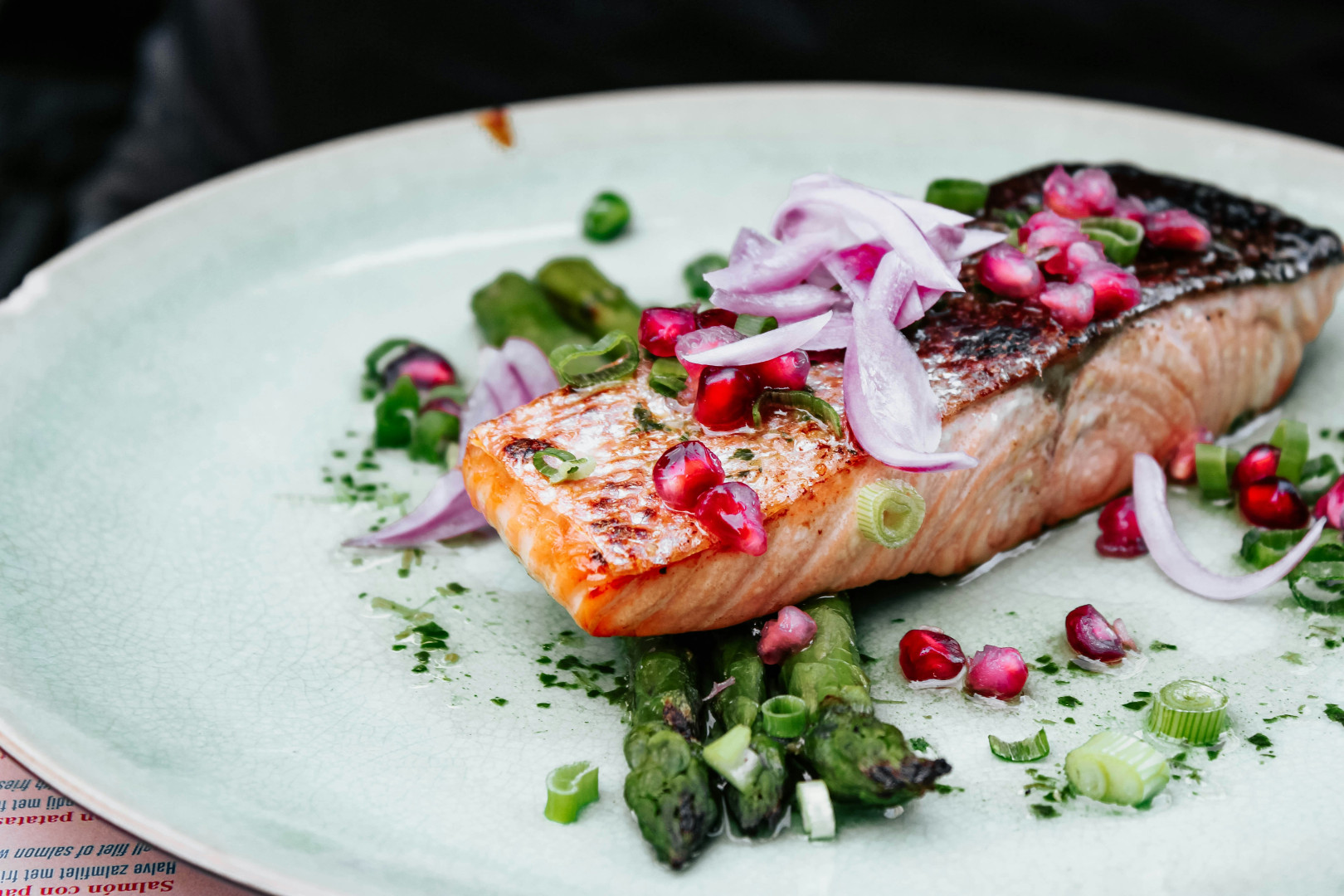
Oily fish like salmon are among the best natural sources of vitamin D. A typical 100g serving of cooked salmon can provide more than the daily recommended amount. It's also rich in omega-3 fatty acids, which contribute to heart and brain health.
Grilling or baking salmon with herbs, lemon juice, or spices is an easy way to enjoy it. Pair it with leafy greens or roasted vegetables for a balanced winter meal.
Including salmon once or twice a week can provide a meaningful boost to your vitamin D levels without relying on supplements.
Fortified Breakfast Cereals
Breakfast is an ideal opportunity to include more vitamin D, especially with cereals that are fortified. Many brands clearly list vitamin D on the label, and combining them with fortified plant milk can further increase your intake.
This option suits busy mornings and offers consistency. Look for cereals that are lower in added sugar and higher in whole grains. Adding fruit or nuts provides fibre and natural sweetness, supporting gut health alongside vitamin D intake.
Eggs
Egg yolks contain small amounts of vitamin D, and they’re one of the few natural sources found in animal products. Including them a few times a week can help round out your intake, especially if you're not consuming fortified products daily.
Boiled, scrambled, or poached eggs are easy to incorporate into meals. They also provide protein and healthy fats, making them a nutritious addition to toast, salads, or grain bowls.
Yakult Balance
Gut health is closely linked to immune function, with around 70% of immune cells located in the gut. A well-balanced microbiota helps regulate the body’s immune responses, and fermented milk drinks containing live bacteria can play a role in this.
Yakult Balance contains 20 billion L. casei Shirota bacteria, scientifically proven to reach the gut alive, and helps increase levels of lactobacilli and bifidobacteria in the gut. Each bottle also provides 30% of the recommended daily intake for vitamin D, which supports immunity, muscle function, and bone health. This is particularly important during months with limited sunlight.
Fat-free, gluten-free, lower in calories, and suitable for vegetarians, Yakult Balance is a simple addition to a daily breakfast routine, particularly when convenience is a priority.
Fortified Plant-Based Milks
For those avoiding dairy, fortified plant-based milks are an easy swap that can make a big difference. Soya, oat, almond, and rice drinks are often enriched with vitamin D, as well as calcium and vitamin B12.
They can be used in the same way as traditional milk—added to cereal, blended into smoothies, or warm drinks. Checking the label ensures you're getting the fortified version, as not all varieties are enriched equally.
Mushrooms (UV-Exposed)
Some mushrooms, when exposed to ultraviolet (UV) light during growth, contain meaningful amounts of vitamin D2. This makes them a helpful option for those seeking plant-based sources.
Mushrooms work well in pasta, soups, stir-fries, or grilled on toast. Their earthy flavour pairs well with winter ingredients like garlic, thyme, and lentils.
While vitamin D2 isn’t quite as potent as D3, it still contributes positively when included as part of a diverse diet.
Cod Liver Oil
A traditional choice with a strong nutrient profile, cod liver oil offers both vitamin D and vitamin A. It’s available in capsule or liquid form and has been used for decades to support immune and bone health.
Because it’s concentrated, moderation is important—especially due to the high vitamin A content. Many people prefer the capsule format for ease of use.
This option is useful for those who have difficulty meeting vitamin D needs through food alone, though it may not be suitable for everyone. Always check with a health professional before starting any supplement.
Final Thoughts
Getting enough vitamin D during the winter months can feel like a challenge, but small, consistent choices help fill the gap. Whether it’s a portion of salmon, a fortified cereal, or a daily bottle of Yakult Balance, the key is finding options that fit easily into your routine.
Gut health plays a supporting role in immunity, and many of the foods mentioned help maintain microbial balance as well. Adding fermented foods, fibre, and diversity to your meals strengthens both gut and immunity.
Sunlight may be limited, but your nutrition doesn’t have to be. With a few smart adjustments, you can stay supported through every season.