Every great business has to begin somewhere, and more often than not it’s somewhere unglamorous. A spare room. A kitchen table. A garage with a leaky roof and a car that never quite fits. Plenty of household names are said to have started life in a garage, and today a new generation of makers, sellers and tradespeople is following suit, turning modest spaces into productive ones.
The challenge, of course, is room. Stock grows, orders multiply and the space stays stubbornly the same size. The answer isn’t always a bigger unit. Often, it’s a more thoughtful way of using the one you’ve already got.
Think Vertical First
Floor space is finite, but walls are a blank canvas. Before buying anything, look up. Most small workspaces use only the bottom third of their available height, which leaves a surprising amount of room going spare.
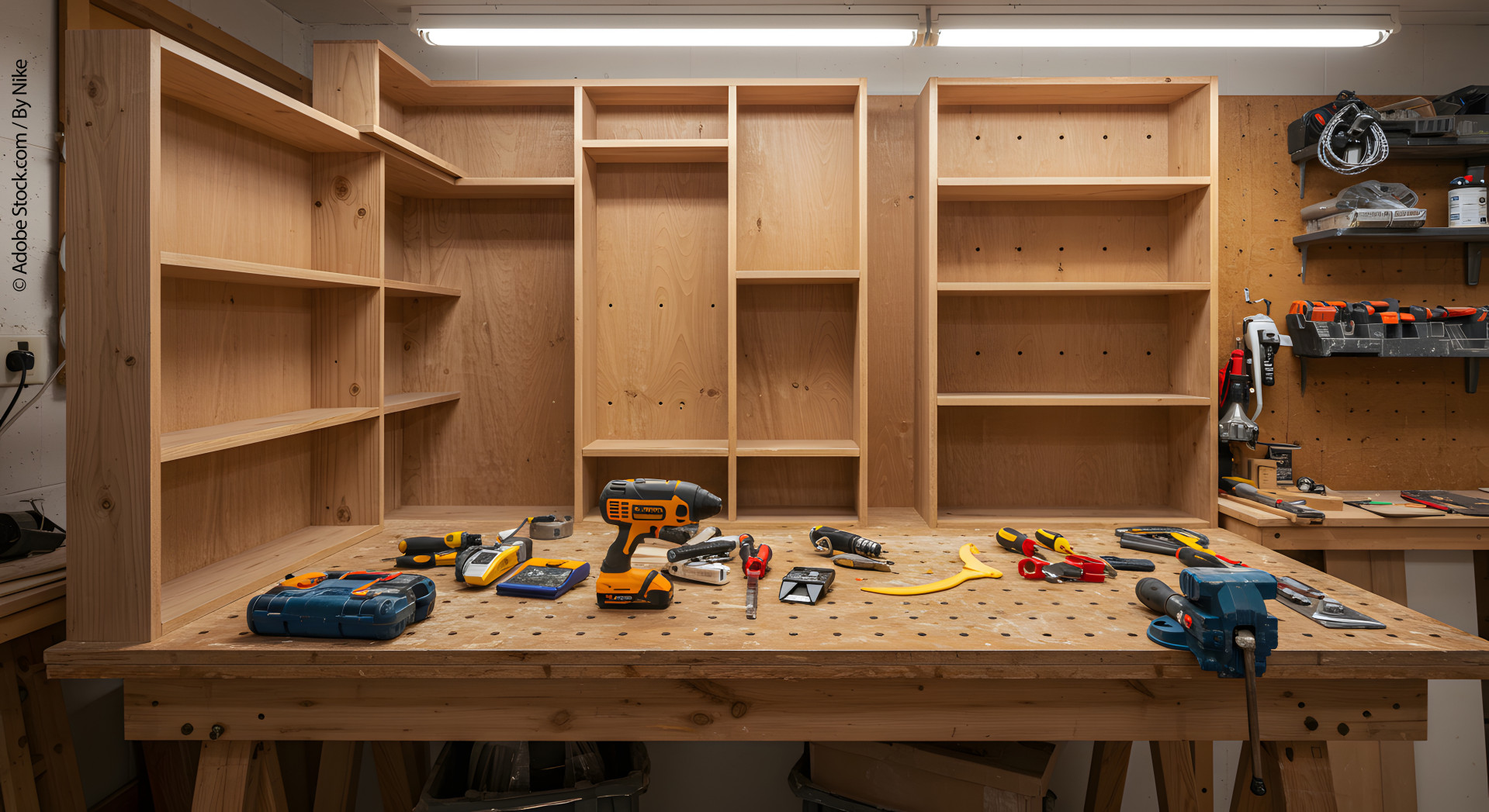
Sturdy garage shelving units are the obvious place to begin. Choose adjustable ones so the shelves can be rearranged as your range changes, and aim for units that reach well above head height, saving the top tiers for slower-moving stock or seasonal lines. Fix them to the wall, keep the heaviest boxes at the bottom, and suddenly the same footprint holds twice as much.
Build Around a Working Heart
Every small business has a place where things actually get made, packed or mended. In a garage setting, that’s usually the garage workbench, and it deserves proper thought.
Choose a bench that’s a comfortable height and robust enough for daily use, then think about what surrounds it. A shelf mounted above keeps materials within reach. Open shelving or drawers below make use of the space that’s normally lost beneath the worktop. A pegboard or rail on the wall holds the tools you reach for fifty times a day. Done well, the bench becomes a self-contained station: everything you need within arm’s length, nothing you don’t.
Creative Ideas That Earn Their Keep
Once the basics are in place, a few inventive touches can make a real difference.
- Shelving on wheels. Mobile units on lockable castors can be rolled out for busy packing days and tucked away for the rest of the week, which is handy if the space also has to double as a parking spot.
- A dedicated packing station. Keep boxes, tape, labels and wrapping on one set of shelves beside the bench, so orders flow smoothly from bench to box to door.
- Vertical storage for rolls and sheets. Packaging paper, fabric, vinyl or timber offcuts can stand upright in narrow slots rather than lying flat and swallowing shelf space.
- Clear bins and bold labels. Group stock by product or by order stage and label everything clearly, so anyone helping out can find what they need without asking.
- A display shelf for pop-ups. If you sell at markets or fairs, a spare set of shelves for your display pieces keeps your stall kit together and ready to load.
Match the Storage to the Stock
Not everything belongs on the same kind of shelf. Light, frequently picked items such as small products, labels and packaging suit open shelving between waist and shoulder height. Heavier goods like tools, raw materials and boxed stock belong low down on stronger units rated for the load. Slow movers can go high.
It’s worth taking a few moments to read the weight rating on any unit you buy, and to leave a margin for safety. Overloaded shelving is one of the most common and most avoidable storage mistakes.
Keep It Flexible
Small businesses change quickly. A product that sells well one season might be gone the next, and a space arranged around last year’s range can feel awkward by spring. Modular, adjustable storage lets you reconfigure without starting from scratch, which is kinder to the budget and better for the environment too.
A Few Practical Cautions
If you’re working from a garage or outbuilding, keep walkways and exits clear and make sure there’s enough light to see what you’re doing. Check that your insurance covers stock and equipment stored at home, and speak to your insurer if you’re unsure. Anything flammable, from solvents to packing materials, should be stored safely and kept away from heat sources.
Small Space, Considerable Ambition
A modest workspace doesn’t have to limit a business. With well-chosen garage shelving units, a properly planned garage workbench and a little imagination, even the tightest corner can be made to work hard. After all, the best businesses are rarely defined by the size of the room they started in, but by how well they used it.