


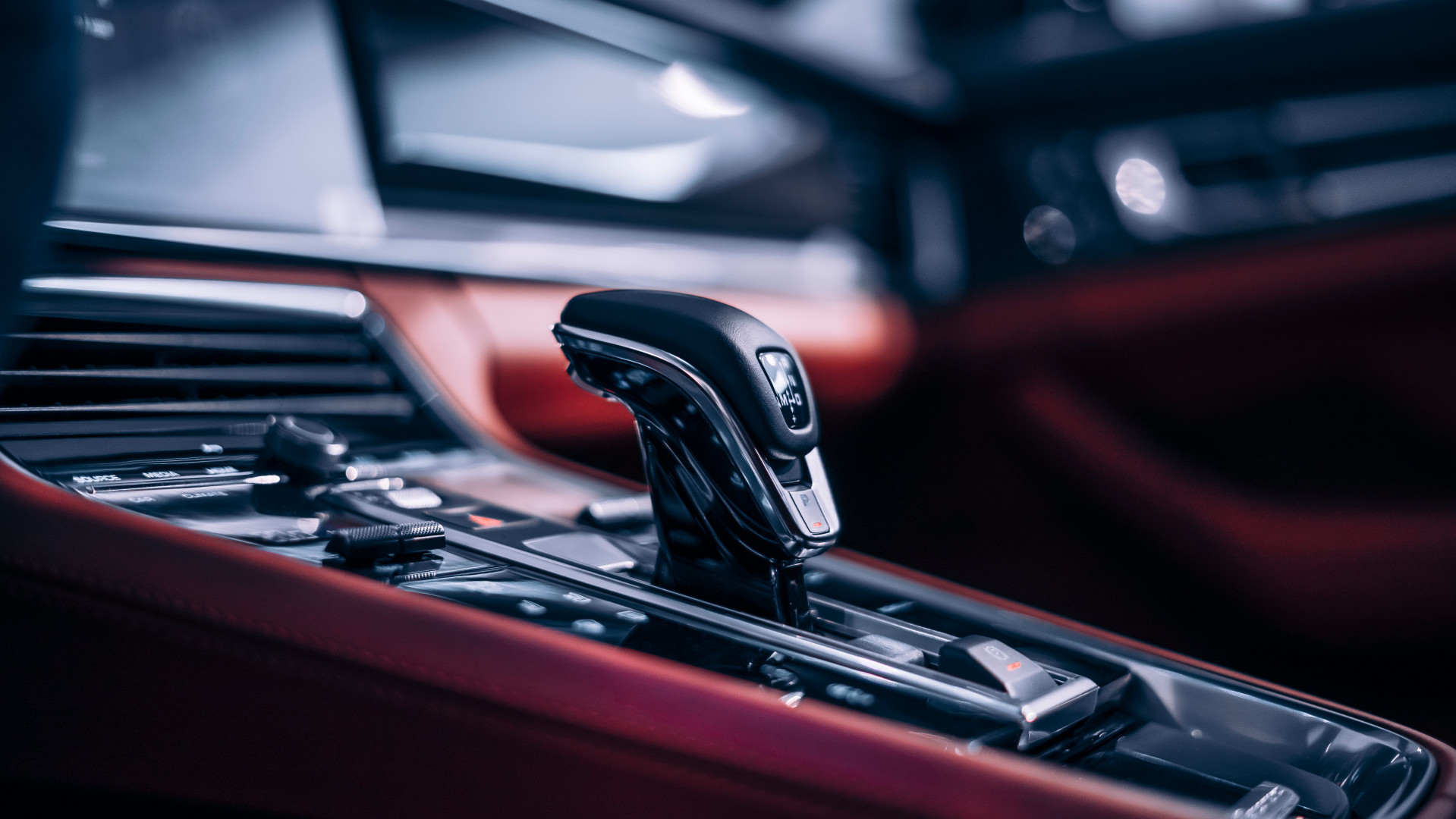

Driving has changed. Roads are busier, commutes are taking longer, and many people want daily tasks to feel simpler. That also includes the way that they drive.
For years, manual cars were seen as the normal choice in the UK. Learning to use gears and clutch control was almost expected. But attitudes seem to be changing. Automatic cars are not far more common, especially as more electric and hybrid vehicles start to show up.
A lot of drivers are starting to value comfort and ease over tradition. They want journeys that feel less stressful and more manageable, especially in crowded towns and cities.
That change is shaping the way people learn to drive and the kind of vehicles they choose for everyday life.
Driving Feels Less Tiring
One of the biggest differences with an automatic car is how relaxed you feel when driving. You don’t need to constantly change gears in traffic or worry about stalling at junctions. That is more important than what people think.
Stop-start traffic can quickly become frustrating in a manual vehicle. Constant clutch use puts pressure on your legs and your attention. Automatic cars remove that extra layer of work, allowing drivers to focus more on the road around them.
Many learners now choose automatic driving lessons because the process feels simpler from the beginning. They can spend more time improving awareness, parking, and road positioning instead of focusing on gear changes.
For nervous drivers, this often helps to build confidence faster.
Better for Busy Cities
Modern city driving comes with plenty of challenges. Narrow roads, traffic lights, crowded parking areas, and heavy congestion can make driving stressful even if you are an experienced driver.
Automatic vehicles fit naturally into that environment.
They make slow-moving traffic easier to handle and reduce the constant repetition that comes with manual driving.
For many people, convenience is now trumping tradition.
Thinking About the Cost of Driving
Buying a car is a major decision, especially with rising fuel, insurance, and maintenance costs. Before choosing a vehicle, many drivers now spend time working out how much car they can afford based on their monthly budget and lifestyle.
That approach makes sense.
A car should be something that fits in comfortably with your finances without creating pressure every month. Automatic cars sometimes cost more upfront, but many drivers feel the extra comfort and convenience are worth considering.
It also helps to think about the long term. Fuel economy, insurance groups, servicing costs, and finance payments all play a part in the real cost of owning a vehicle.
A Shift That Is Likely to Continue
The automotive industry continues to move forward with the introduction of hybrid and electric vehicles. As that happens, more automatic cars will likely become even more common on UK roads.
Manual vehicles still have loyal fans, and they will remain a part of driving culture for years yet, but daily driving habits are certainly changing.
Do you have an automatic car or a manual? What are your thoughts?