



There's a specific kind of guilt that hits around 9 p.m. on a day off, right after you realize you haven't done anything "productive" since waking up. Maybe you watched three episodes of something instead of tackling the laundry pile, or spent forty minutes on a round of e-games instead of answering emails you could've gotten ahead of. If that sounds familiar, you're carrying around an idea that a lot of people never bother to question: that free time only counts if it produces something. It doesn't. Here are a few reasons why entertainment deserves more of your day off, guilt-free.
You Can't Pour from an Empty Schedule
There's no shortcut around rest. Skip it, and the exhaustion doesn't go away. It just moves further down the calendar. There's research on this, but most people already know it from experience. The week after you push through without a real break is never your sharpest one.
That's the part people get backwards. Rest isn't the thing you do once the real work is finished. It's part of how the work gets done at all. A brain that never gets to idle eventually starts running worse, not better, no matter how much willpower gets thrown at it.
Not Every Hour Needs to Be Meaningful
The urge to lose yourself in a show, a book, or a game for a couple of hours isn't a character flaw. It's a pretty reasonable response to a week full of deadlines and traffic. A good series gives you somewhere else to be for a while, which is often exactly the distance you need from your own inbox.
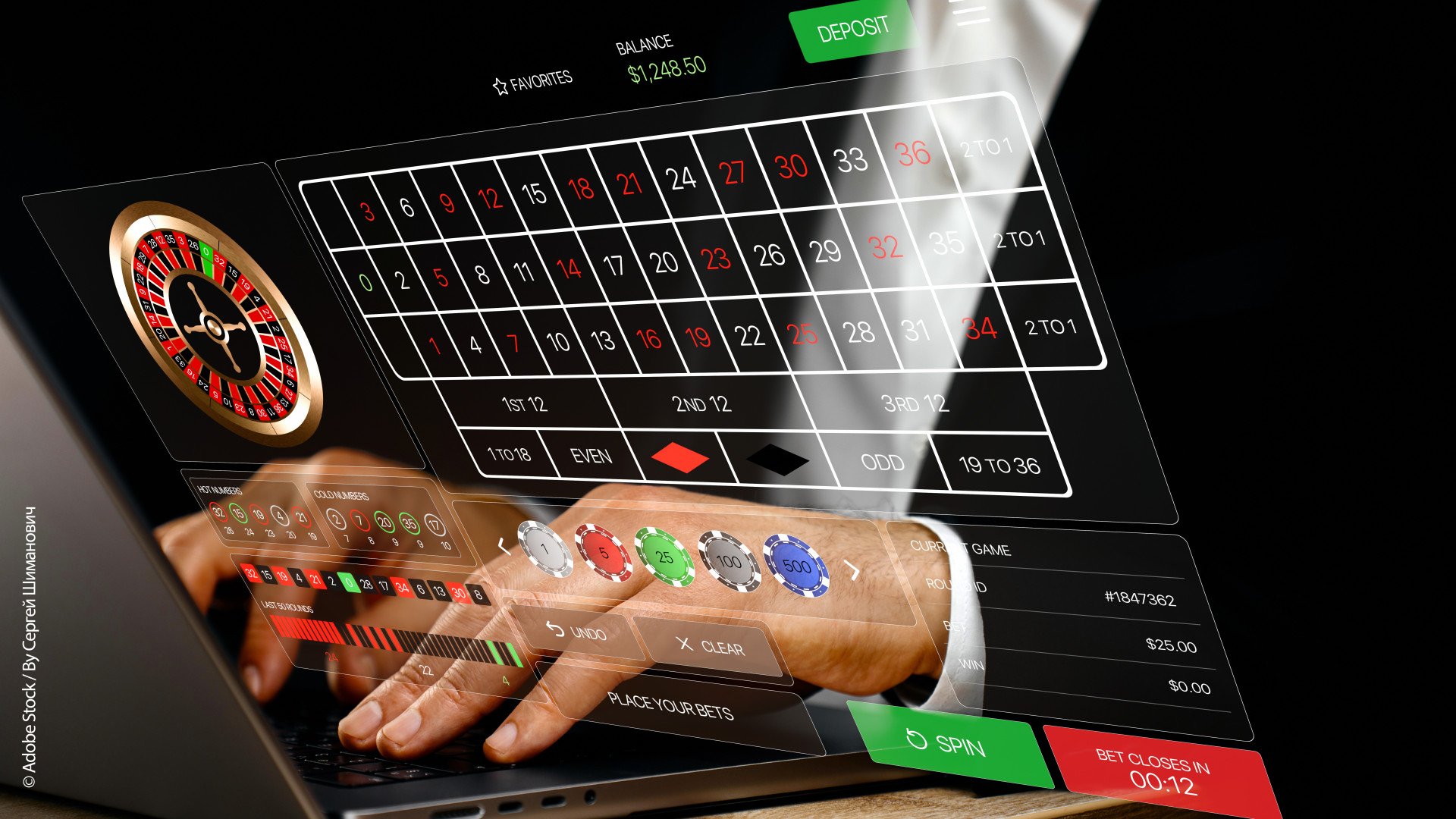
The same goes for lighter, low-stakes entertainment like casual gaming. Whether it's a puzzle app on the commute or something more chance-based, the appeal is the same: quick, engaging fun that doesn't ask much of you and doesn't need to lead anywhere. If you're interested in trying a chance-based game like Super Ace, having Super Ace explained through a straightforward guide that provides an overview of its gameplay and features can help you understand what to expect before playing. The best part? None of it requires a justification beyond "it was fun."
Rest Isn't a Competition
Five minutes of social media on a Sunday is enough to feel behind, especially when everyone else seems to be hiking a mountain, finishing a marathon, or launching a side project. Social feeds aren't a fair benchmark; they're curated. Nobody posts the three hours they spent doing nothing in particular, even though that's what most people are actually doing on any given afternoon.
That gap between what gets shown and what gets lived is worth remembering the next time a quiet day starts to feel like falling behind. The rest that never makes it online is still real rest, and it counts just as much as the version someone decided to document.
Shared Downtime Builds Memories
A lot of the entertainment worth defending isn't solo. A movie night with a partner, a round of Mafia with cousins during a reunion, a trivia night at the neighborhood bar — these are the evenings people bring up months later, unlike whatever got watched alone on a random Tuesday.
That's a reason on its own. Shared downtime does something for a relationship that scrolling side by side on separate phones never quite manages, no matter how much time is technically spent "together." If entertainment is the excuse that gets people in the same room, that's reason enough to make more room for it.
Enjoyment Doesn't Need to Justify Itself
Not everything has to lead somewhere. A secondhand guitar and three badly played chords. A recipe tried just because it looked good in a video. A painting that will never leave the room. None of it needs to turn into a skill or a side hustle to count as time well spent.
If anything, that's where the actual enjoyment tends to live: in the stuff with nothing riding on it. The moment a hobby starts needing to justify itself, it usually stops being fun.
Some Hours Are Just Supposed to Be Yours
At some point, it's worth asking who, exactly, anyone is trying to justify their rest to. A life spent optimizing every free hour starts to look less like living and more like a shift nobody ever clocked out of. Entertainment, in whatever form it gets reached for, is what breaks that pattern.
So the next time a free evening opens up, there's no need to fill it with something defensible. Watch the show. Read the book. Play the round. Laugh with whoever's around. None of it needs to produce anything. It just needs to be a good use of the one thing that never comes back around: time.