


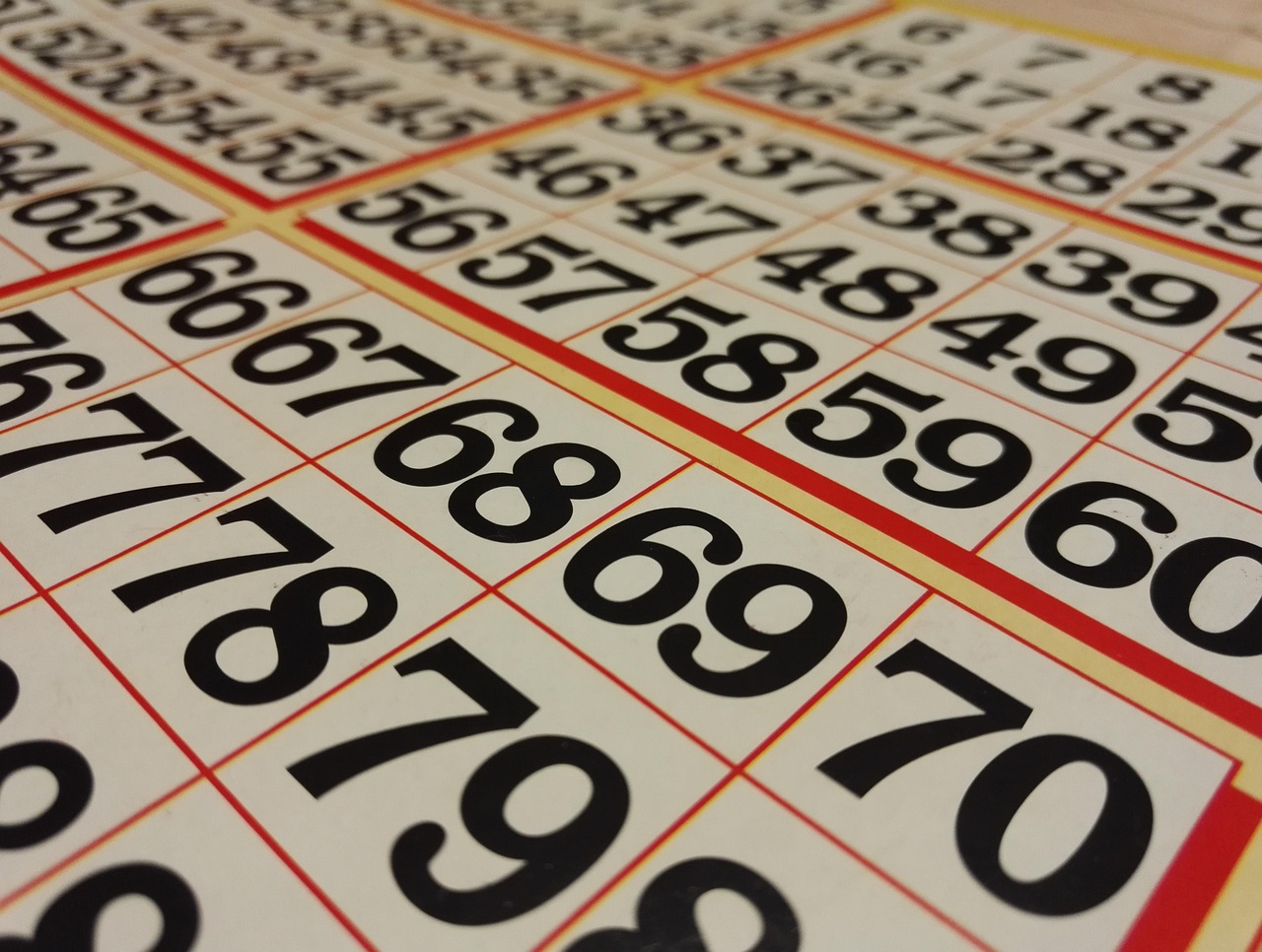
How many times have you been in a lottery hall or sitting at your computer screen and wanted to shout "Bingo!" before anyone else? Barrel draws, such as lotto, attract with their simplicity and excitement, but behind the apparent randomness lies an interesting pattern. Waiting for the 85th number is not just patience, but a tactic that can increase your chances of winning minimum prizes. This idea is not about mysticism or lucky numbers, but about cold calculation and understanding the mechanics of the game.
How barrel mechanics work
Barrel draws at Discowin Casino are a classic in the lottery world. Numbered balls are taken out of a bag, and players cover the numbers on their cards. Winning depends on how quickly you can fill in certain combinations. But here's the catch: minimum prizes, such as matching several numbers, are often distributed in the later stages. The longer the draw goes on, the more numbers are drawn, and the higher the probability of covering at least the basic combinations. By the 85th number, the pool of remaining numbers narrows, making matches more likely.
The maths here is simple. At the beginning of the game, the probability of drawing a specific number is low due to the large pool. By the 85th draw, there are fewer numbers left, and the chances of a match increase. This does not guarantee a jackpot, but the minimum prizes become more achievable. It is important to understand the prize structure: many lotteries award prizes for 3-5 matches, which are more likely to occur in the later stages.
Why is the 85th number a benchmark?
The number 85 is not magical, but it often turns out to be a turning point. In most barrel lotteries, the total number of numbers ranges from 90 to 100. By the 85th draw, most of the balls have already been drawn, and the players' cards are starting to fill up. This is the moment when minimum combinations — for example, one line or several numbers — become more realistic. Stopping the game earlier, for example at the 70th number, reduces the chances, as the pool of numbers is still too wide.
Another aspect is competition. In the early stages, players with quick matches aim for big prizes, and the minimum rewards are distributed among those who waited. By the 85th number, many have already dropped out or lost interest, which reduces the number of contenders for the basic winnings. Patience in such cases becomes a tactical advantage, especially if the goal is not the jackpot, but a stable minimum prize.
Incidentally, in some lotteries, the prize categories depend on the number of rounds. For example, the prize for one line may be higher if it is closed later. This is an additional incentive not to rush to leave the game.
The psychology of patience
Patience in barrel draws is not just about mathematics. The psychological aspect plays a huge role. Many players give up early if their numbers do not come up in the first 50-60 moves. This is a mistake. Emotional fatigue or impatience forces them to leave the game, even though the chances of a minimum prize increase with each move. Waiting for the 85th number requires patience, but it pays off.
There is another point: concentration. Players who remain in the game until the late rounds pay more attention to their cards. Participants who remain in the game until the 85th number usually track the numbers more carefully. Online games require special concentration, as automatic number marking sometimes misses important details.
Tactics for minimum prizes
So how can you use the wait for the 85th number in practice? First, it is worth choosing cards with an even distribution of numbers. Cards where the numbers are concentrated in a narrow range are less suitable for the later stages, as the probability of matches is lower there. It is important to understand the lottery conditions in advance: which combinations bring minimum prizes and whether they depend on the number of moves.
Choosing draws with fewer participants is another way to increase your chances. When competition is lower, minimum prizes are divided among fewer players. Online formats often provide information about the number of participants, which helps you make a decision. Finally, don't chase the jackpot if your goal is stability. Minimum prizes require less risk and more patience.
By the 85th number, the game often enters a phase where winnings are distributed among the persistent players. It's not about luck, but about strategy: stay in the game until the odds are higher. This approach turns the barrel draw into a marathon rather than a sprint.
Each number drawn is a step towards probability. Barrel draws teach patience, which is rewarded not only with prizes but also with an understanding of the game. Waiting for the 85th number is not just a tactic, but a way to outsmart chance. The next time you feel tempted to quit halfway through the game, remember: the most persistent often walk away with a prize, even if it is small. This is the art of small victories.