

Floristry moves fast — one season you can’t get enough of pastel peonies, the next, everyone’s chasing wild meadow looks and earthy tones. By 2026, the bouquet world is shifting again. The focus isn’t just on pretty combinations anymore — it’s on feeling. Texture, movement, even scent are getting more attention than color alone.
If you talk to any florist in Nottingham or anywhere else with a finger on the pulse, you’ll hear the same thing: people want bouquets that look natural, personal, and a little less “arranged.” The new trends are softer, looser, and a lot more human.
1. Goodbye, Overly Structured Bouquets
The days of tight, perfect symmetry are fading. That rigid dome shape that used to scream “wedding bouquet”? It’s being replaced by something freer.
Bouquets now spill a little. They have air, space, a mix of lengths. The goal isn’t perfection — it’s personality.
People want flowers that look like they’ve just been picked, even if they clearly haven’t. Think movement, think asymmetry, think honest beauty.
2. Less Color Coordination, More Storytelling
Color palettes are changing too. In the past, clients wanted everything to match — the bouquet, the table, the ribbons, even the dress. Now, contrast is welcome.
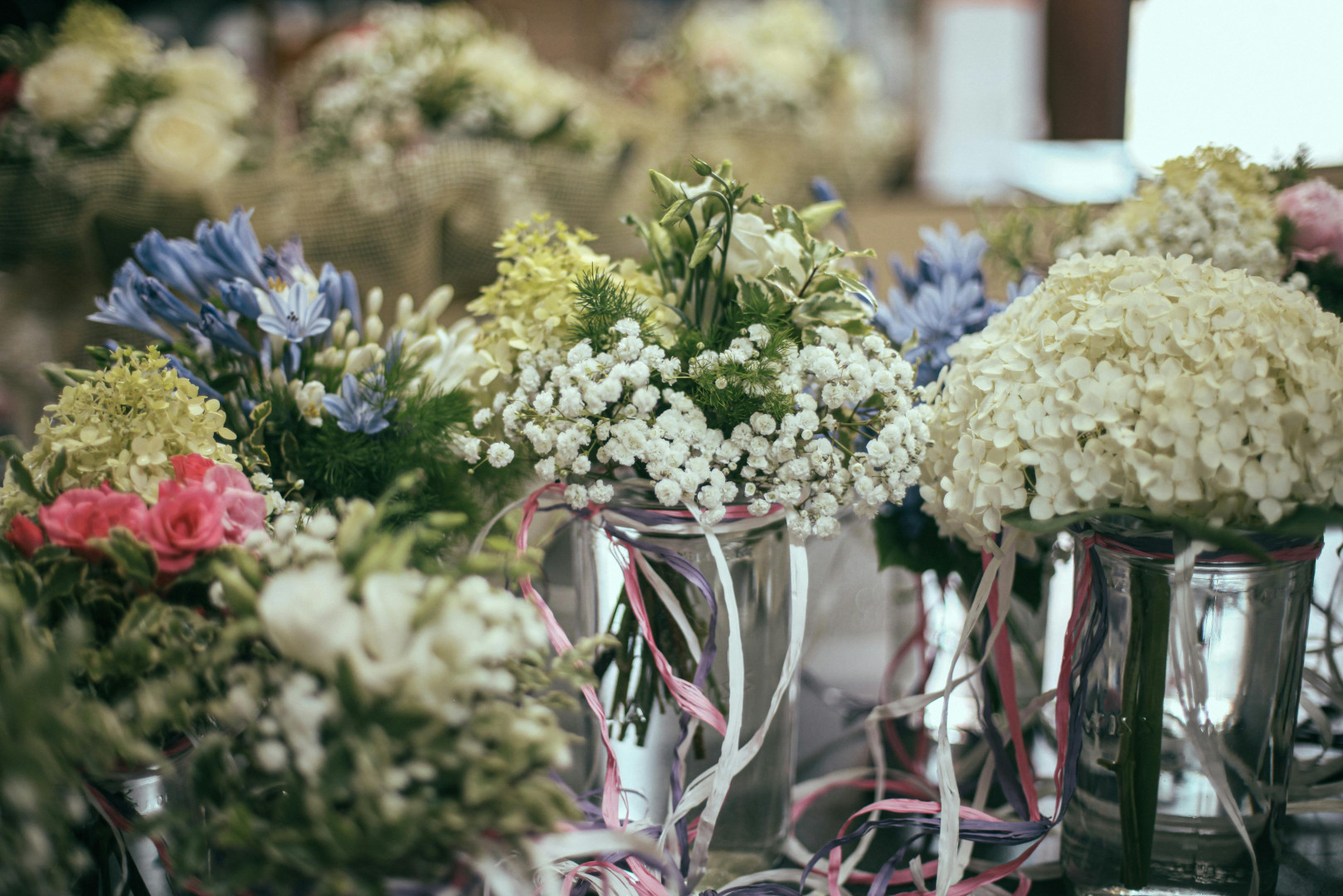
Soft mauves next to mustard yellow. Delicate pinks paired with dusty blues. Unexpected combos feel modern because they show confidence.
Florists are telling micro-stories with color: a memory, a season, a mood. Instead of aiming for “perfect match,” the goal is “right feeling.”
3. The Rise of Texture
Texture is the new color. Bouquets are mixing soft petals with rough stems, shiny leaves with matte grasses. You’ll see velvet tulips next to dried wheat, or roses sharing space with thistles and seed pods.
That mix of fresh and dry gives bouquets more depth — and more character. It also makes them last longer, which both florists and customers appreciate.
4. Fewer Roses, More Personality
Roses will never truly go out of style, but they’re no longer the default. By 2026, customers are asking for something less predictable — dahlias, ranunculus, hellebores, and local seasonal blooms are taking over.
The shift is partly practical: people care more about where flowers come from. Locally sourced, smaller-batch varieties feel authentic, sustainable, and special.
If a rose shows up now, it’s often an accent, not the star of the show.
5. Dried and Fresh Together
The dried flower craze isn’t over — it’s just evolving. Instead of full dried arrangements, florists are mixing a few dried stems into fresh bouquets. It’s a balance of permanence and freshness.
A few dried sprigs of lavender or palm with live tulips or lisianthus can completely change the tone of a bouquet. It gives texture, makes it feel curated but not overthought.
The bonus? Those mixed bouquets are easier to transport and last longer on display.
6. Simplicity Over Extravagance
There’s a quiet shift happening — minimalism, but not cold minimalism. People want smaller bouquets, built with intention. One statement flower surrounded by greenery feels more emotional than a giant mass of blooms.
Quality over quantity is the rule. One perfectly shaped dahlia can outshine a dozen roses, simply because it feels personal.
7. Sustainability Becomes Standard
This one isn’t even a “trend” anymore — it’s an expectation. Customers are asking where flowers come from, what kind of packaging is used, and how much waste is created.
Compostable wraps, reusable ribbons, and locally grown stems are becoming the new normal. Eco-conscious floristry is no longer niche — it’s the default.
8. Wild Greenery Returns
Greenery isn’t just filler now; it’s part of the design. Eucalyptus is stepping aside for wilder options — olive branches, ferns, trailing ivy, or whatever looks freshly gathered.
Bouquets are going back to the roots (literally). That messy, untamed greenery that looks like it’s been brought straight from a garden is now the standard of beauty.
Final Thought
Bouquets in 2026 aren’t about being perfect — they’re about being alive. A little wild, a little unexpected, full of personality. Flowers are returning to their natural charm: organic shapes, imperfect stems, and honest emotion.
The future of floristry is less about control, more about intuition. It’s not just what looks good — it’s what feels right.