


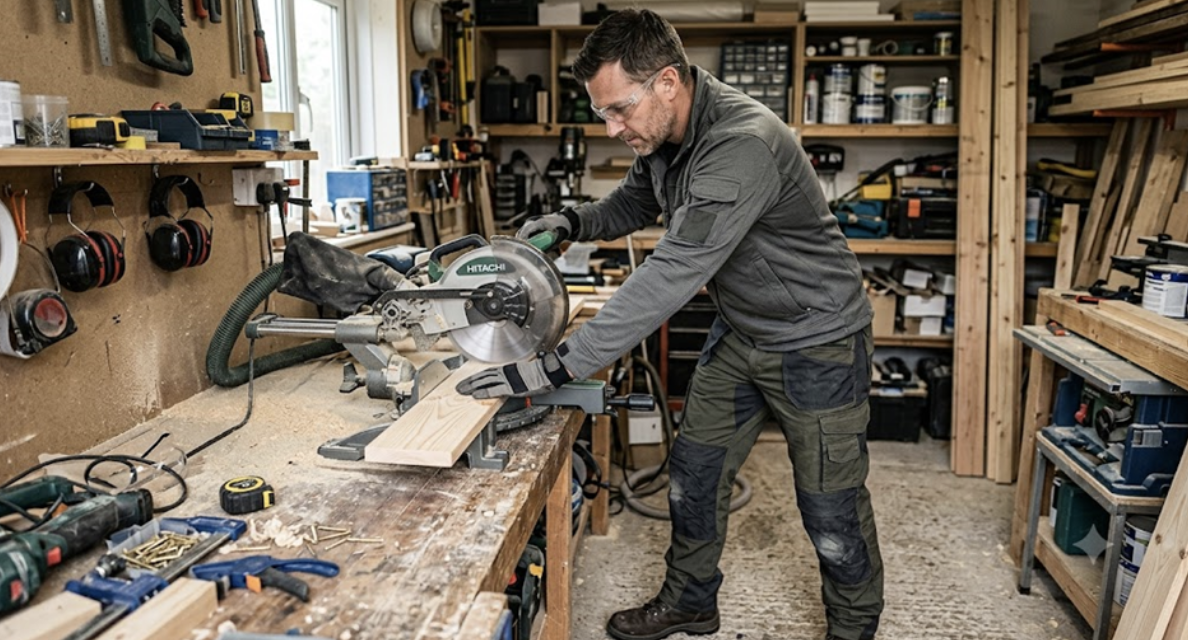

When renovating a home, most people focus on choosing the right tools, materials, and techniques, but suitable clothing is often overlooked. DIY projects can involve kneeling on rough surfaces, carrying heavy materials, working with sharp tools, or coming into contact with dust and debris. Everyday clothes such as jeans or cotton shirts are rarely designed for these challenges and can quickly become uncomfortable, damaged, or unsuitable for demanding tasks.
To work safely and efficiently during renovation projects, many homeowners turn to practical work clothing alternatives that are specifically designed for physical tasks. Durable work trousers, flexible tops, and protective footwear provide the freedom of movement and resilience needed for everything from small repairs to larger refurbishment projects. Specialised workwear brands such as Strauss develop clothing designed to withstand demanding conditions while helping DIY enthusiasts stay comfortable and protected throughout their work.
Key Features of Effective DIY Workwear
When deciding what to wear during a house overhaul, functionality and safety should dictate every decision. Standard everyday clothing is usually not designed for heavy DIY work because it lacks the durability and protective features needed for demanding tasks. Instead, suitable workwear should combine durability with flexibility. A robust setup typically includes heavy-duty trousers, breathable base layers, reinforced footwear, and certified protective accessories.
Key elements of suitable renovation workwear include:
- Durable work trousers made from tear-resistant fabrics to protect against scratches, splinters, dust, and everyday wear when handling materials or working in demanding environments.
- Comfortable tops and jackets with flexible designs that allow unrestricted movement when lifting, reaching, bending, or working in confined spaces.
- Practical storage features such as reinforced pockets to keep essential tools, screws, measuring equipment, and other small items easily accessible during renovation tasks.
- Protective footwear and personal safety equipment including safety glasses, gloves, and sturdy boots to reduce the risk of injuries caused by falling objects, sharp materials, or uneven surfaces.
Choosing suitable workwear allows DIY enthusiasts to work more comfortably and efficiently while protecting both themselves and their everyday clothing during renovation projects.

What Makes Workwear Suitable for DIY Tasks?
Selecting protective garments for DIY tasks requires evaluating the specific demands of your upcoming project. If your project involves heavy construction, masonry, or woodwork, relying on tear-resistant fabric is essential to prevent painful scrapes and premature wear on garments. Tasks that involve frequent bending, kneeling, or climbing also require clothing that allows comfortable movement. Stretch materials and flexible designs can make a noticeable difference during longer renovation projects.
Storage capabilities also play a crucial role in maintaining overall project productivity. Selecting work trousers or aprons with integrated utility pockets eliminates the need to constantly walk back to a distant toolbox for minor items. When choosing suitable workwear, consider how each item contributes to overall safety, efficiency, and comfort. For broader insights on preparing your living space and workflow before starting work, consulting a comprehensive home renovation guide offers valuable guidance on organising your project site effectively.
Prioritising Ergonomics and Safety Standards
Ultimately, modern work clothing blends structural safety with ergonomic design to enhance performance. When undertaking major structural adjustments or electrical work, pairing your gear with appropriate personal protective equipment helps follow important safety principles. Proper eye protection, dust masks, and sturdy footwear form the foundation of personal safety on any active job site.
Although private renovation projects are not always subject to the same rules as professional construction sites, the same safety principles apply. Protective footwear, gloves, and eye protection can significantly reduce common DIY risks. Applying these safety principles within residential projects can help homeowners reduce risks and work with greater confidence. Investing in high-quality workwear with durable fabrics, practical storage features, and suitable protective equipment can make home improvement projects safer, more comfortable, and more efficient.