

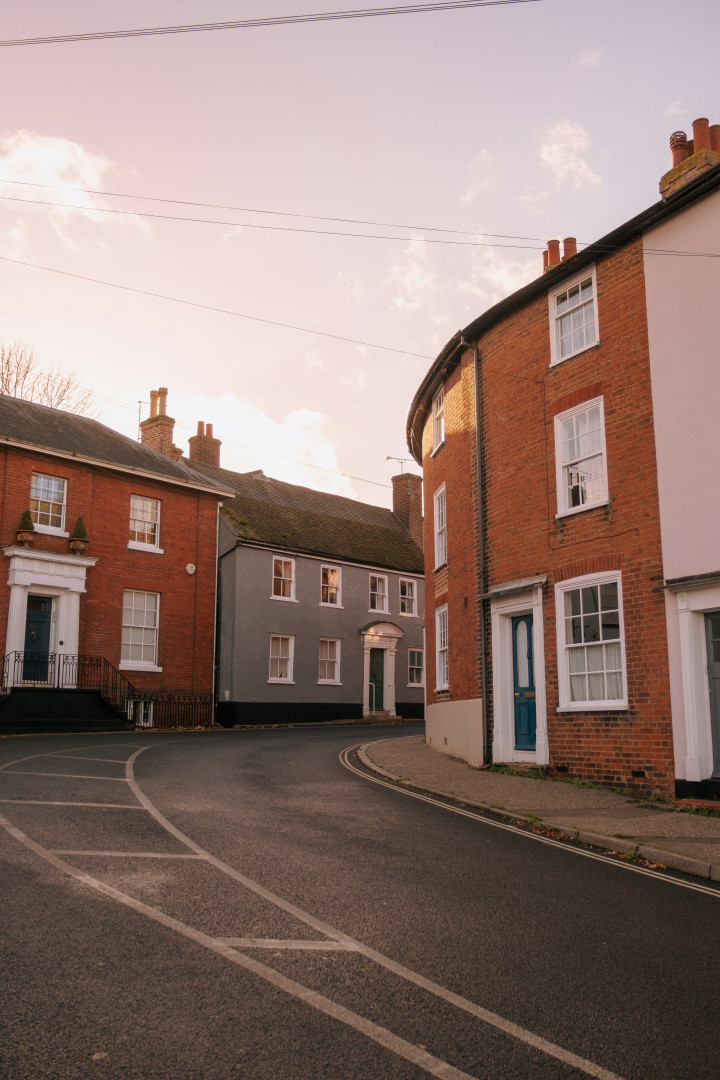

Period properties have always held a certain charm. Their ornate mouldings, high ceilings and characterful features tell stories of the past. Yet, as homeowners seek to blend historical elegance with modern comfort, subtle design trends are quietly reshaping these cherished homes. From material choices to functional upgrades, the evolution is both sophisticated and understated.
Embracing Natural Materials
One of the most significant shifts in period property design is a return to natural materials. Hardwood floors, stone surfaces and timber accents are increasingly replacing synthetic alternatives, lending authenticity and warmth to interiors. Homeowners are choosing materials that age gracefully, adding character over time rather than merely mimicking the past.
Bathrooms, for instance, are moving away from glossy, mass-produced surfaces towards natural finishes. This trend is evident in the popularity of natural stone bathroom tiles, which bring both texture and timeless appeal.
The tactile quality of stone creates a serene, spa-like atmosphere while complementing period features such as sash windows or exposed beams.
Minimalism Meets Historical Charm
While period homes are inherently decorative, a quieter, more minimalist aesthetic is gaining traction. Instead of competing with ornate ceilings and fireplaces, interiors now favour simplicity in colour schemes and furnishings. Neutral tones, clean lines and uncluttered spaces allow the original architectural details to shine.
This restrained approach extends to kitchens and bathrooms, where modern fittings are designed to blend seamlessly with historic elements. Matte finishes, hidden storage and handleless cabinets are subtle yet impactful choices, ensuring modern convenience without compromising the property’s character.
Lighting That Highlights, Not Overpowers
Lighting is another understated way period properties are evolving. Gone are the days of single central chandeliers dominating a room. Now, layered lighting (a mix of wall sconces, recessed fixtures and strategically placed table lamps) enhances architectural features and creates a welcoming ambiance.
Homeowners are also increasingly integrating smart lighting systems, allowing for adjustable brightness and colour temperature. This technology not only adds convenience but also protects delicate period materials by reducing harsh, direct light.
Functional Updates with a Vintage Touch
Modern living demands practical updates, and period properties are adapting gracefully. Heating systems, insulation and bathroom plumbing are being upgraded discreetly, often hidden behind original facades or within clever cabinetry.
The trend is to prioritise function without erasing history. For instance, freestanding tubs and vintage-inspired faucets provide the charm of a bygone era while delivering contemporary comfort. Similarly, kitchens may feature integrated appliances within timber surrounds that echo the home’s original style.
Outdoor Spaces Reflecting Interior Elegance
The transformation extends beyond interiors. Garden and exterior design now mirrors the understated sophistication seen indoors. Period homes are embracing natural landscaping, using native plants, stone pathways and reclaimed timber structures.
These elements provide continuity with the home’s character and create a harmonious transition from inside to out.
Outdoor entertaining areas are designed with subtle luxury in mind. Stone patios, timber decking and wrought iron seating blend with heritage aesthetics while accommodating modern lifestyles. Even small touches, such as a water feature or heritage-style lighting, can elevate the overall impression.
Closing Thoughts
The quiet evolution of period properties reflects a desire to honour the past while embracing the present. By choosing natural materials, subtle colour palettes, thoughtful lighting and discreet functional upgrades, homeowners are transforming these historic spaces into comfortable, elegant and contemporary dwellings.
The movement is less about radical change and more about enhancing the innate charm of period architecture, ensuring these homes continue to inspire for generations to come.