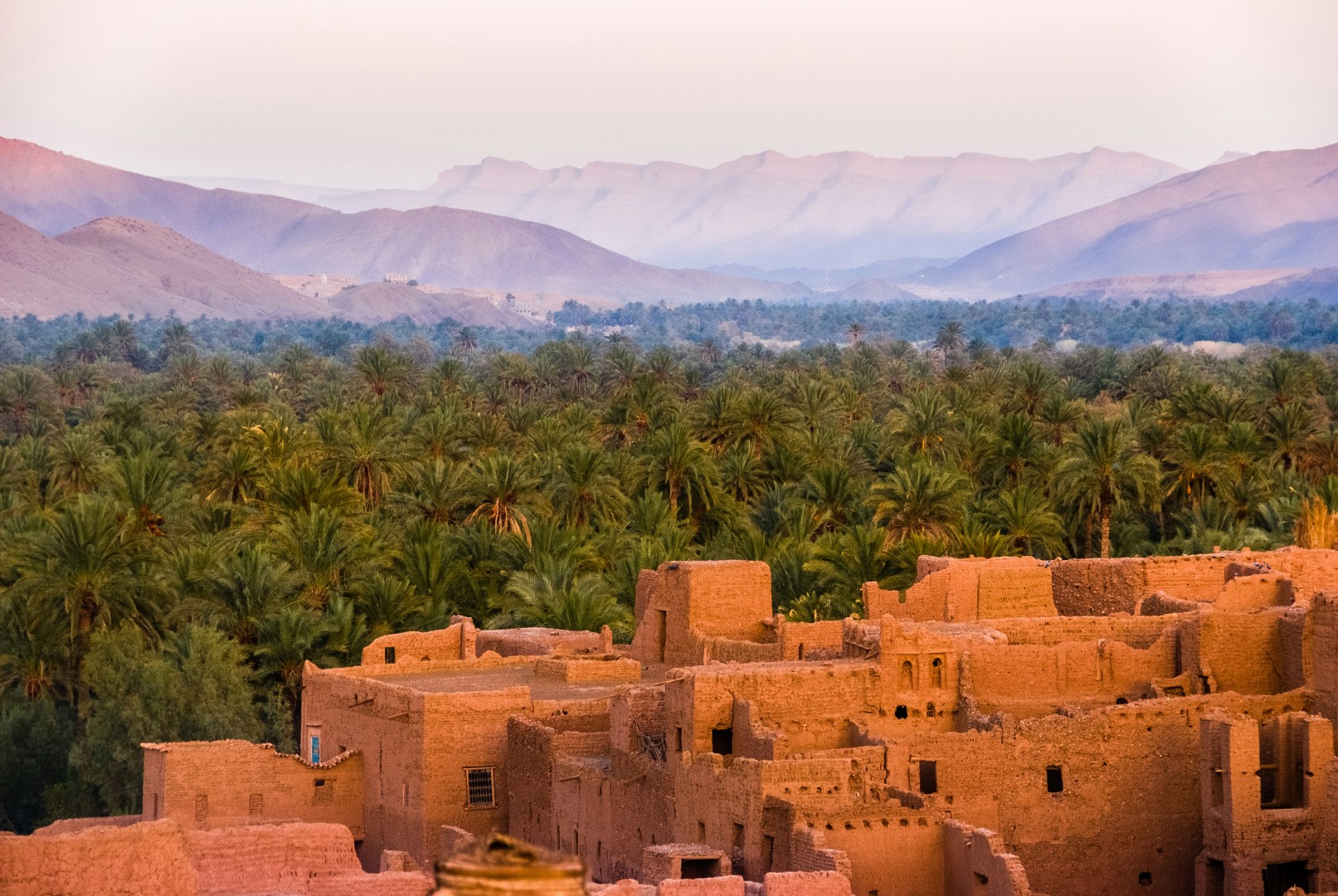
Morocco is a country where history and culture connect and it's shaped by diverse influences. This country is located at the crossroads of Africa, Europe, and the Middle East. That makes its culture rich and colorful.
What’s more, its culture reflects its position at the crossroads of civilization. The best part? Morocco has so many things and places to explore. That includes bustling medinas, colorful souks, and UNESCO World Heritage Sites like Medinas of Fez and Marrakech.
Therefore, a journey to Morocco promises more than just a trip. It’s a cultural odyssey. The country has found ways to blend ancient traditions with contemporary life. Let’s explore more about Morocco’s rich culture and history below.
Staying connected
As you plan to explore Morocco, you also need to consider how you are going to stay connected. Internet connection while traveling is not a luxury but a necessity. It will help you to easily navigate the winding streets of Morocco, upload beautiful pictures, access travel information, stay in touch with friends and family, and many more.
So, how can you stay connected while in this country? Well, the best you can consider for your trip is the travel eSIM for Morocco. This eSIM will help ensure a smooth and uninterrupted digital experience throughout your Moroccan Adventure.
It will make it easier for you to document your cultural odyssey and stay in touch with family and friends back home. The best part? You’ll get connected from the moment you land in Morocco. So, you can easily:
- Navigate the Moroccan medinas with Google Maps.
- Post real-time updates of your trip on Instagram and TikTok.
- Book last-minute desert tours.
- Translate Arabic and Berber phrases on the go.
Historical landmarks
There are plenty of historical landmarks to explore in Morocco. They include the following:
Fes
Fes is known for its well-preserved mediaeval architecture and deep cultural roots. Its most popular historical landmark is the Fes al Bali, a UNESCO World Heritage. This site is popular because of its labyrinthine alleys, bustling market, and ornate palace.
In addition to that, Fes has several other historical landmarks, including:
- One of the oldest universities in the world, Al Quaraouiyine University, dates back to the 9th century. Its library houses priceless manuscripts, including 9th-century Qurans.
- The 14th-century Bou Inania Madrasa, which is an Islamic school that is celebrated for its exquisite geometric tilework and carved cedar wood.
- Fes Tanneries that have operated since the medieval era. These tanneries will give you a unique glimpse into traditional leather making processes.
Meknes
This city was founded in the 11th Century. However, it was not until the 17th century, under Sultan Moulay Ismail, that the city rose to prominence. This sultan transformed it into a city of monumental gates, vast gardens, and impressive fortifications.
The best of all is that Meknes has a relaxed ambiance that makes it ideal for exploring at your own pace. Some of the most popular historical landmarks in this city include the following:
- Bab el-Mansour, which is the largest gate in Meknes. It has marble columns and an intricate mosaic that makes it one of the best sights to look at.
- Moulay Ismael Mausoleum, which is the resting place of the sultan who transformed Meknes. This sacred site is one of the few in Morocco that open its doors to non-muslim visitors.
- Heri es-Souani, a colossal structure that was built to store grain and 12,000 horses.
Traditional cuisine

A cultural odyssey in Morocco cannot be complete without indulging in its flavorful and vibrant cuisine. This African country’s cuisine offers a feast for the senses with its bold flavors, aromatic spices, and diverse ingredients.
Its most iconic dish is Tagine. Tagine is a slow-cooked versatile dish that consists of a combination of meat, poultry, or fish with vegetables, dried fruits, and spices, such as saffron, cumin, cinnamon, ginger, and coriander.
The best Tagine you can consider is the Moroccan chicken tagine with olives and preserved lemons. It's often served with bread or couscous.
Another incredible traditional dish in Morocco is Couscous. Couscous is the national dish of Morocco. It consists of steamed semolina grains topped with a stew of lamb or chicken and an array of vegetables. In most cases, Moroccans use up to seven types of vegetables in this dish.
If you are a street food lover, you can snack on b’ssara, maakouda, and khobz. Also, don’t forget a glass of mint tea, which Moroccans will ceremoniously pour high into your cup as a symbol of warmth and welcome.
Local markets
The local markets in Morocco, that is the souks, provide one of the most picturesque sites possible. They offer sensory explosion with their mixture of color, scent, sound, and tradition that reflects the soul of Moroccan daily life.
Each souk has its own personality, but they all share the same traits, including:
- Scents of spices, such as saffron, cumin, and cedarwood
- Many colors from cobalt blue pottery and hand-dyed Berber rugs
- Rhythmic clatter of artisans hammering copper, weaving baskets, and stitching leather
- A masterful art of haggling
The best souks you can consider exploring in Morocco are the Marrakech and Medina, Fes, Chefchaouen, and Essaouira. And to have the best experience in the souks, do the following:
- Bargain politely for the best prices
- Buy directly from workshops for the best quality
- Carry small bills to make haggling easier
- Go early
Cultural festivals
Cultural festivals in Morocco provide one of the best ways to celebrate the country’s rich heritage, diverse traditions, and artistic spirit. When you attend these festivals, you’ll get to enjoy a deeper connection with the country beyond the historic sites and scenic landscapes.
One of the most popular festivals you can consider attending is the Marrakech Popular Arts Festival. It is held each summer, and the El Badi Palace, plus the surrounding public spaces, host it. This festival gathers musicians, dancers, storytellers, and acrobats from all over Morocco.
It provides a spectacular showcase of Morocco’s folkloric traditions, Berber music, and performing arts. In addition to this festival, other must-attend events include the Fes Festival of World Sacred Music, the Gnaoua World Music Festival in Essaouira, and the Imilchil Marriage Festival.
These festivals will provide you with a view of Moroccan spirituality, music, and tribal customs. What’s more, they invite visitors to experience Morocco’s communal warmth, creativity, and cultural pride.