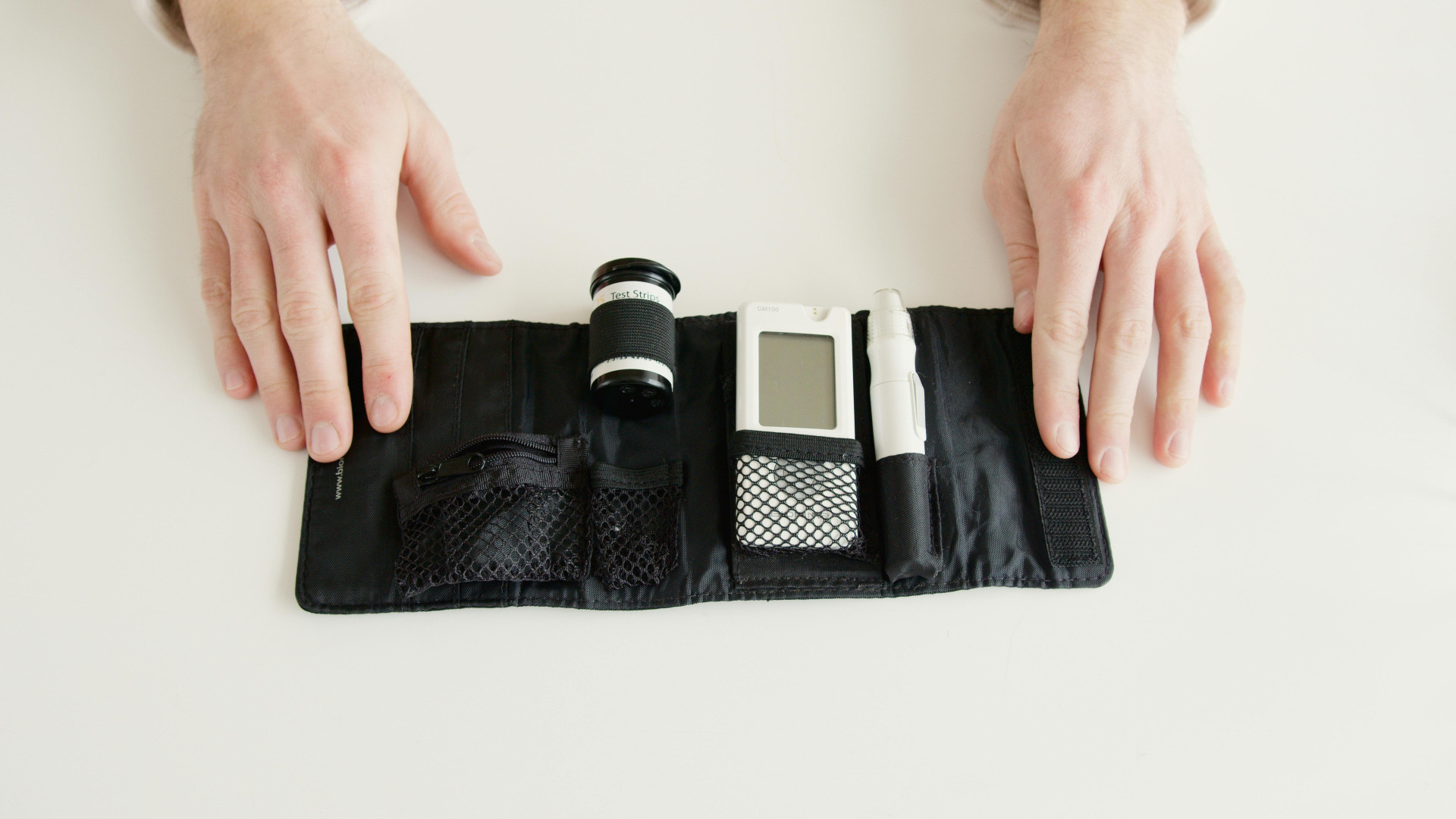

Many people now keep a personal breathalyser at home to check alcohol levels before deciding whether it is safe to drive. These small devices promise quick results, but their accuracy often depends on the type of sensor, how well the device is maintained, and how it is used. Personal breathalysers can give a general idea of alcohol levels, but they are not as precise as the equipment used by police.
Studies show that some home units can detect alcohol fairly well, while others may underestimate or overestimate levels. This means a person could still be over the legal limit even if the device shows a safe result. Factors such as testing too soon after drinking or failing to calibrate the device can also affect accuracy.
Because of these differences, it is important to understand what these devices can and cannot do. They may help raise awareness of alcohol intake, but they should not replace sound judgement or legal testing methods. The following sections explain how accurate these devices are, what their limits look like, and how to use them responsibly.
How Accurate Are Personal Breathalysers for Home Alcohol Testing?
Personal breathalysers can provide useful readings, but their accuracy depends on sensor type, calibration, and how they compare to professional devices. Differences in design and maintenance standards also affect whether results reflect true blood alcohol levels.
Types of Sensors and Devices
The type of sensor inside a breathalyser strongly affects its accuracy. Police units commonly use fuel cell or infrared sensors, which detect alcohol molecules with high precision. These sensors remain consistent even after repeated use.
Many home devices rely on semiconductor sensors. These are cheaper and more compact but tend to be less precise, especially at low alcohol levels. They also degrade faster with repeated use and may give false positives if exposed to fumes or strong odours.
Some personal models are disposable, while others are digital and reusable. Disposable versions can be convenient but often lack consistency. Reusable digital devices perform better but still require proper handling.
People interested in personal monitoring often turn to breathalyser test kits, which come in both reusable and single-use formats. Choosing the right type depends on how often the device will be used and the level of accuracy needed.
Comparison with Police and Evidential Devices
Police and evidential breathalysers are designed for legal use, with accuracy levels close to laboratory blood tests. These devices often measure within a margin of ±3%, which makes them suitable for court evidence.
Personal units, on the other hand, usually report within ±5%. This may not seem large, but the difference can mean falling above or below the legal driving limit. Therefore, personal devices are better viewed as guides rather than final measures of alcohol content.
Cost also plays a role. Police devices can cost thousands of pounds, while consumer models are far cheaper but less advanced. Police breathalysers are also subject to strict servicing and calibration schedules, which home devices rarely follow.
Because of these differences, personal devices should never be used to decide if someone is legally safe to drive. Authorities will only accept readings from evidential instruments.
Factors Affecting Accuracy
Several outside factors influence how a personal breathalyser performs. Temperature and humidity can alter sensor readings, while storage in direct sunlight or extreme cold may damage the device.
Substances in the environment, such as smoke or cleaning products, can also interfere with results. Even alcohol residue in the mouth from a recent drink or mouthwash can cause higher readings than actual blood levels.
User technique matters as well. A steady, consistent breath is necessary for the sensor to analyse the sample correctly. Blowing too fast or too soft often produces faulty results.
To reduce errors, users should wait at least 20 minutes after drinking before taking a reading. Avoiding food, smoking, or strong-flavoured products before testing also improves accuracy.
Calibration and Maintenance
Calibration is one of the most important factors for accuracy. Police devices are checked regularly by trained technicians and adjusted against strict standards. This process keeps them consistent over time.
Personal devices often require manual calibration, but many users neglect this step. Some models need recalibration every few months, while others lose accuracy after repeated use if not serviced.
Disposable kits do not require calibration, but they have shorter shelf lives and can be affected by storage conditions. Expired or poorly stored kits may give misleading results.
Proper care extends the life of a device. Storing it in a cool, dry place, avoiding drops or shocks, and following the manufacturer’s instructions all help maintain accuracy. Without this upkeep, even higher-quality personal breathalysers can produce unreliable readings.
Understanding Limitations and Responsible Use
Personal breathalysers can help people check their alcohol levels, but they are not perfect. Their accuracy depends on how the body absorbs alcohol, how results are interpreted, and how carefully the device is used.
Impact of Alcohol Absorption and Timing
Alcohol does not enter the bloodstream at a constant rate. Absorption depends on factors such as food intake, body weight, and the type of drink consumed. A person may feel sober, yet their blood alcohol concentration (BAC) can still rise after the last drink.
Breathalysers measure alcohol in exhaled air, which reflects BAC only after absorption stabilises. Testing too soon may give a lower result than the actual level in the blood. For example, someone who drinks quickly may record a safe result, but their BAC can increase in the following 30 to 60 minutes.
This delay makes timing important. Waiting at least 20 minutes after the last drink before using a personal breathalyser reduces the chance of a misleading result. Eating, smoking, or using mouthwash during this period can also affect readings.
Legal Limits and Interpretation of Results
Legal drink-drive limits vary by country. In the UK, the limit is 35 micrograms of alcohol per 100 millilitres of breath or 80 milligrams per 100 millilitres of blood. A personal breathalyser may give a number close to this threshold, but small errors can mean the difference between being under or over the limit.
Some devices have high sensitivity, while others miss a significant number of people over the limit. A test showing a result just below the legal threshold should not be treated as proof of safety to drive. Even below the limit, alcohol can reduce reaction time and judgement.
Therefore, results should be seen as estimates, not guarantees. Relying on a home device for legal or safety decisions carries risks, as police-grade breathalysers undergo stricter testing and calibration.
Best Practices for Self-Testing
To use a personal breathalyser more effectively, people should follow a few clear steps. First, wait at least 20 minutes after drinking before testing. Second, avoid eating, smoking, or using products that can leave alcohol traces in the mouth.
Devices need proper care. Sensors may drift over time, so calibration or replacement is often required. Ignoring this can lead to inaccurate results. Reading the instructions carefully helps avoid misuse.
It is also safer to treat results conservatively. If a reading is close to the limit, the person should assume they are not safe to drive. Using a breathalyser as a guide for awareness, rather than as a final decision tool, reduces the chance of unsafe choices.
Conclusion
Personal breathalysers can give a useful estimate of alcohol levels, but their accuracy varies by type and quality. Police-grade devices remain more precise, while home units may under- or overestimate results.
Digital multiuse models tend to perform better than single-use versions, though both can show inconsistent readings if not used correctly. Factors such as timing after drinking and proper technique affect outcomes.
They may help people make safer choices, yet they should not replace sound judgement. Even at readings below the legal limit, alcohol can still impair driving ability.