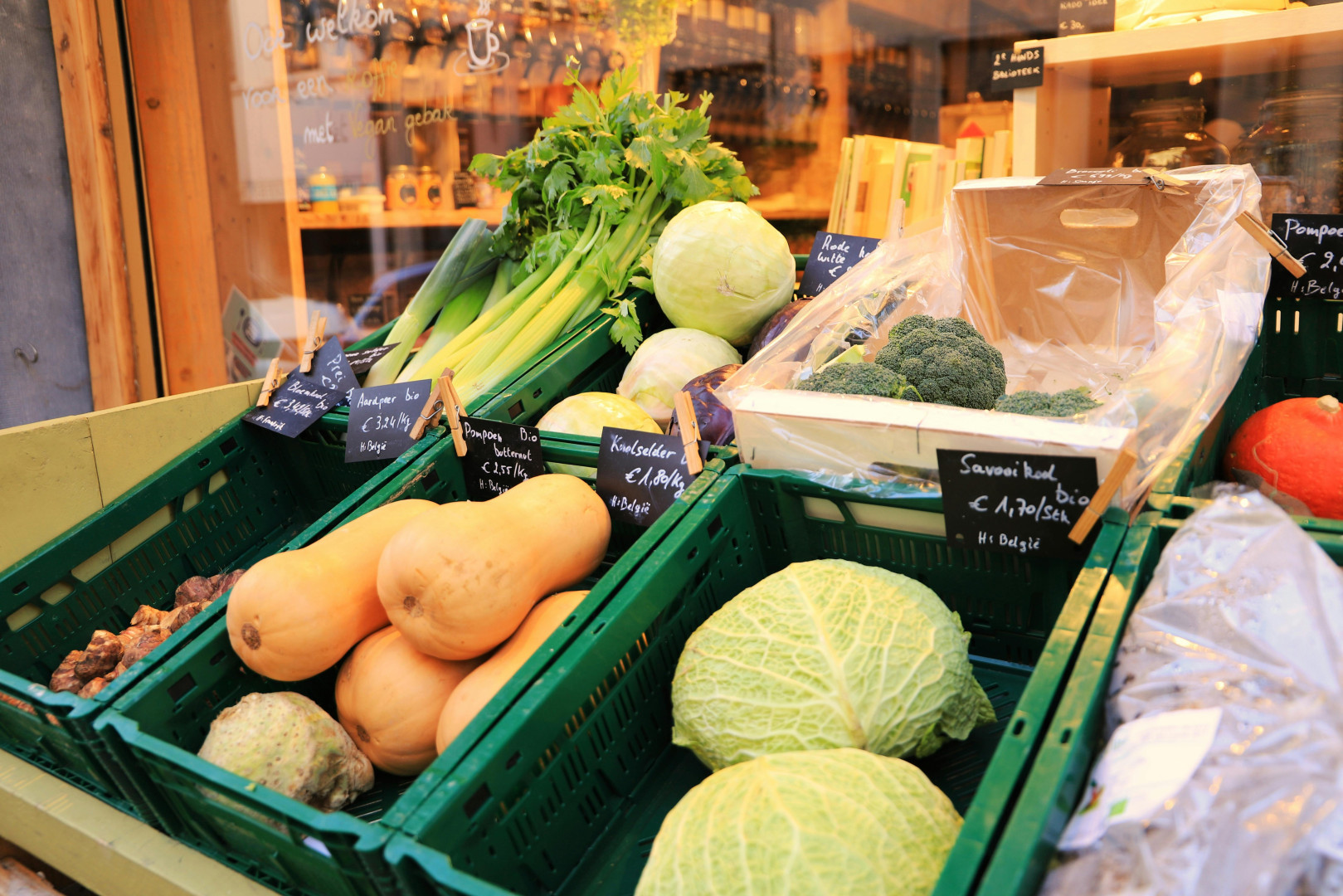

For any food retail company - particularly those operating online - understanding the value of heritage is no longer optional. Food heritage is not museum material; it's a dynamic living force that drives consumer choice and brand reputation. Strong heritage offers more than flavor - it offers authenticity, story value, and a market edge in a progressively crowded market.
Today's consumers are knowledgeable. They do not just want to eat something; they want something with origins. It is especially true in online food shopping, where dozens of competitors can be compared instantly. In that arena, products with a strong heritage will thrive because they have perceived and actual value.
A Deep Historical Foundation That Still Shapes Tastes
European culinary heritage is the product of thousands of years of agricultural innovation, trade, and migration. Ancient Greece’s cultivation of olives and vineyards laid the groundwork for Mediterranean diets that are now globally celebrated for their health benefits. Rome’s mastery of bread-making and preserved sauces spread across the empire, creating a culinary infrastructure that survived long after political borders changed.
Trade routes - from the Silk Road to the maritime spice trade - brought new ingredients that transformed local cuisines. The arrival of tomatoes from the Americas revolutionised Italian cooking; cacao imports laid the foundation for Europe’s world-leading chocolate industry. Each of these moments created a new layer in Europe’s culinary DNA, making today’s food from Europe a complex blend of tradition and adaptation.
For online retailers, these histories are more than interesting trivia - they are brand assets. A jar of PDO-certified Italian olive oil is not just an ingredient; it is the distilled outcome of centuries of agricultural practice, climate adaptation, and artisanal skill.
Ingredients as Premium Market Signals
Certain European ingredients have become global benchmarks for quality. French butter, with its high fat content and rich flavour, is prized by bakers worldwide. Spanish jamón ibérico represents artisanal curing techniques perfected over generations. German rye bread embodies centuries of bread-making heritage tied to regional grain production.
In e-commerce, such products benefit from what could be called the “heritage premium” - a willingness among consumers to pay more for authenticity. This premium is especially valuable in the age of digital shopping, where visual presentation and detailed descriptions can reinforce perceived value.
Time-Honoured Techniques in a Modern Supply Chain
European cooking techniques like braising, fermenting, curing, and artisanal baking are not only alive but thriving in the modern food industry. Even large-scale producers are finding ways to retain traditional processes in automated environments because consumers equate these techniques with authenticity and flavour integrity.
- Baking: Industrial bakeries in France still incorporate long fermentation times for baguettes to replicate artisanal texture.
- Fermentation: Sauerkraut producers in Germany market their use of traditional fermentation vats rather than rapid vinegar pickling.
- Curing: Italian salumi makers highlight traditional curing cellars to distinguish themselves from industrial competitors.
By sourcing and promoting products tied to these methods, online retailers can tap into the “craft” segment, which continues to show above-average growth in the premium grocery category.
Heritage Meets Innovation - A Growing Market Intersection
One of Europe’s greatest strengths is its adaptability. Culinary traditions don’t stay frozen in time; they evolve with consumer tastes and global influences. Chefs and producers are blending European heritage with international flavours to create new demand streams.
A few current trends:
- Fusion Desserts: Classic French pastries with Asian flavour infusions, such as matcha éclairs or yuzu mille-feuille.
- Health-Driven Adaptations: Gluten-free Italian pasta made with chickpea flour for health-conscious buyers.
- Plant-Based Heritage: Vegan reinterpretations of traditional European cheeses and pâtés for expanding plant-based markets.
For online grocery, this intersection is a goldmine. Retailers can position these products in both “heritage” and “innovation” categories, appealing to traditionalists and trend-seekers alike.
The Digital Merchandising Advantage
Unlike physical stores, online retailers can tell the full story of a product without space limitations. High-quality photography, video clips of traditional production, and rich descriptions can transport the shopper to a French vineyard or a Tuscan olive grove.
The Trust Factor - Certifications and Transparency
In an age where food fraud is a legitimate concern, authenticity markers such as PDO, PGI, and AOC are not just formalities; they’re trust signals. For example, a customer buying Parmigiano Reggiano online needs reassurance that they’re not getting a lower-quality imitation.
Online retailers can enhance trust by:
- Clearly displaying certification logos.
- Including origin maps or producer profiles.
- Providing batch or lot numbers for traceability.
Trust-building measures are especially critical for high-value heritage products, where customers are investing not only money but also expectations.
Strategic Recommendations for Online Grocery Operators
- Curate with Purpose: Stock a well-researched selection of authentic food from Europe, focusing on items with strong provenance.
- Tell the Story: Use content marketing - blogs, videos, and social media - to highlight heritage products and their backgrounds.
- Educate the Customer: Provide pairing suggestions, preparation tips, and cultural context to create engagement beyond the transaction.
- Bundle for Value: Offer heritage product bundles (e.g., “French Cheese Night” or “Mediterranean Pantry Set”) to drive larger orders.
- Leverage Data: Analyse purchasing patterns for heritage products to inform stocking and promotional strategies.
Turning History into Revenue
European culinary heritage is more than a legacy - it’s a living, evolving resource for modern food businesses. Retailers who integrate authentic food from Europe into their assortments are not simply diversifying inventory; they are offering customers a bridge between tradition and contemporary lifestyle. In an online environment where differentiation is often the difference between growth and stagnation, heritage can be one of the most powerful levers a retailer has.