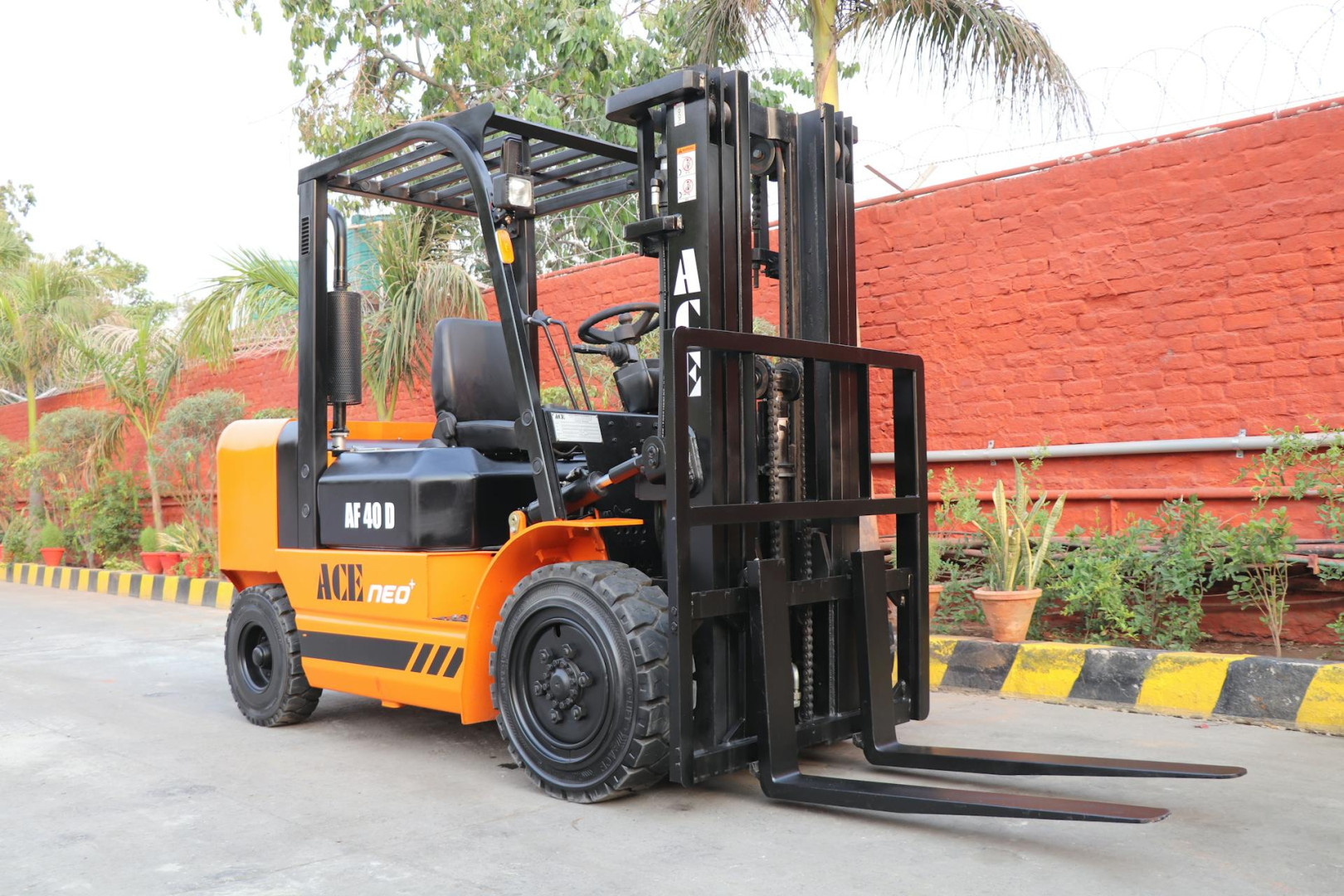

Warehouse and yard operations rarely stay still. One month you’re cruising at steady throughput; the next you’re scrambling to cover a contract win, a seasonal spike, or a backlog caused by late inbound containers. In that kind of environment, the “right” materials-handling fleet isn’t a fixed number—it’s a moving target.
That’s why flexible forklift hire has become less of a stopgap and more of a deliberate operating strategy. Done well, it lets you match capacity to demand, protect cash, and reduce operational risk without compromising service levels. The trick is understanding where hire genuinely adds value, where it doesn’t, and how to structure it so you’re not quietly paying a premium for convenience.
Budget control: turning big capital shocks into predictable operating costs
Buying forklifts can make sense in stable, high-utilisation sites. But it also ties up capital and exposes you to a set of costs that are easy to underestimate—especially when finance and operations aren’t looking at the same numbers.
The hidden “ownership” costs that distort the comparison
Purchase price is only the start. Over the life of a truck, you’re also paying for:
- Planned maintenance and breakdowns (plus the downtime they cause)
- Tyres, forks, chains, hydraulics, and wear parts
- Battery replacement cycles (for electric fleets) and charging infrastructure
- Compliance inspections, records, and remedial work
- Operator damage and the administrative overhead of managing it all
Flexible hire shifts much of that burden into a predictable, budgetable line item. That predictability matters when margins are tight and service-level penalties are real. Instead of trying to guess next year’s repair spend—or deferring maintenance to hit a number—you’re stabilising cost while keeping equipment fit for purpose.
Cash flow matters more than ever
Even profitable businesses can be cash-constrained. Hire can preserve capital for higher-return uses: automation pilots, racking upgrades, WMS improvements, or simply working capital to handle bigger purchasing cycles. In other words, it’s not only about “saving money”; it’s about avoiding the wrong kind of spending at the wrong time.
Demand spikes: scaling capacity without long-term baggage
The biggest operational advantage of hire is responsiveness. When demand moves, you can move with it—without committing to a fleet size based on last quarter’s reality.
Covering peaks, projects, and unexpected disruption
In most warehouses, peaks aren’t limited to Christmas. They show up as:
- Promotions and product launches
- Inventory counts and re-slotting projects
- Contract onboarding or short-term overflow storage
- Supplier issues that force you to rework inbound processes
- Equipment downtime that cascades into backlog
Short- and medium-term hire lets you add capacity fast, then step back down when the pressure eases. That’s especially useful for equipment types you don’t need year-round—reach trucks for a temporary high-bay zone, articulated trucks for tight aisles, or higher-capacity counterbalances for a one-off container-heavy period.
Around this point in planning, many operations teams also start benchmarking what’s available locally and what support looks like in practice. If you’re weighing options, it can help to review providers that focus specifically on professional warehouse lift rentals so you can compare service coverage, fleet range, and contract flexibility against your site’s requirements—without guessing what “flexible” really means.
Avoiding the “utilisation trap”
A common mistake is treating forklifts like fixed infrastructure rather than a variable resource. If your fleet is sized for the busiest four weeks of the year, you may be carrying underutilised assets for the other 48. Hire is a way to stop that inefficiency from becoming normal.
A practical rule of thumb: if a truck will be used heavily and consistently (think two shifts, five days a week) for multiple years, ownership or long-term contract hire may fit. If it’s tied to spikes, uncertainty, or temporary layout changes, flexibility usually wins.
Risk management: reliability, compliance, and operational resilience
Flexibility isn’t only financial—it’s also about reducing operational fragility. When a single failed truck can slow inbound or stall picking, uptime becomes strategic.
Maintenance and downtime: shifting from reactive to assured support
Breakdowns aren’t just a maintenance event; they’re a throughput event. The cost is often hidden in:
- Missed cut-off times
- Overtime to catch up
- Congestion in staging areas
- Knock-on delays in packing and dispatch
A well-structured hire agreement can tighten response times and provide swap-out cover, so you’re not stuck improvising with the wrong truck type or pulling equipment from another area of the operation. The best outcomes come when you specify performance expectations up front: hours of use, environment (indoor/outdoor), floor conditions, and the real duty cycle.
Compliance isn’t optional—and it isn’t static
UK operations have to think about inspection regimes and safe use (for example, thorough examinations and site-safe practices). Hire can simplify administration by ensuring equipment is maintained and documented correctly, but don’t assume it’s “handled” automatically. Clarify who is responsible for what: daily checks, defect reporting, damage, and operator suitability.
If you’ve ever had a near-miss investigation drag on because records were incomplete, you’ll appreciate how valuable clean documentation can be when pressure is high.
Getting the most from flexible hire: a few practical decisions that matter
Hiring is straightforward; hiring well is more intentional. You’ll get better value—and fewer operational surprises—if you focus on the points below.
Choose the truck to match the job, not the habit
It’s easy to default to what your team already knows. But different peak scenarios call for different solutions. Ask:
- What’s the load weight and load centre?
- How high are you actually lifting during the peak period?
- Are aisles tight, and do you need a different turning radius?
- Is the surface uneven or outdoor, requiring pneumatic tyres?
- Is electric preferable due to indoor air quality and noise constraints?
A wrong-spec truck doesn’t just slow you down; it increases damage risk and operator fatigue.
Structure flexibility into your plan, not just your contract
Here’s the one place a short bullet list helps—because these checks save real money:
- Forecast peaks by week (not month), and map them to required truck types
- Build in lead time for delivery, familiarisation, and any attachments
- Track utilisation during the hire period so you can adjust early
- Agree swap-out expectations for breakdowns before you sign
This turns hire from “emergency cover” into capacity planning.
Don’t ignore operator readiness
Even experienced drivers need time to adapt when controls, visibility, or handling differ. A short familiarisation can prevent costly damage in the first week—precisely when you’re already under pressure. If your peak plan relies on agency labour, account for that risk early.
The bigger picture: flexibility as a competitive advantage
In fast-moving supply chains, the winners aren’t the businesses with the biggest fleets—they’re the ones that can scale up without chaos and scale down without waste. Flexible forklift hire supports that by aligning equipment cost to revenue cycles, protecting cash flow, and reducing downtime exposure during critical periods.
If you treat hire as part of your operating model—measured, planned, and reviewed—it becomes more than a procurement choice. It becomes a way to keep service reliable when demand refuses to behave.